We provide daily dive trips and dive courses around Mabul, Sipadan and Semporna area.
Looking for tips and tricks about diving, marine life or what to do in Borneo? Follow us on our blog for weekly updates from the team!





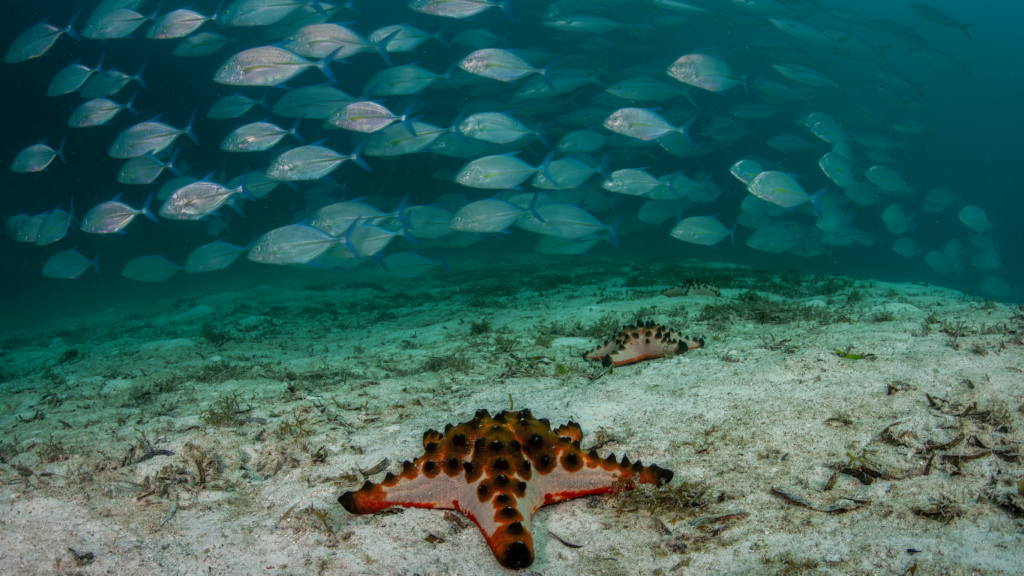
Sipadan diving may be the reason you first look towards this corner of Sabah. The sharks, turtles, schooling fish and dramatic walls have made the island famous around the world. But staying on Mabul reveals something many divers do not expect: Sipadan is only one part of a much bigger underwater story.
From one island base, a trip can move between four very different kinds of diving. Sipadan brings the scale and pelagic energy. Mabul rewards patient searching and a love of strange small creatures. Kapalai combines macro life with reefs and artificial structures full of activity. Si Amil brings a wilder mixture of rare critters, coral scenery and possible encounters with rays in the blue.
This variety is what makes a Sipadan diving trip feel complete. You do not need to choose between big encounters and tiny discoveries. You can experience both, often on consecutive days.
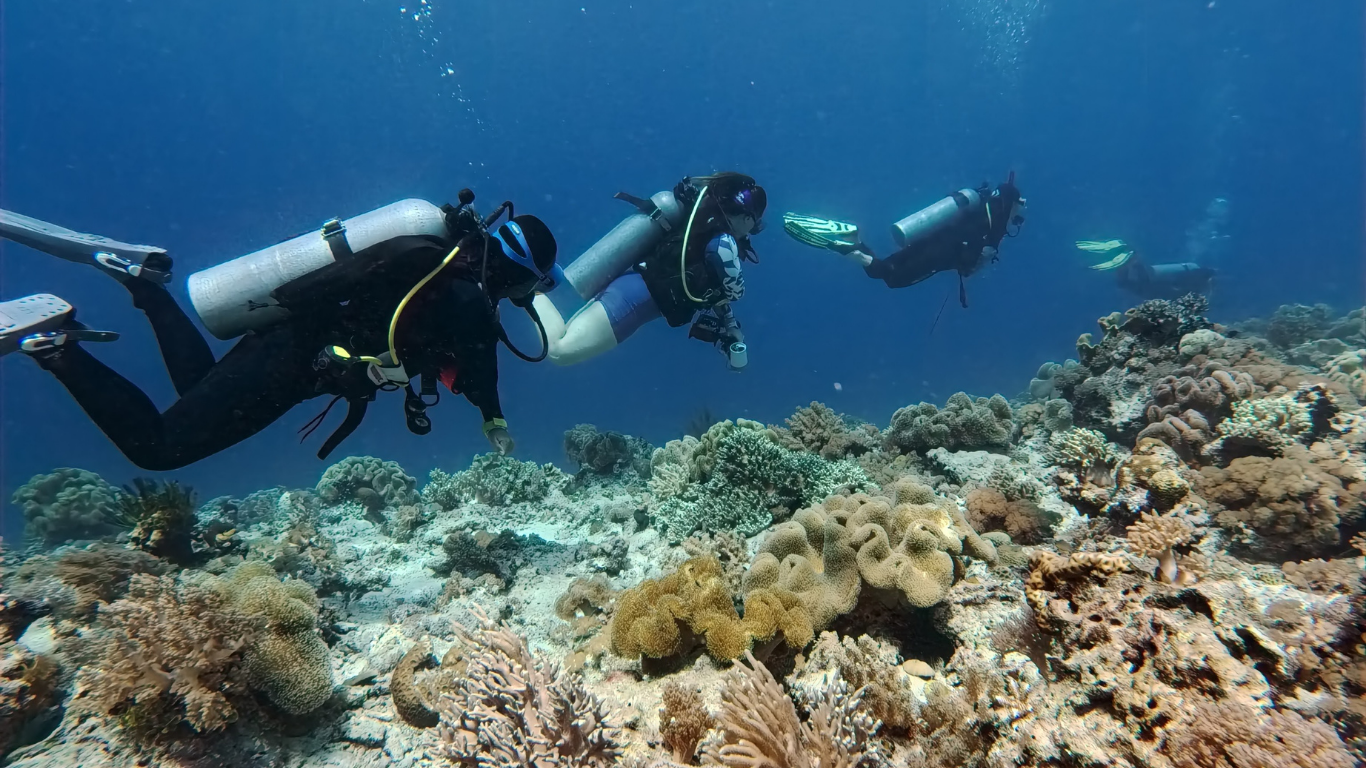
Sipadan rises from deep water, and that geography shapes the experience from the moment you descend. Coral walls drop hundreds of metres, turtles move along the reef and sharks cruise through the blue. Schools of barracuda and jackfish can turn an ordinary-looking patch of water into one of the most memorable scenes of a diver’s life.
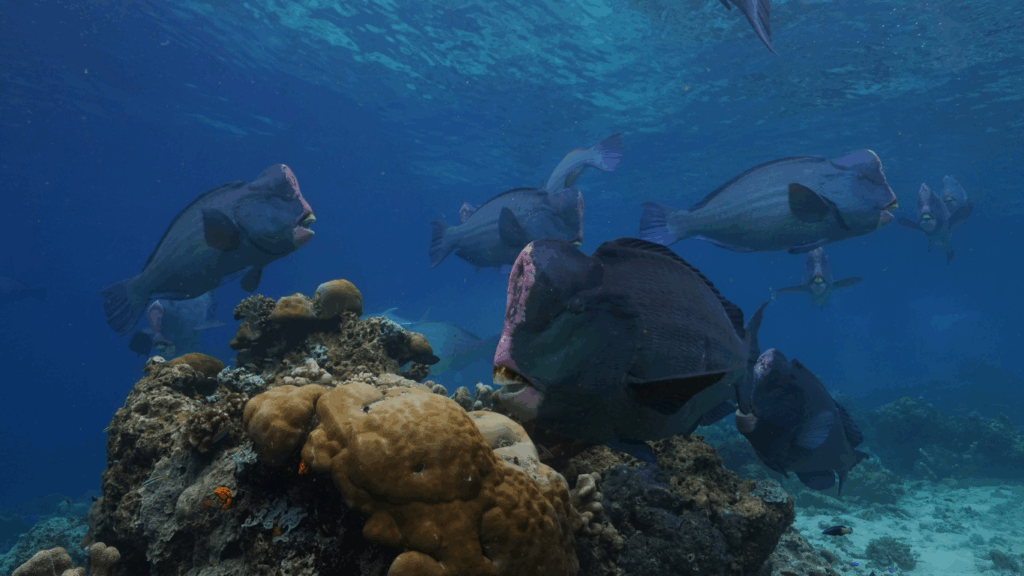
The island deserves its reputation, but good Sipadan diving is not about racing from one famous animal to the next. The scale of the reef, the density of life and the feeling of being beside an oceanic island are just as important as any individual sighting.
Because Sipadan is protected, access is managed through a permit system. Divers staying with Scuba Junkie travel from Mabul by boat, register on arrival and complete their planned dives under the guidance of the dive team. The exact sites and conditions change, which means no two days feel identical.
Sipadan is extraordinary. It is also only one of the underwater environments within reach of Mabul.
After a day of looking into the blue, Mabul changes the pace completely.
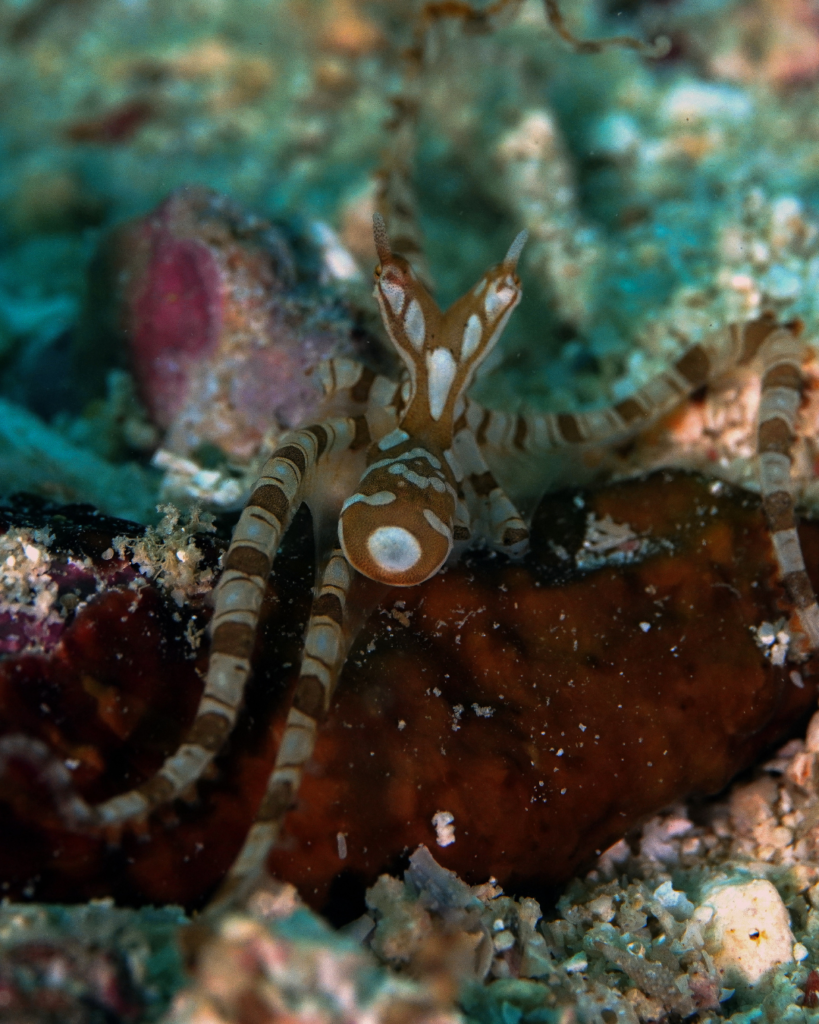
The island has walls, coral slopes, artificial reefs, sandy areas and muck-diving sites, many only a few minutes from Mabul Beach Resort. Turtles and schooling fish are common, but Mabul is especially famous for its macro life.
This is where a dive can become a treasure hunt. Frogfish disappear against sponges. Ghost pipefish hide among crinoids. Nudibranchs bring impossible colours to small pieces of reef, while octopus, bobtail squid and flamboyant cuttlefish reward divers who are willing to slow down.
At first, new macro divers often swim past everything. Then a guide points out one perfectly camouflaged animal and the reef begins to look different. A patch of sand is no longer empty. A piece of algae may move. A sponge may have eyes.
Mabul adds something important to a Sipadan diving holiday: contrast. The sense of wonder does not depend on the size of the animal. Sometimes the most discussed sighting at dinner is a creature that could sit comfortably on a fingernail.
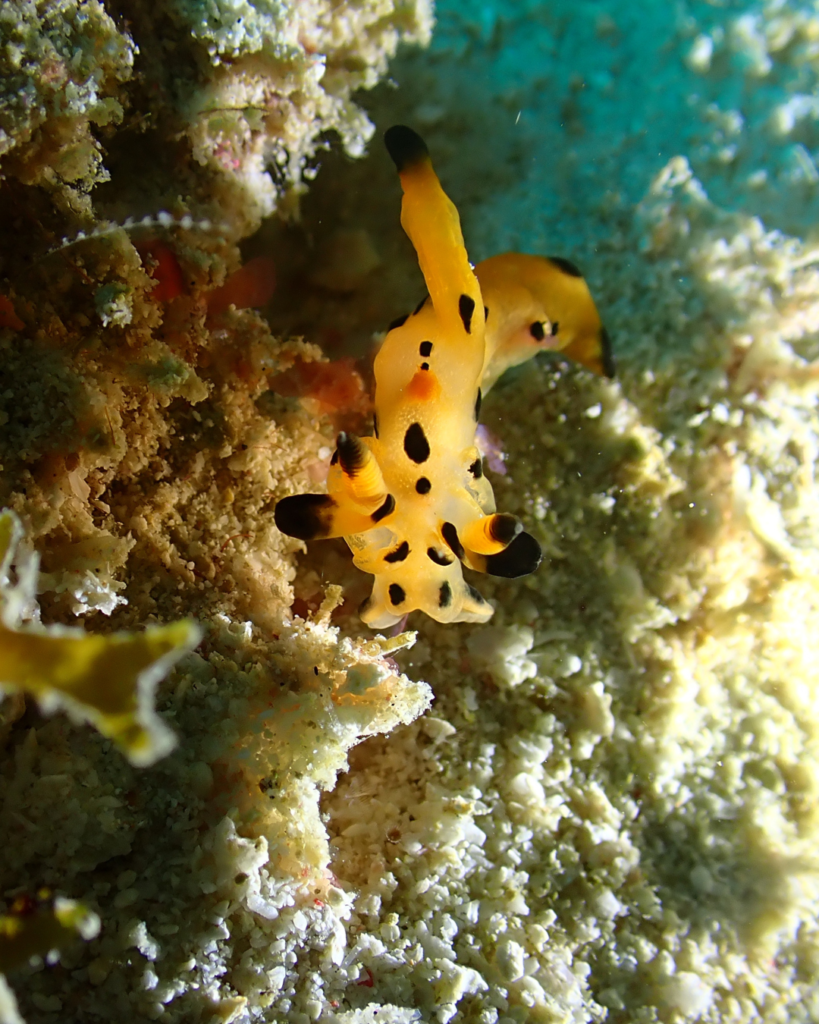
Kapalai is often called an island, but it is actually a sandbar with a resort built above the water. Beneath it, natural reef and artificial structures have created habitat for a remarkable range of marine life.
Blue-ringed octopus, mimic octopus, ghost pipefish, frogfish, flamboyant cuttlefish, pygmy seahorses and colourful nudibranchs are among the animals divers hope to find. Larger groupers, stingrays, schooling jackfish and barracuda can also appear around the structures and reef.
The topography makes the diving varied. Some sites move between sloping reef, sand and artificial structures. Others bring coral gardens, channels or deeper drop-offs into the plan. Even while searching for macro life, it is worth looking up occasionally. Eagle rays and other unexpected visitors do not always wait for the photographer to change lenses.
Kapalai complements Mabul without simply repeating it. Both are known for small creatures, but the setting, structures and dive-site character give each area its own personality.
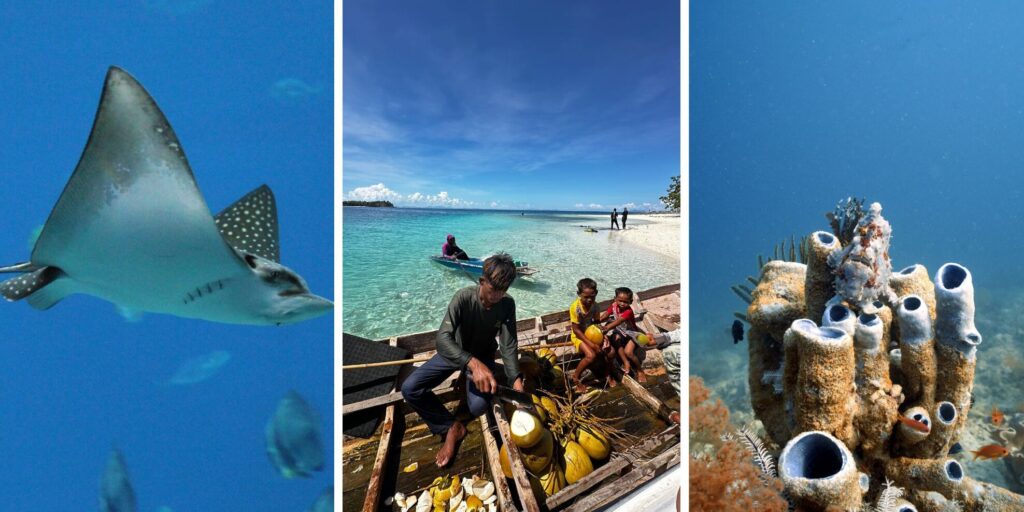
Around 45 minutes from Mabul, Si Amil refuses to fit neatly into a single category.
Its dive sites include coral slopes, walls, sandy areas and muck-diving terrain. Rare macro encounters can include Rhinopias, Ambon scorpionfish, blue-ringed octopus, seamoths, ghost pipefish and unusual frogfish. On a different part of the same day, divers may look into the blue for eagle rays or schooling devil rays visiting cleaning areas.
Nothing underwater is guaranteed, and Si Amil keeps that sense of possibility very alive. One dive may be spent inspecting rubble for a wonderfully strange critter. The next may involve leaving the reef for a moment to see what is moving offshore.
That combination makes Si Amil especially valuable in November, when Sipadan National Park closes for its annual month without recreational visitors. Scuba Junkie continues to offer diving around Si Amil, Mabul, Kapalai and the Sipadan Barrier Reef during the closure.
November does not become a month without diving. It becomes a chance to give another part of the region the attention it deserves.
A destination can be spectacular and still feel repetitive if every dive asks you to do the same thing. This region avoids that problem.
Sipadan diving encourages awareness of the blue, the group and the larger movement of marine life. Mabul and Kapalai invite slower observation and precise buoyancy around delicate habitat. Si Amil may ask for both approaches in one day.
That range is good for photographers, who can move between wide-angle and macro subjects. It is also good for divers who are still discovering what they enjoy most. Someone may arrive convinced they only care about sharks and leave obsessed with frogfish. Another diver may spend several days photographing tiny creatures, then look up to find an eagle ray passing overhead.
The different environments also make longer stays more rewarding. Conditions change, animals move and the dive team can choose from many sites rather than repeating one fixed route.
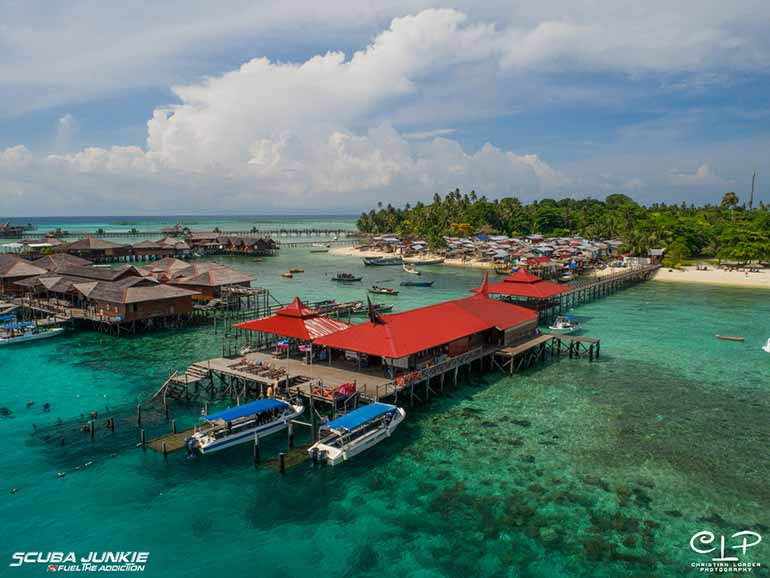
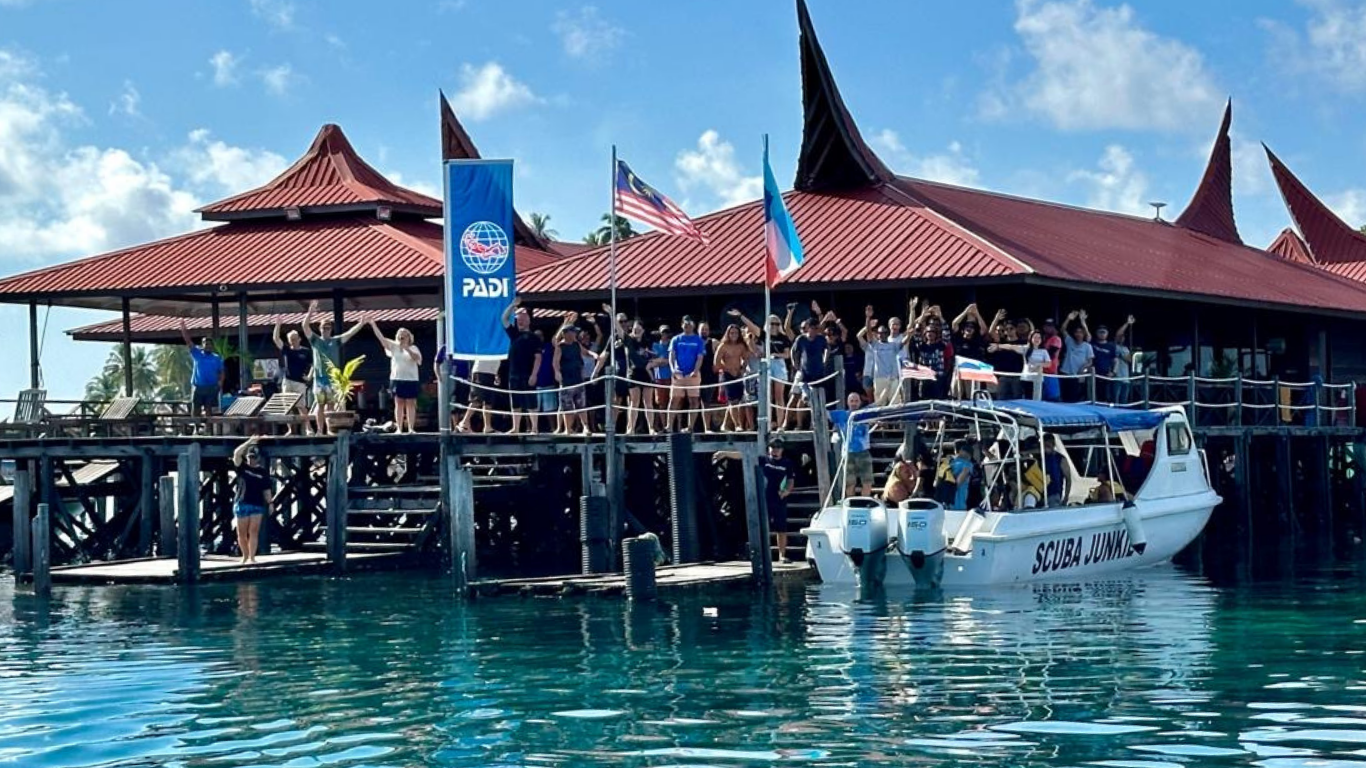
Staying on Mabul keeps the experience connected. The resort, restaurant, dive centre, jetty and house reef sit together beside the water. Many local dive sites are only minutes away, which leaves more time for diving and less time commuting.
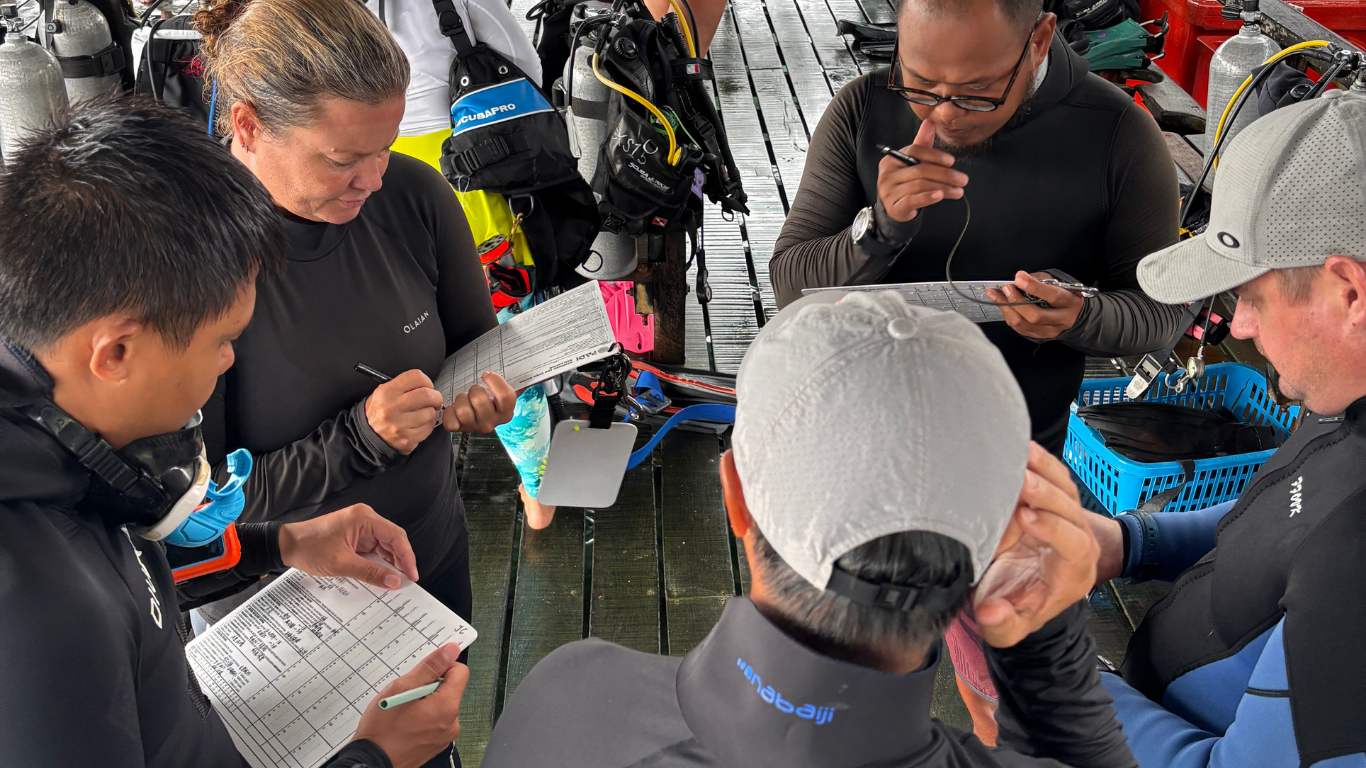
Between dive days, guests begin to recognise the rhythm of the island. Breakfast leads to the jetty. Surface intervals become time for comparing sightings. Equipment dries while the sun goes down, and dinner conversations return to the creature nobody could identify underwater.
This matters because a strong dive holiday is not only a list of sites. It is also the feeling of settling into a place, getting to know the team and sharing the experience with people who become familiar after a few days.
Sipadan may be the headline. Mabul is where the full trip finds its home.
The best package depends on your travel dates, certification, experience and what you most want from the trip.
If Sipadan diving is your priority, ask how the permit system and package inclusions work for your chosen dates. If you love macro photography, allow enough days for Mabul and Kapalai rather than treating them as a quick extra. If you are visiting in November, look at the Si Amil and non-Sipadan packages designed specifically for the annual closure period.
It is also worth telling the booking team what makes you happiest underwater. “I want sharks” is useful. So is “I could spend an hour photographing one nudibranch.” A little information helps the team recommend a trip that matches you instead of a generic idea of what every diver should want.
No. Depending on the package and operational plan, guests may dive around Sipadan, Mabul, Kapalai, Si Amil and other nearby areas. The variety is an important part of the destination.
Scuba Junkie guests stay at Mabul Beach Resort. Visitors do not stay overnight on Sipadan. Mabul acts as the resort base for the diving programme.
Mabul is widely known for macro diving and unusual small marine life, including frogfish, ghost pipefish, nudibranchs, octopus and cuttlefish. It also has turtles, schooling fish, walls, artificial reefs and a house reef.
Yes. Kapalai is known for macro subjects such as frogfish, octopus, ghost pipefish, pygmy seahorses and nudibranchs. Its reefs and artificial structures also attract larger animals and schooling fish.
Yes. During the November closure, Scuba Junkie offers packages with diving around Si Amil, Mabul, Kapalai and the Sipadan Barrier Reef. Sipadan Barrier Reef is not the same as Sipadan National Park.
Si Amil combines coral reefs, walls and macro sites. Possible sightings include frogfish, ghost pipefish, unusual scorpionfish, octopus, turtles, eagle rays and schooling devil rays. Wildlife encounters are never guaranteed.
Sipadan deserves a place on the dream list. But the most rewarding version of the trip leaves room for the places around it too.
Come for the walls, sharks and schooling fish. Stay curious for the frogfish, octopus, coral gardens, rays and island rhythm you did not know would become part of the story.
To plan your Sipadan diving trip, contact sipadan@scubajunkie.com or WhatsApp +60 19-640 0116.