We provide daily dive trips and dive courses around Mabul, Sipadan and Semporna area.
Looking for tips and tricks about diving, marine life or what to do in Borneo? Follow us on our blog for weekly updates from the team!






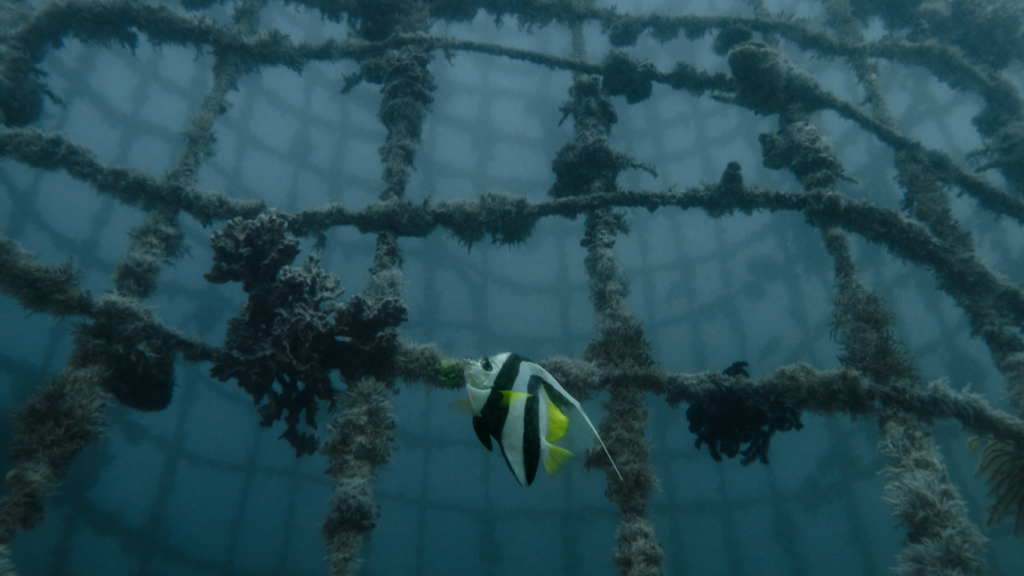
The Sipadan closure begins every November, when diving and snorkeling pause around Sipadan Island for one full month. For divers who have travelled a long way to Sabah, the idea of a famous destination closing can initially sound disappointing. But this quiet month is not an interruption to Sipadan’s story. It is part of how that story is protected.
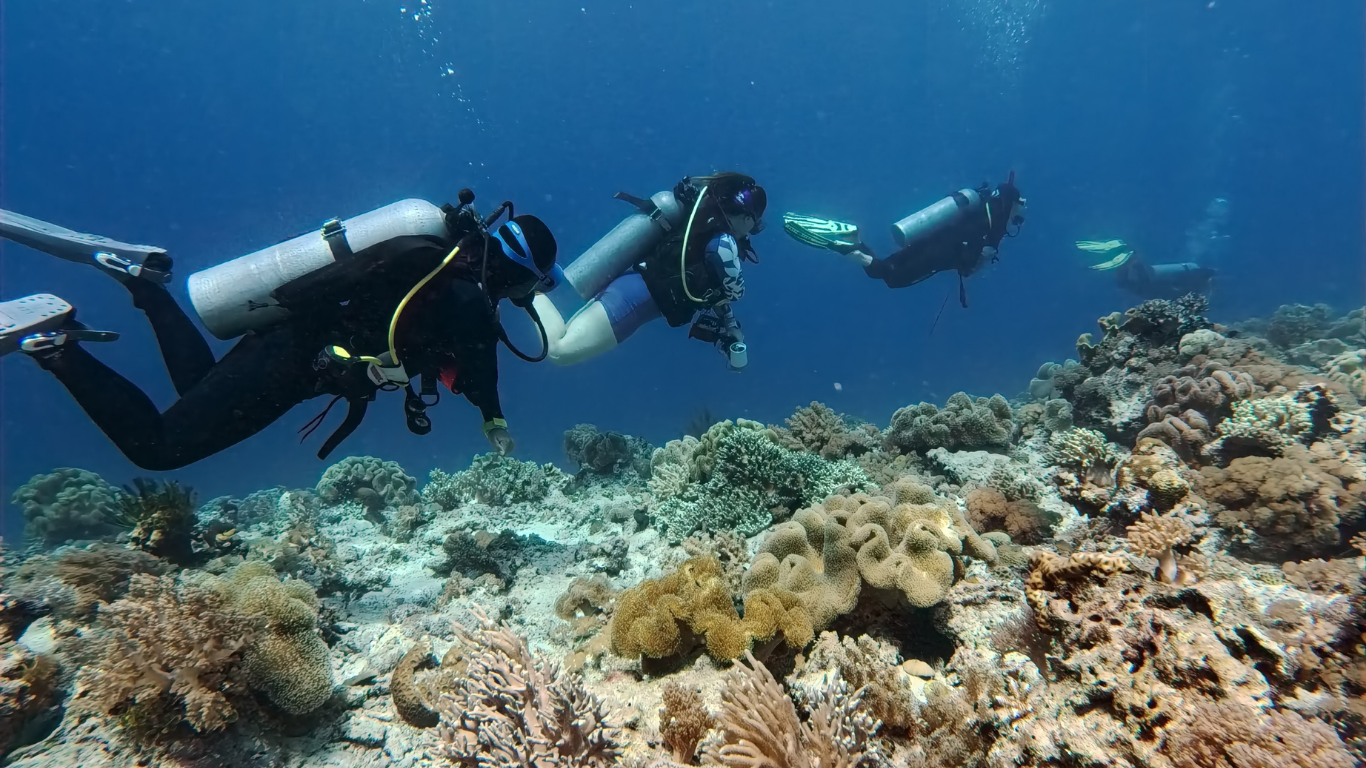
For the rest of the year, boats arrive each morning carrying people who have dreamed about this island for years. Divers descend beside walls covered in coral, watch turtles pass through the blue and hope to meet the schools of fish and reef sharks that made Sipadan famous. In November, that daily rhythm stops.
The reef does not become empty. It simply continues without us.
Sipadan is protected through a combination of rules, including controlled access, daily permits and an annual November closure. The purpose of the Sipadan closure is to give the island and surrounding marine environment a regular break from visitor activity.
A month is not a magical reset button for an ecosystem, and conservation is never that simple. Coral reefs are shaped by water temperature, storms, pollution, fishing pressure, climate change and many other factors that extend far beyond the presence of divers.
But human activity still has an impact. Boats arrive and depart, people enter and leave the water, and even careful divers add movement to an already busy environment. Removing that daily activity for a full month creates a deliberate pause.
The value of the Sipadan closure is also in what it represents: access to an extraordinary place should never be treated as unlimited or automatic.

Sipadan often appears in photographs as a wall, a school of barracuda or a turtle moving effortlessly through blue water. It is easy to think of it only as a bucket-list dive site.
In reality, it is a living island and marine ecosystem. Its importance does not begin when the first dive boat arrives, and it does not end when the last diver climbs back onboard.
The annual Sipadan closure asks visitors and operators to accept a simple idea: sometimes the most responsible way to experience a place is to step away from it.
This does not mean diving is automatically harmful. Responsible diving can build appreciation, support local livelihoods and give people a reason to care deeply about marine protection. The goal is not to separate people from the ocean forever. It is to manage access so that tourism does not assume it always comes first.
There is no audience underwater in November.
Turtles still move between resting places. Reef sharks continue their familiar routes. Schools of fish respond to predators, light and water movement rather than the sound of approaching boats. Coral polyps feed, currents carry nutrients and the reef follows rhythms that existed long before diving tourism.
We should be careful not to promise dramatic changes after only one month. The importance of the Sipadan closure is not measured by expecting every coral to grow visibly or every animal to behave differently by December.
Its importance lies in consistency. The pause happens again each year, becoming part of a wider approach to protecting a place that receives intense interest during the other eleven months.
No. The Sipadan closure applies to Sipadan National Park, but Scuba Junkie’s diving operation continues from Mabul.
November shifts the focus towards Mabul, Kapalai and Si Amil. These locations do not feel like substitutes for one famous island. Each has its own underwater character.
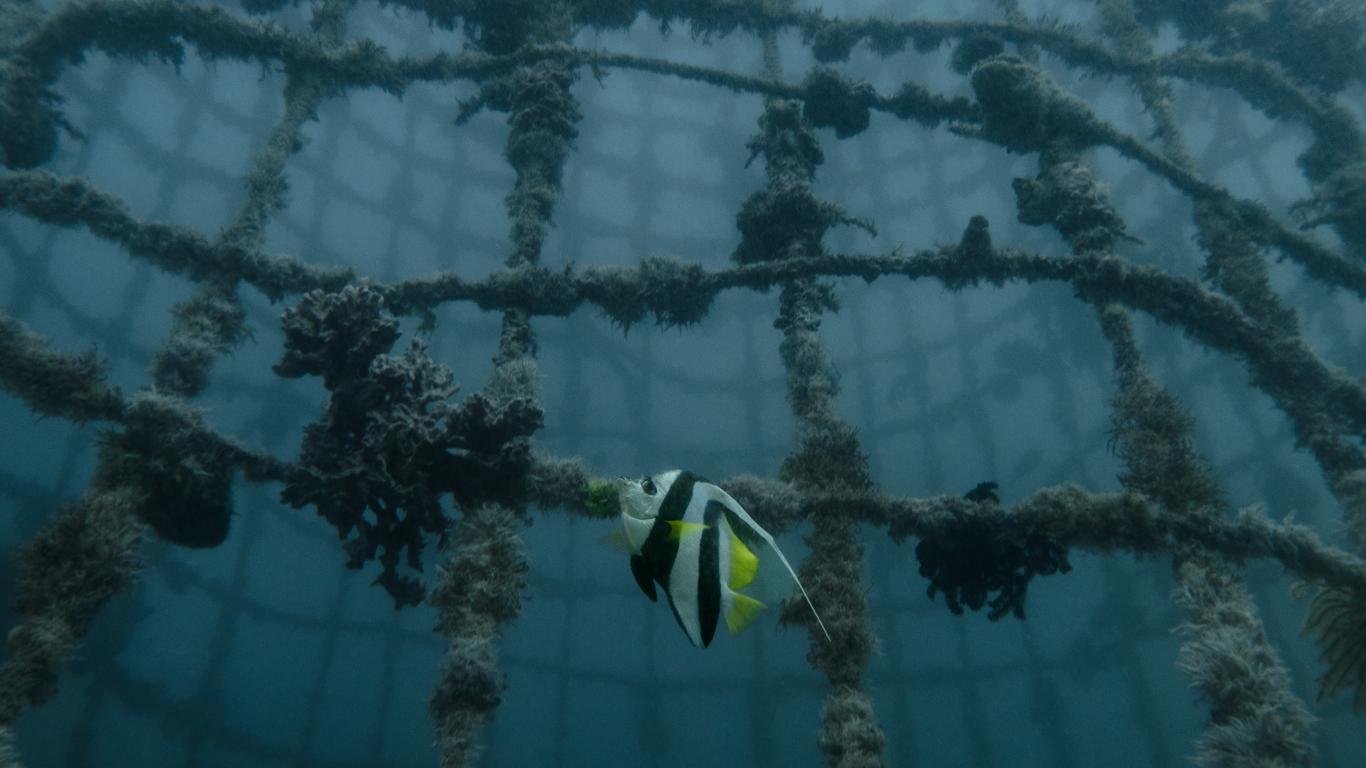
Mabul is known for macro life, sandy slopes, artificial structures and coral reefs. Frogfish, ghost pipefish, octopus, cuttlefish, nudibranchs and tiny crustaceans can turn a slow dive into a treasure hunt.
Kapalai combines reef, sand and structures that attract a similarly fascinating mix of marine life.
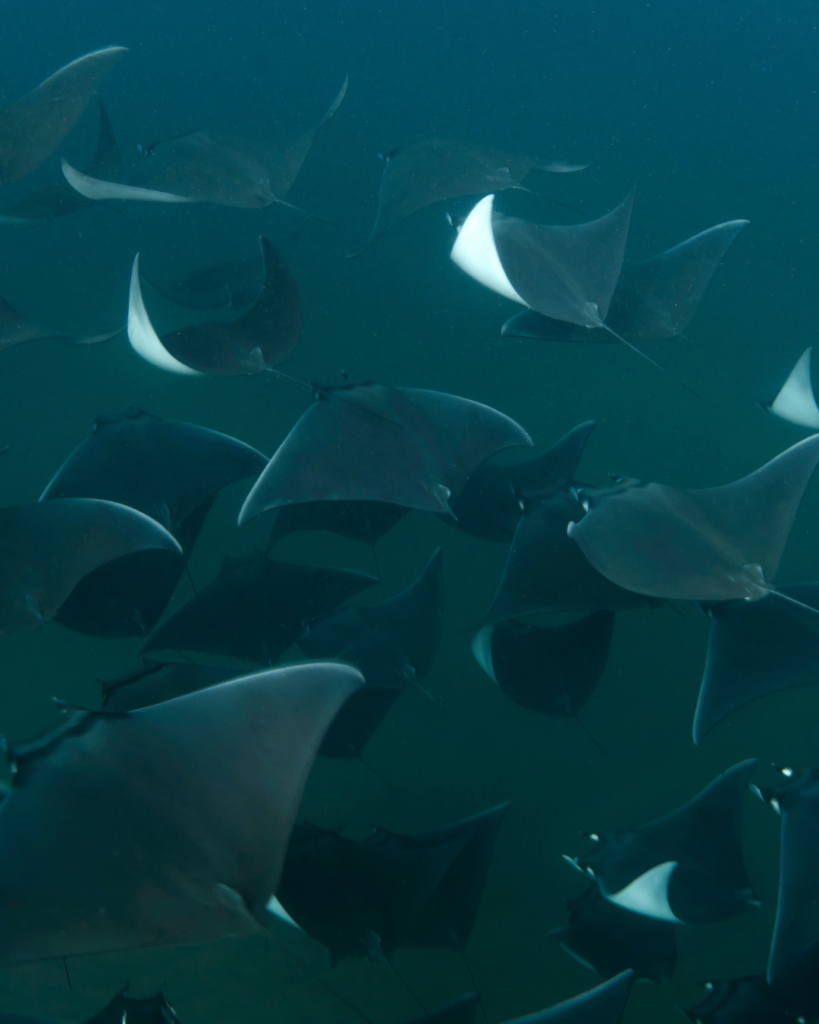
Si Amil offers another side of Sabah diving. Its reefs and walls can bring together macro subjects, turtles and larger encounters. Eagle rays may glide past the reef, while groups of devil rays can occasionally appear in the blue. These moments are never guaranteed, but they are part of what makes a day at Si Amil feel so exciting.
November is therefore not a month of waiting for Sipadan to reopen. It is a chance to slow down around Mabul and Kapalai, then head farther out to Si Amil and see what the day brings.
Sipadan may be the name that first brings people to this part of Sabah, but it is not the only reason they remember the trip.
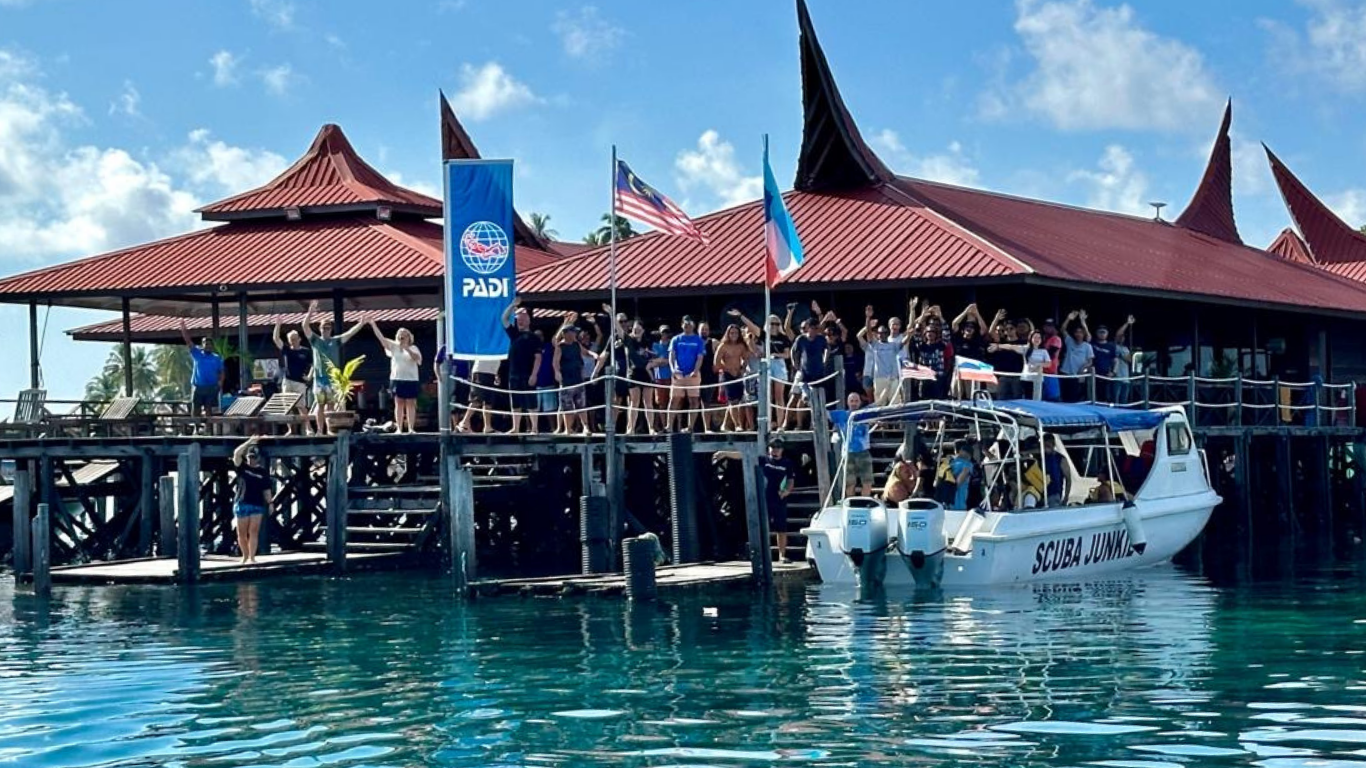
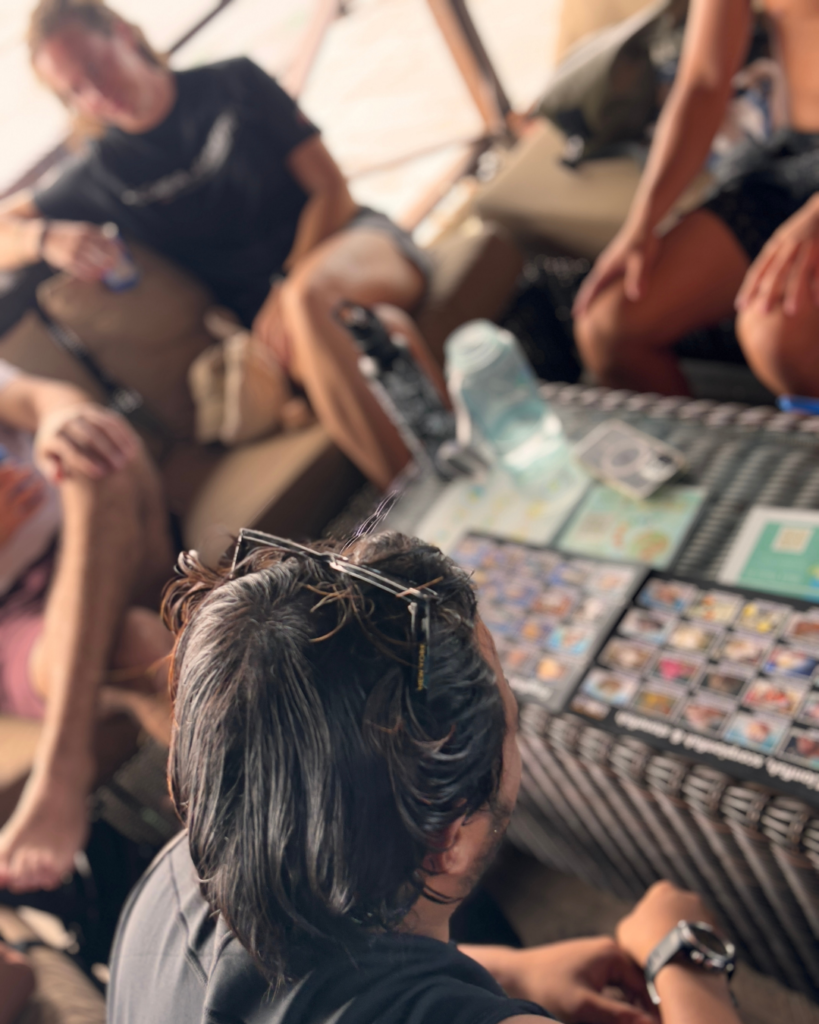
Guests stay on Mabul, where the dive centre, resort, jetty and conservation team are part of daily island life. They meet guides who can find a nearly invisible animal on a sandy slope, share meals with people from around the world and discover that a memorable dive does not always need a huge school of fish.
The Sipadan closure gives the surrounding destination space to step forward. It reminds us that the experience has always been larger than a single permit or island.
One quiet month is valuable, but it cannot protect an ecosystem on its own.
Conservation requires work throughout the year. On Mabul, Scuba Junkie SEAS is involved in turtle conservation, coral restoration, marine-debris removal, research and environmental education. Guests may see parts of that work during their stay, but much of it continues quietly behind the scenes.
The Sipadan closure fits into this larger picture. It is one measure within a much broader responsibility shared by authorities, operators, local communities and visitors.
Divers contribute through the choices they make too: maintaining good buoyancy, keeping equipment away from the reef, never touching or chasing marine life, reducing unnecessary waste and choosing operators that treat conservation as everyday work rather than occasional marketing.
When December arrives, Sipadan opens again under the rules and permit system in place at the time.
The first returning dives should not be framed as people reclaiming something that was taken away. They are a return to a protected place after a planned pause, and they should carry the same respect that justified the closure in the first place.
The Sipadan closure does not make November a lost month. It gives the destination a different rhythm and gives divers an opportunity to understand that protection sometimes looks like absence.
Sipadan rests. The surrounding reefs continue. And the responsibility to care for all of them remains every month of the year.
No. Sipadan National Park closes every November, with no diving or snorkeling around the island during the closure.
Yes. Scuba Junkie continues operating dive packages around Mabul, Kapalai, and Si Amil. The final schedule always depends on operational planning and conditions.
The closure should not be interpreted as a simple statement that the reef is damaged. It is a proactive management measure that gives the area a regular break from visitor activity.
Sipadan normally reopens in December after the annual November closure. Access remains subject to the current permit rules and official decisions.
Yes, especially for divers interested in macro life, night diving, Si Amil and exploring a wider range of Sabah dive sites. November offers a different experience rather than an incomplete one.
If you would like to explore Mabul, Kapalai, and Si Amil while Sipadan rests, contact our booking team for current November packages and availability.
📧 sipadan@scubajunkie.com
📱 WhatsApp: +60 19-640 0116