We provide daily dive trips and dive courses around Mabul, Sipadan and Semporna area.
Looking for tips and tricks about diving, marine life or what to do in Borneo? Follow us on our blog for weekly updates from the team!





Responsible diving begins with understanding that our presence underwater is never completely invisible. Every November, Sipadan closes for one month and the usual rhythm of boats, briefings, entries and exits comes to a stop. The reef continues without an audience, reminding us that the places we love do not exist only for our experience.
The annual closure is important, but its greatest lesson may not be what happens while divers are absent. It may be what changes in the way we think when we return.
A month without visitors gives Sipadan a regular pause from daily tourism. It also gives the diving community time to consider a bigger question: what does responsible diving look like during the other eleven months?
When the final October dive boat leaves Sipadan, the underwater world does not become inactive.
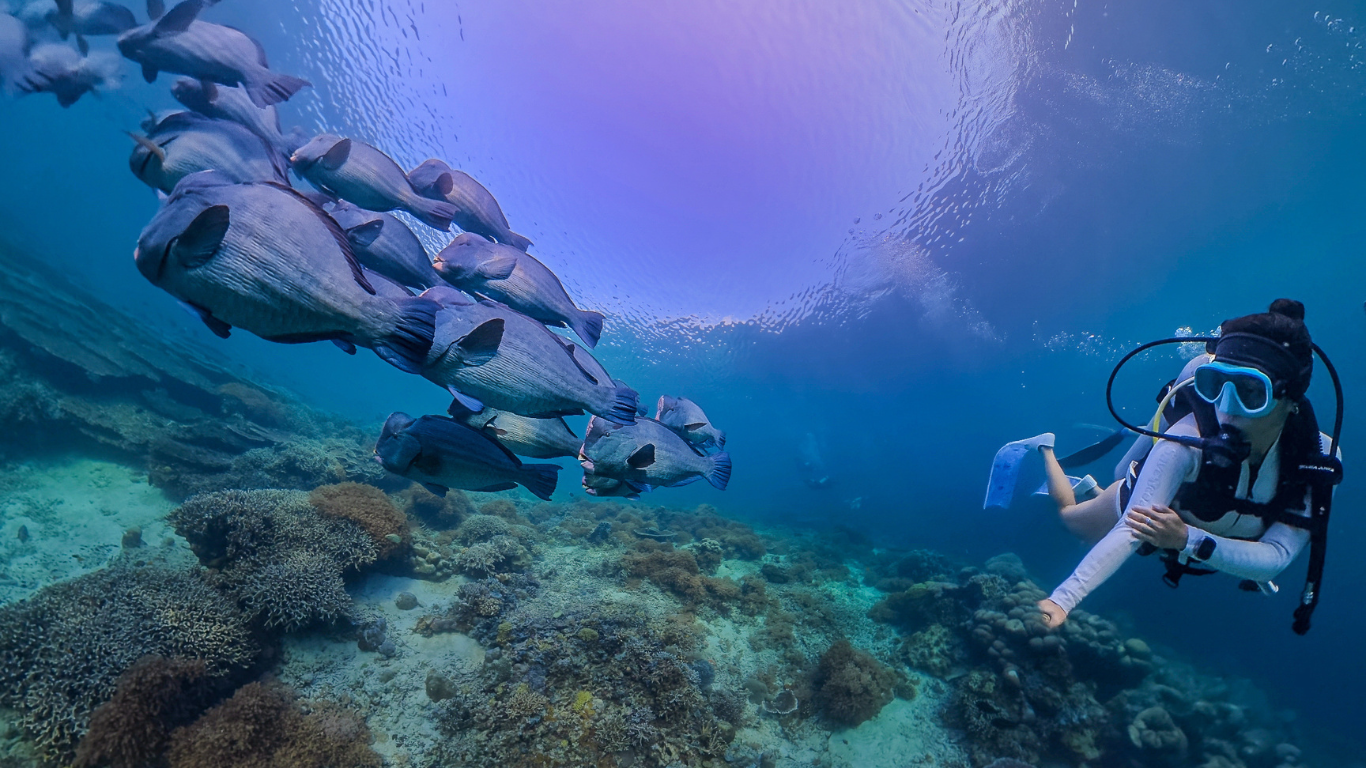
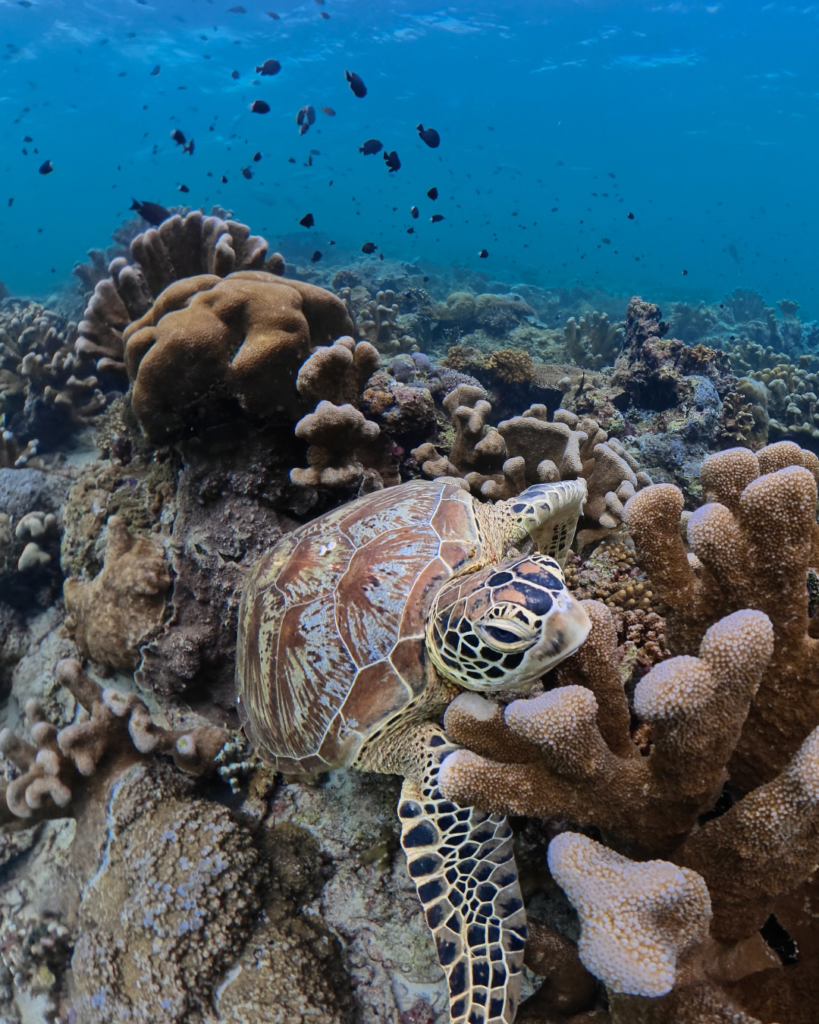
Turtles continue moving between feeding and resting areas. Reef sharks follow familiar routes. Schools of fish respond to predators, water movement and light. Coral polyps feed, currents carry nutrients and the reef continues according to rhythms that existed long before recreational diving.
That may sound obvious, but it is easy to forget when a destination becomes famous. We begin to experience the reef through our own milestones: the first shark, the photograph we hoped for, the school of barracuda we crossed the world to see.
The November closure shifts the perspective. For one month, the reef is not a bucket-list destination, a photograph or a story waiting to be posted. It is simply an ecosystem continuing without us.
Responsible diving starts with respecting that independence.
Sipadan is protected through controlled access and rules that have developed over time. Daily permits are limited. Training dives are not allowed. Divers need an appropriate certification level, and the island closes completely every November.
These rules can sometimes feel restrictive when people are planning a long-awaited trip. Yet restrictions are also evidence that access is being managed rather than assumed.
No diver is entitled to enter every site, stay for as long as they want or approach every animal as closely as possible. A protected destination needs boundaries, even when those boundaries are inconvenient.
This is one of the clearest lessons the closure offers. Responsible diving is not only about how we behave after entering the water. It also means accepting the limits designed to protect the place before we arrive.
Most divers do not enter the water intending to cause damage.
One fin kick can feel insignificant. One hand placed briefly on the reef can seem harmless. One animal followed for a photograph may appear unaffected. One piece of unsecured equipment brushing the bottom may not leave an obvious mark.
The challenge is accumulation.
Popular dive sites receive many visitors. Small actions repeated across different groups, boats and days can become a much larger pressure than any individual diver sees.
This is why good buoyancy, careful positioning and awareness matter so much. A diver who stays off the reef, secures loose equipment and gives marine life space is not performing a dramatic act of conservation. They are preventing their visit from becoming part of a cumulative problem.
Responsible diving often looks ordinary. Its value comes from being repeated on every dive.
It would be easy to describe the closure as a month in which the reef completely recovers. Nature is more complicated than that.
Coral reefs are affected by water temperature, storms, pollution, fishing pressure, coastal activity, marine debris and climate change. Removing divers for several weeks cannot solve every challenge facing an ecosystem.
We should therefore be careful about expecting a dramatic before-and-after transformation when Sipadan reopens. A quieter month has value because it reduces daily visitor activity and creates a consistent pause, not because it magically erases every impact.
The closure is one conservation measure within a much larger responsibility. Responsible diving means understanding both its value and its limitations.
Rest helps. Long-term protection still requires rules, monitoring, education, good operational practices and cooperation between authorities, businesses, communities and visitors.
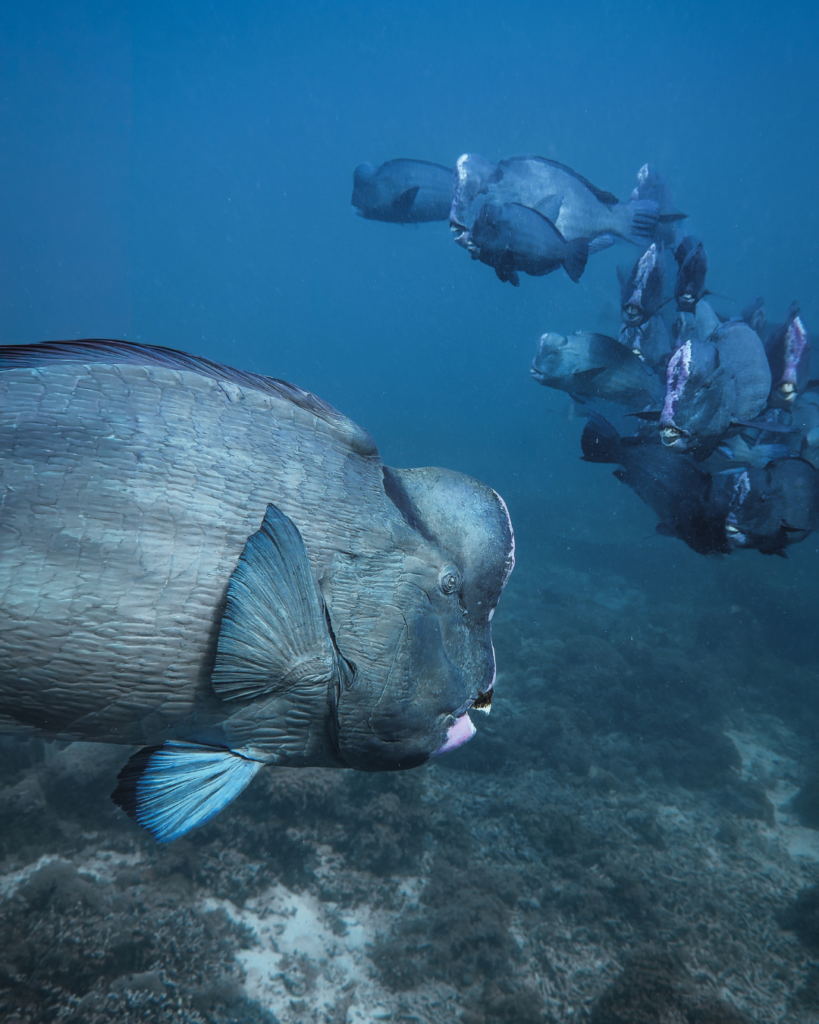
The reef does not need thoughtful behaviour for only one month of the year.
When boats return in December, the responsibility returns with them. Guides still need to brief carefully. Operators still need to manage groups and follow access rules. Divers still need to control their buoyancy, stay aware of their fins and avoid touching or chasing marine life.
Photographers have an additional responsibility. The desire for a clear image should never justify moving an animal, blocking its path, holding onto the reef or crowding a subject until its behaviour changes.
The first dives after the closure should not feel like people reclaiming a place that belongs to them. They are a return to a protected ecosystem that we are temporarily allowed to experience.
That mindset is at the heart of responsible diving.
The most important habits are often the simplest.
A responsible diver checks their weighting and maintains neutral buoyancy instead of using the reef for support. They know where their fins are, especially when swimming close to coral or above a sandy bottom. Gauges, alternate air sources and camera equipment remain secured rather than trailing below the body.
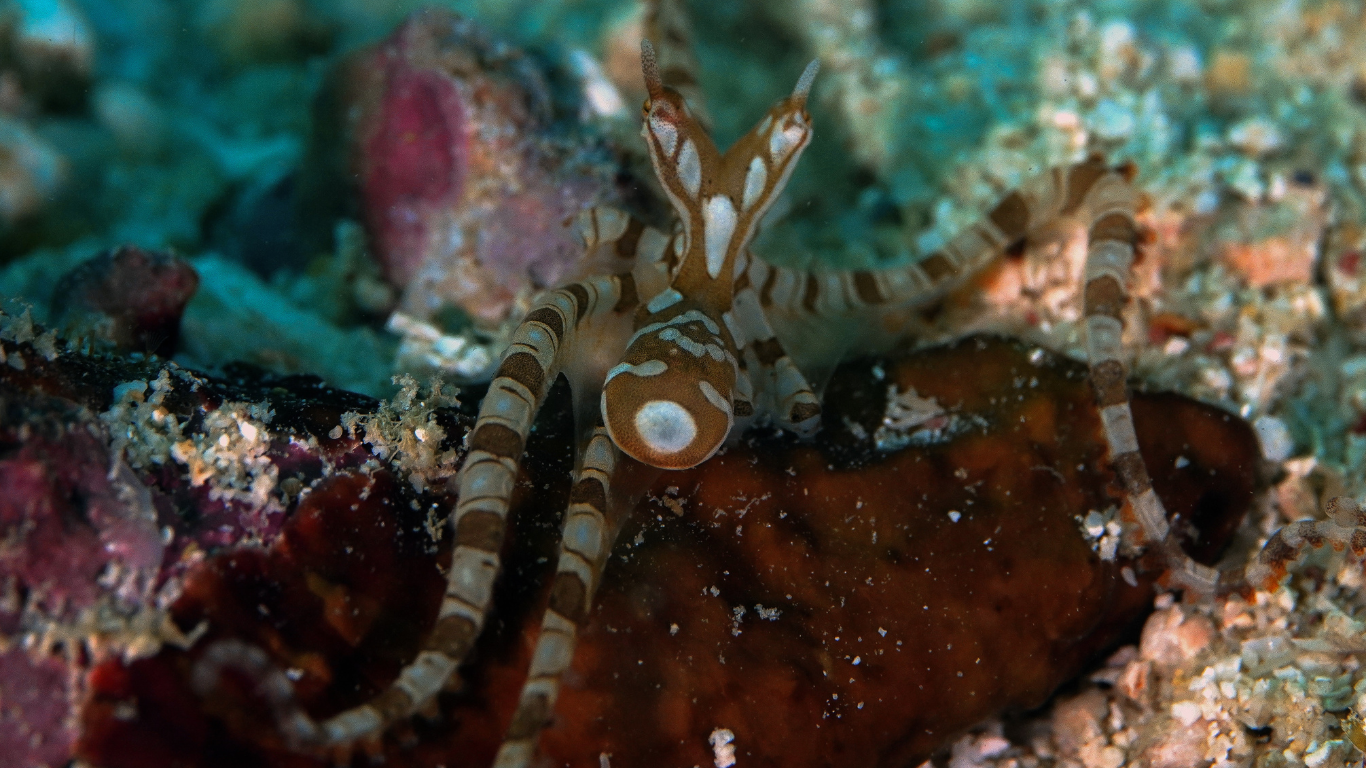
They observe animals without touching, feeding, surrounding or chasing them. If a turtle, shark, octopus or other animal changes direction to escape, the diver gives it space rather than following more aggressively.
They listen to the briefing, stay with the group and communicate honestly about their comfort and experience. If conditions feel beyond their ability on that day, choosing not to enter the water is also a responsible decision.
None of these actions are designed to make diving less exciting. They help protect the behaviour, habitats and encounters that make diving exciting in the first place.
Sipadan’s closure is highly visible because the island is internationally famous. The principle behind it applies everywhere.
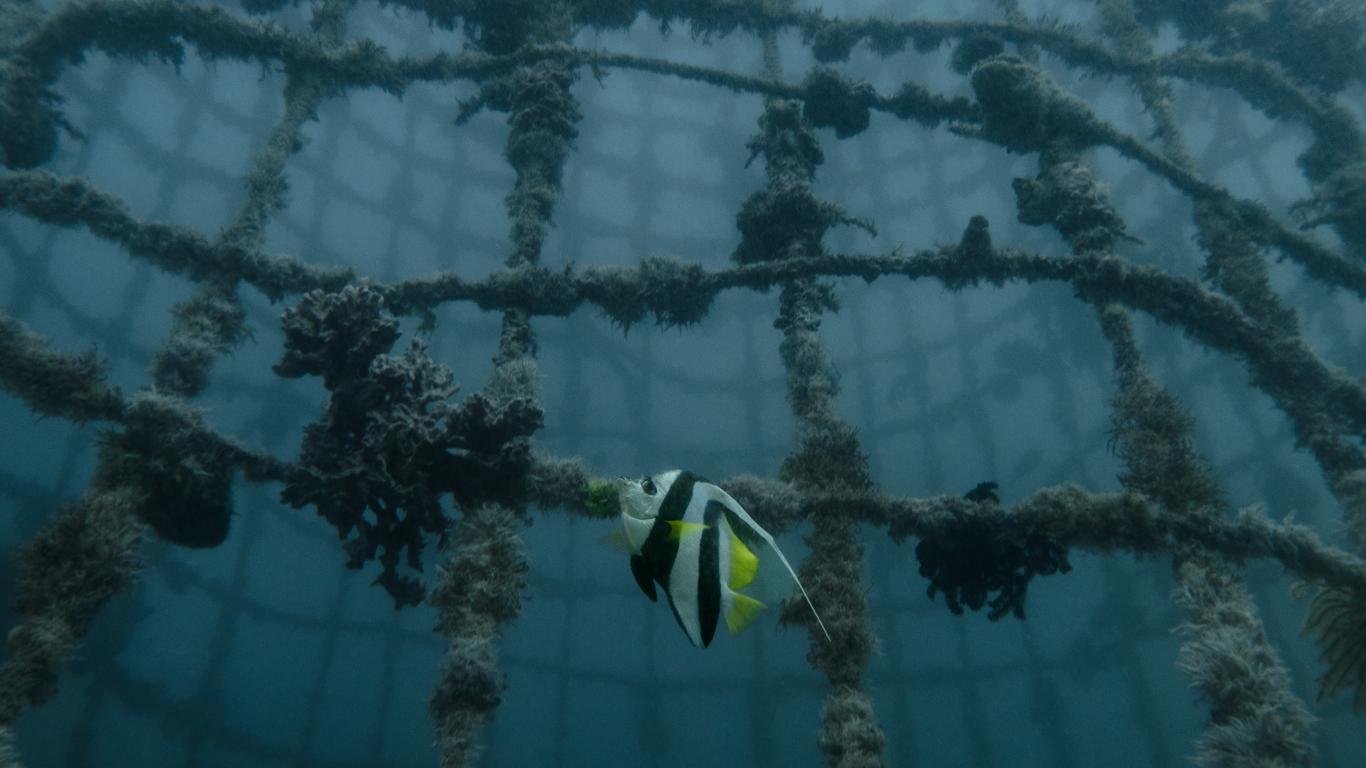
A small house reef near a village deserves careful buoyancy. A sandy macro site should not be treated as empty ground. An artificial structure covered in marine life is still a habitat. A city marine park is not less valuable because it is easy to reach.
Responsible diving should not begin only when we enter a world-famous protected area. The habits we practise on Mabul, Kapalai, Si Amil, Kota Kinabalu or any local dive site are the same habits we carry to Sipadan.
In fact, less famous sites may depend even more heavily on everyday care because they do not always receive the same attention, restrictions or resources.
Every dive is practice for the kind of visitor we choose to become.

Tourism pauses at Sipadan during November, but conservation work does not begin and end with the closure.
Scuba Junkie SEAS is based on Mabul and works throughout the year across turtle conservation, coral restoration, marine-debris removal, shark and turtle monitoring, outreach and environmental education.
Some of this work creates visible moments, such as a beach cleanup or turtle release. Much of it is quieter: recording data, monitoring nests, checking restored coral, sorting debris and returning to the same project repeatedly.
That consistency matters because conservation cannot depend only on moments that photograph well.
Responsible diving and conservation are connected. Divers see what exists underwater today. Conservation teams work to give those habitats and animals a better chance tomorrow.
Guests staying on Mabul can follow Scuba Junkie SEAS, learn about current activities and ask how they can participate or support the work.
Responsibility does not sit only with individual guests.
Dive operators decide how groups are briefed, how guides are supported, how waste is managed and whether conservation is treated as daily practice or occasional marketing. They influence what behaviour is normalised before anyone enters the water.
A good operation should make responsible diving easier. Clear briefings help divers understand the site and expected behaviour. Appropriate group sizes allow guides to supervise effectively. Honest advice helps guests choose dives that match their certification and comfort.
Operators also have a responsibility to speak accurately about wildlife. Encounters should never be guaranteed, and animals should not be chased or manipulated to fulfil a promise made during a sale.
The ocean decides what appears. Our job is to experience it respectfully.
The lessons of the closure should travel farther than Sabah.
Divers can carry reusable items, reduce unnecessary plastic and secure anything that could blow from a boat into the water. They can choose reef-safe products where required, support credible conservation projects and ask operators how environmental practices are implemented.
They can continue improving their buoyancy and encourage buddies without shaming them. They can share marine-life encounters without revealing sensitive locations or promoting harmful behaviour.
Most importantly, they can remember that responsible diving is not an identity we earn once. It is a collection of decisions made again every time we enter the ocean.
When Sipadan reopens in December, divers will once again descend beside its walls, watch turtles move across the reef and look into the blue for sharks and schooling fish.
The excitement should return too. Conservation does not ask us to stop being amazed.
It asks us to let that amazement shape our behaviour.
A month without divers teaches us that the reef can continue without our presence. The real test begins when our presence returns.
If we come back with better awareness, stronger buoyancy, more patience and a willingness to accept limits, the November pause has taught us something valuable.
That is what responsible diving should look like: not simply leaving the ocean untouched for one month, but treating it with care every month we are allowed to enter.
Responsible diving means minimising your impact on the underwater environment. It includes maintaining good buoyancy, avoiding contact with the reef, securing equipment, giving animals space, following site rules and listening to the dive briefing.
Sipadan closes every November to give the island and surrounding marine environment a regular pause from visitor activity. It is one part of the wider management and protection of the destination.
No. Coral reefs face many pressures, and one month cannot solve them all. The closure creates a valuable, consistent break from daily tourism, but long-term protection requires action throughout the year.
Yes. Diving continues around Mabul, Kapalai and Si Amil while Sipadan is closed. The final schedule depends on conditions and operational planning.
Photographers should establish good buoyancy before concentrating on the camera, avoid touching the reef, give other divers space and stop photographing an animal if it shows signs of stress or tries to move away.
Guests can follow Scuba Junkie SEAS, ask about current activities, join available cleanups or educational events and support its year-round conservation work.
Sipadan’s quiet month ends, but the lesson should not.
When you return to the water, take the awareness with you. Slow down, control your position, respect the animals and remember that entering the ocean is always a privilege.
To learn more about diving responsibly with Scuba Junkie or planning a future trip, contact our team.
📧 sipadan@scubajunkie.com
📱 WhatsApp: +60 19-640 0116