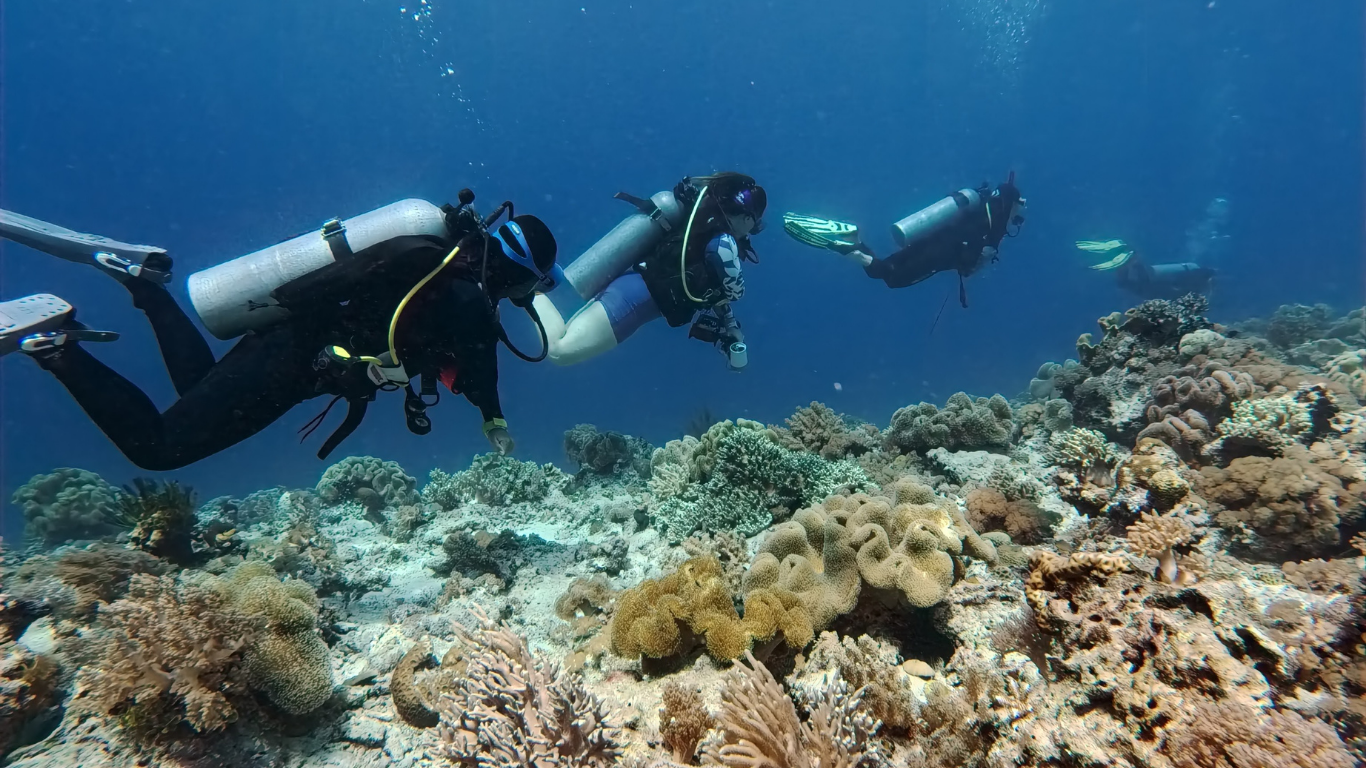
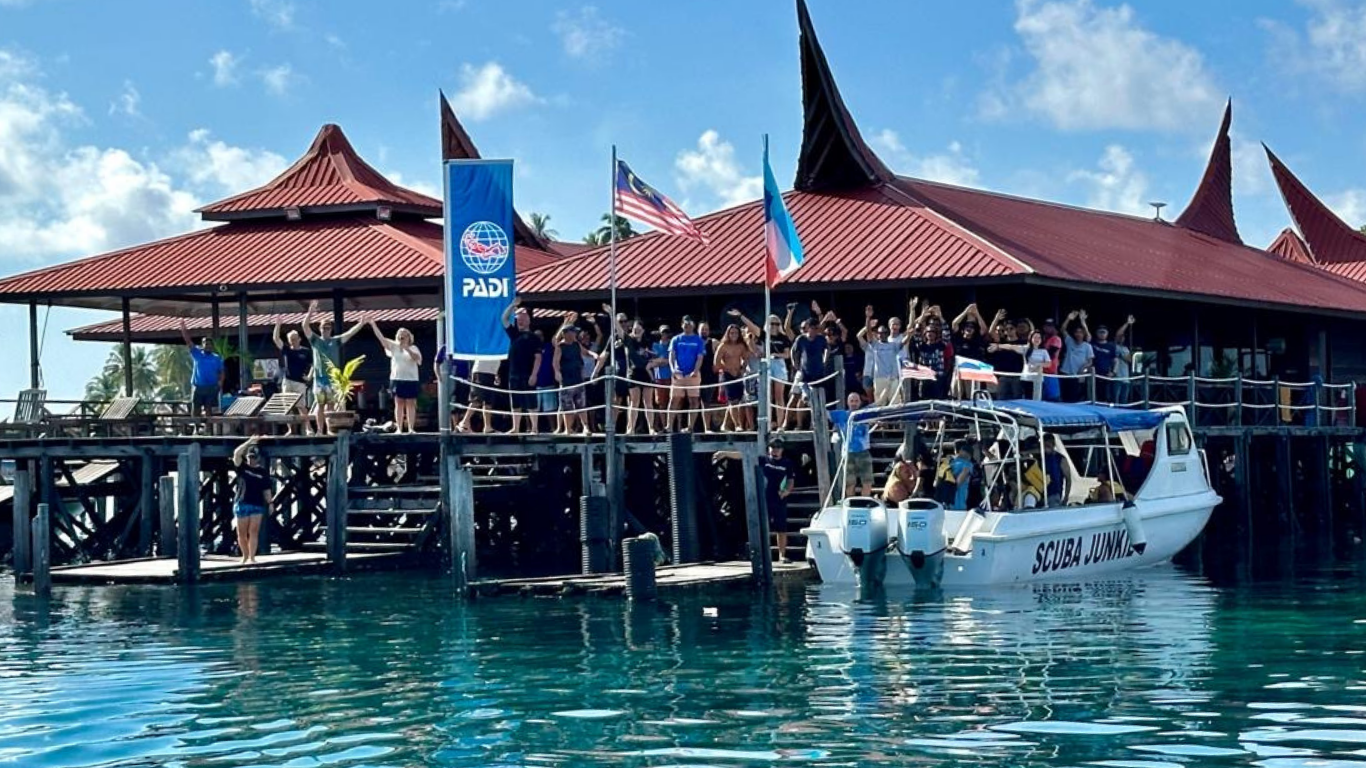
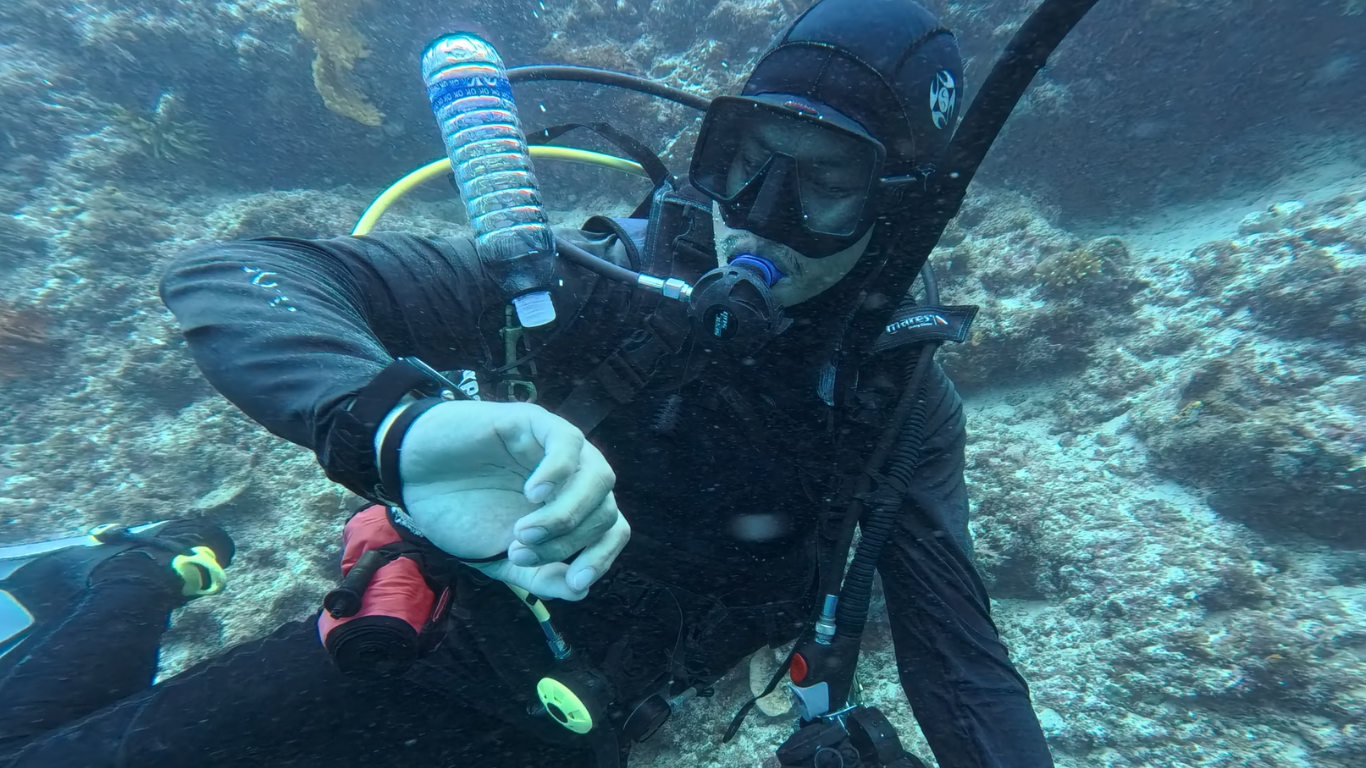
We provide daily dive trips and dive courses around Mabul, Sipadan and Semporna area.
Looking for tips and tricks about diving, marine life or what to do in Borneo? Follow us on our blog for weekly updates from the team!




A new chapter is waiting for you – PADI IDC Staff Instructor
Becoming a PADI Open Water Scuba Instructor is a milestone that many divers dream about. It’s the certification that opens doors to a career travelling the world, teaching people to dive, and introducing new students to the underwater world every day.
For many instructors, it’s the goal they’ve been working towards since their Divemaster training.
But after a few years of teaching Open Water courses, guiding Discover Scuba Diving experiences, and certifying dozens, or even hundreds, of new divers, something starts to happen.
The butterflies from your first certification fade. Your confidence grows. Your teaching becomes second nature.
Then, almost without noticing, you begin asking yourself a new question.
Many instructors think the only answer is becoming a Dive Centre Manager or moving into a different role within the industry. In reality, the professional pathway continues much further.
One of the most rewarding and often overlooked steps is becoming a PADI IDC Staff Instructor.
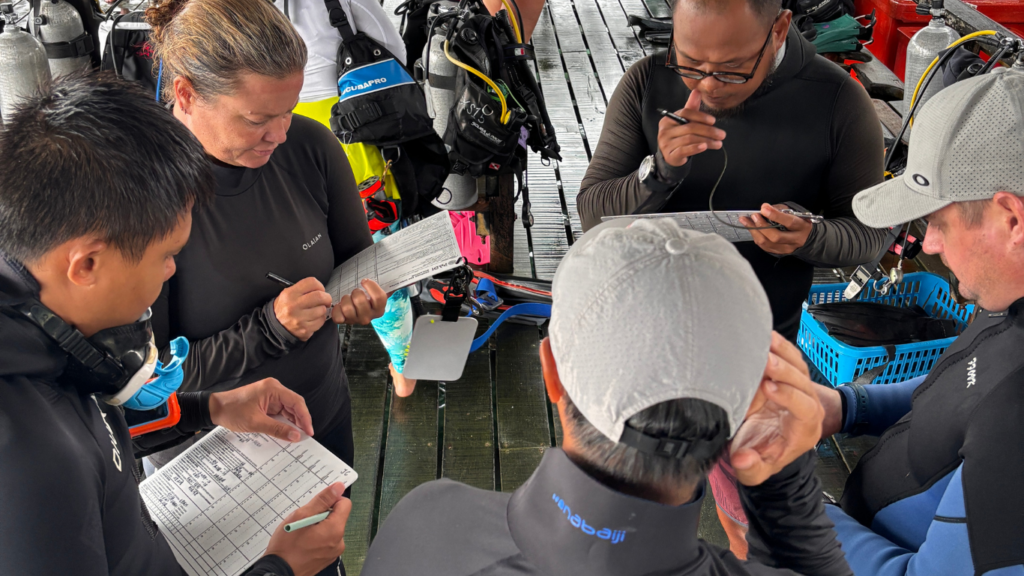
Instead of teaching people how to dive, you’ll begin helping instructors learn how to teach. Rather than focusing only on students taking their first breaths underwater, you’ll work alongside a Course Director, mentoring future dive professionals and helping shape the next generation of instructors.
It’s a completely different role, and for many experienced instructors, it’s the moment they rediscover why they fell in love with teaching in the first place.
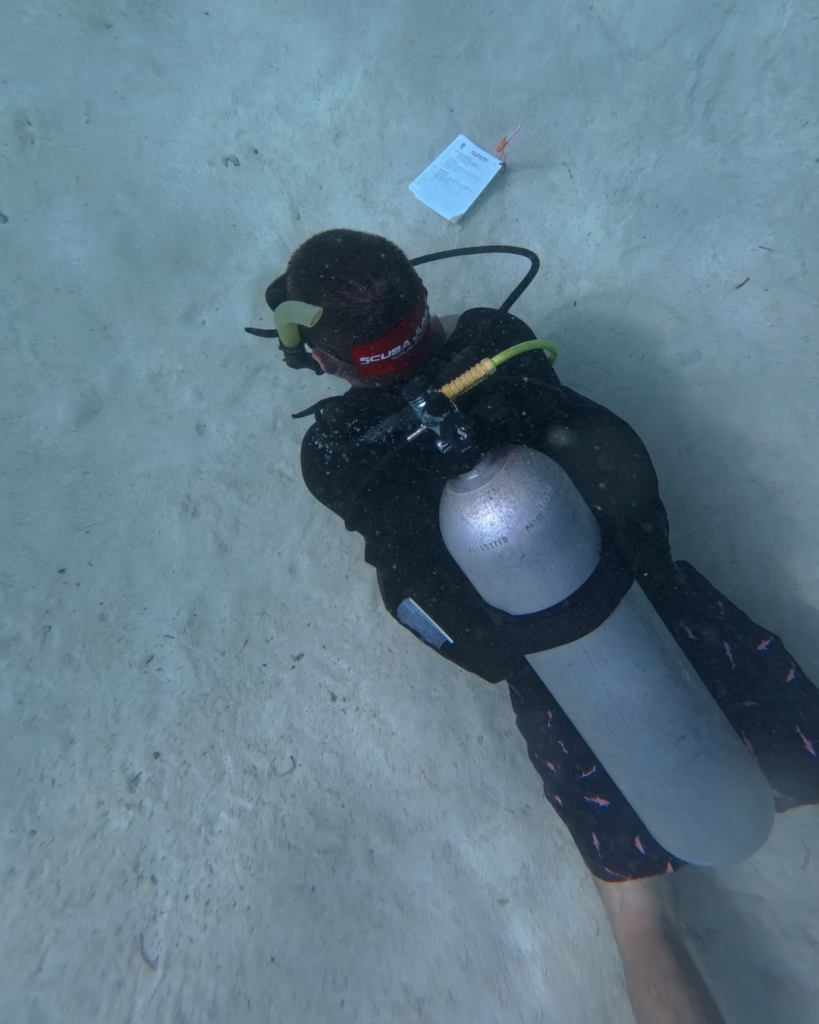
A PADI IDC Staff Instructor is an experienced professional who has moved beyond teaching recreational scuba courses and into professional-level education.
While an Open Water Scuba Instructor teaches divers, a Staff Instructor teaches and mentors future instructors.
That difference might sound subtle, but in practice it changes everything.
You’ll help Assistant Instructors develop their teaching skills, coach Instructor Development Course candidates, provide constructive feedback after presentations, explain PADI standards, and learn how to evaluate performance fairly and consistently.
You stop being the person standing at the front of the classroom.
Instead, you become one of the people helping create confident, capable instructors.
It’s a role that requires patience, attention to detail, and the ability to recognise not only what candidates are doing well, but also how to help them improve.
Many dive professionals describe it as one of the most rewarding positions within recreational scuba diving.
Watching someone earn their Instructor certification is satisfying.
Knowing you helped them get there is something else entirely.
The IDC Staff Instructor course isn’t designed for instructors who have just finished their Instructor Examination.
It’s designed for instructors who have spent time teaching real students and have developed confidence in their own abilities.
You’ve probably already dealt with nervous Open Water students, guided Advanced courses, certified Rescue Divers, and maybe even earned your Master Scuba Diver Trainer (MSDT) rating.
You’ve learned how to solve problems, adapt your teaching style, and understand that every student learns differently.
Now you’re ready to learn something new.
How to mentor instructors.
Because teaching someone to dive is one thing.
Teaching someone how to become a better teacher is another challenge altogether.
Before enrolling in the course, candidates need to meet a few professional requirements.
You must be a current PADI Master Scuba Diver Trainer (MSDT), hold a current Emergency First Response Instructor rating, and commit to conducting PADI programmes according to PADI standards.
These prerequisites ensure that every Staff Instructor candidate already has a solid foundation of teaching experience before stepping into a mentoring role.
The course isn’t about learning to become an instructor.
It’s about learning to become an educator of instructors.
One of the biggest misconceptions in professional diving is that education stops once you become an instructor.
In reality, some of the best instructors in the industry never stop learning.
Continuing your education isn’t about collecting another certification card.
It’s about becoming better at what you already love doing.
The IDC Staff Instructor course gives you a completely different perspective on teaching. Instead of focusing on individual students, you begin analysing how instructors communicate, organise lessons, demonstrate skills, and solve problems.
You’ll notice details you never noticed before.
You’ll learn how to evaluate teaching objectively rather than emotionally.
You’ll discover how small adjustments in communication can completely change a student’s learning experience.
Many graduates say they returned to teaching recreational courses with far more confidence than before.
Ironically, becoming a Staff Instructor often makes you a better Open Water Instructor.
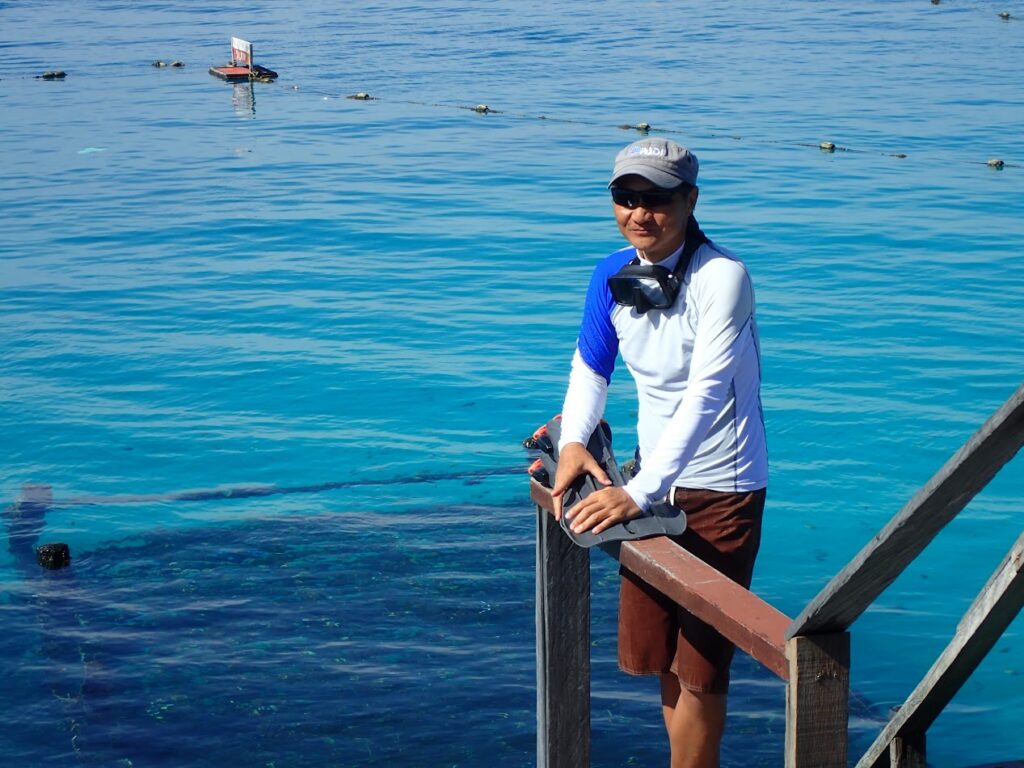
The qualification doesn’t simply add another logo to your CV.
It changes how employers see you.
Large dive resorts and training centres are often looking for professionals who can contribute to Instructor Development Courses, mentor Assistant Instructors, and support Course Directors during busy training periods.
Having Staff Instructor status immediately demonstrates that you’re comfortable working beyond recreational courses.
It also becomes the next important milestone for instructors who dream of becoming PADI Master Instructors or, one day, PADI Course Directors.
For some, that’s the ultimate goal.
For others, becoming a Staff Instructor is simply a chance to keep growing, continue learning, and give something back to the industry that gave them their career.
Either way, it’s proof that becoming an instructor was never the finish line.
It was only the beginning.
Becoming a PADI Open Water Scuba Instructor is an incredible achievement, but it doesn’t have to be the end of your professional journey. If you still enjoy teaching, mentoring others, and challenging yourself, the PADI IDC Staff Instructor course is a natural next step.
Rather than focusing on teaching new divers, you’ll learn how to support and develop the next generation of instructors. It’s a role that requires experience, patience, and a genuine passion for helping others succeed, but it’s also one of the most rewarding positions in the recreational diving industry.
At Scuba Junkie Mabul, you’ll complete your Staff Instructor training alongside a live Instructor Development Course, working closely with our Course Director and mentoring real instructor candidates throughout their journey. It’s an opportunity to continue learning, grow as an educator, and become an even stronger dive professional.
If you’ve been wondering what comes after becoming a dive instructor, perhaps you’ve just found your answer.
A PADI IDC Staff Instructor is a professional-level instructor who assists Course Directors during Instructor Development Courses (IDCs), teaches the Assistant Instructor course, and mentors future PADI Instructors throughout their training.
To enrol, you must be a current PADI Master Scuba Diver Trainer (MSDT), hold a current Emergency First Response (EFR) Instructor rating, and be in Teaching Status with PADI.
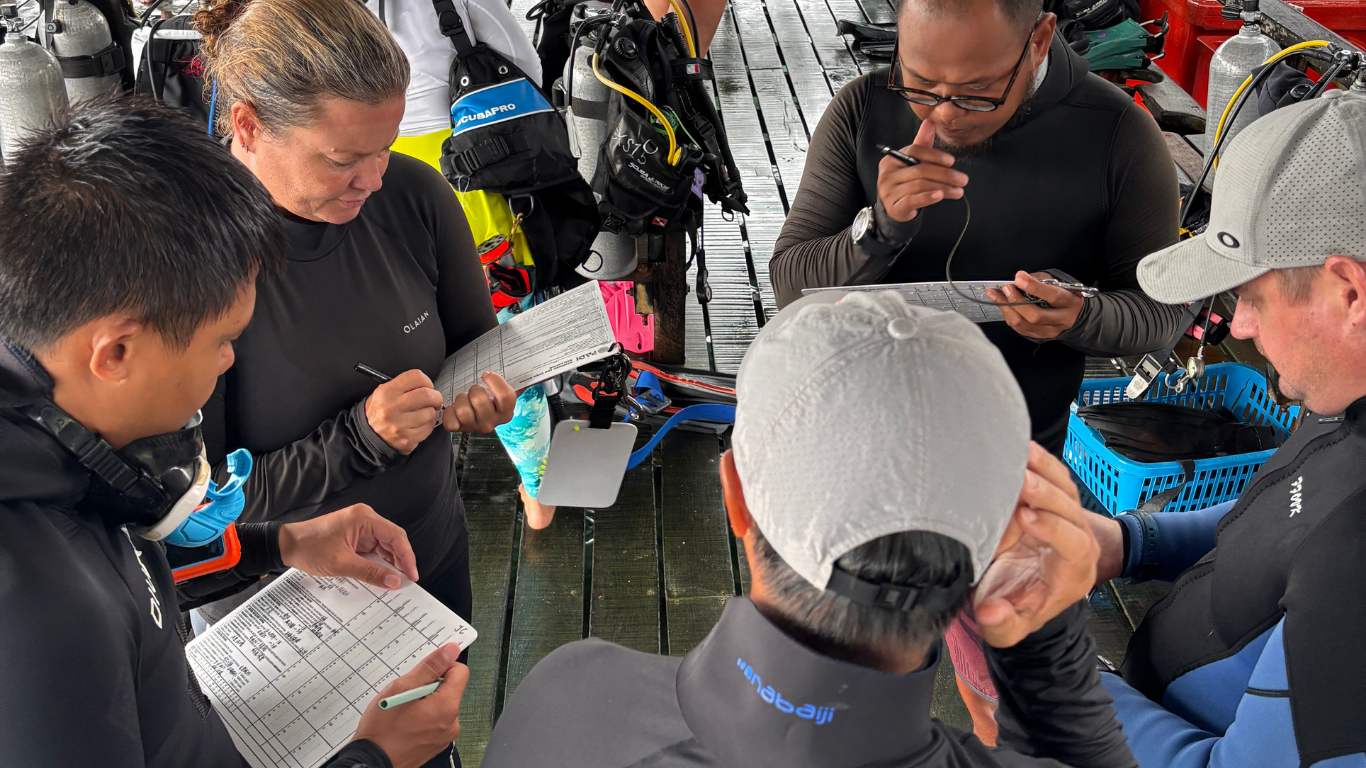
The course combines theory reviews, standards workshops, skill evaluations, presentation assessments, and the unique opportunity to audit a live IDC. Candidates learn how to evaluate teaching presentations, mentor instructor candidates, and work alongside a PADI Course Director.
Yes. After certification, Staff Instructors can independently conduct the PADI Assistant Instructor course and assist Course Directors during future IDCs, making them a valuable part of any professional training team.
For instructors who enjoy teaching and want to continue growing professionally, absolutely. It improves your teaching skills, increases your employability, and is an important milestone for those aiming to become a PADI Master Instructor or Course Director in the future.
At Scuba Junkie Mabul, the Staff Instructor course runs alongside our Instructor Development Courses, allowing candidates to work with real IDC students under the guidance of our experienced Course Director. This hands-on approach provides practical mentoring experience in a professional training environment.