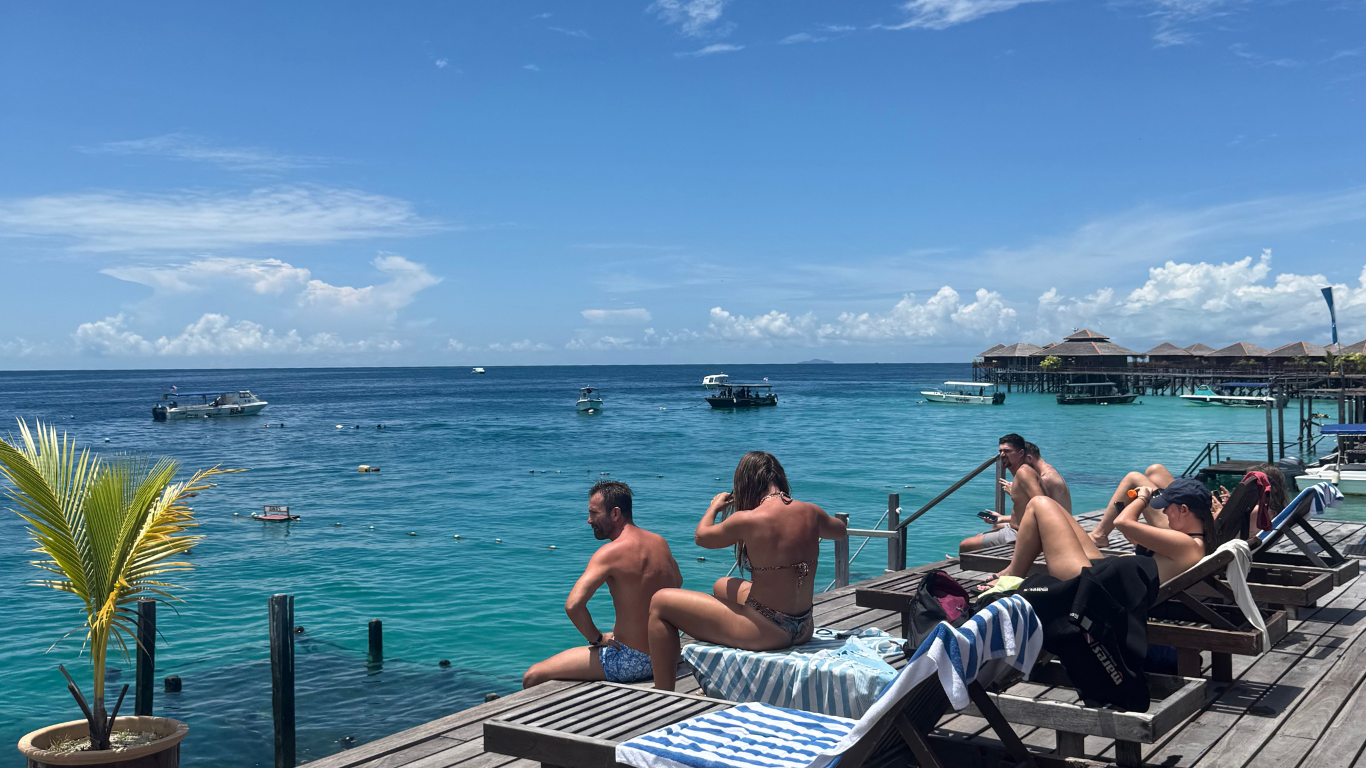
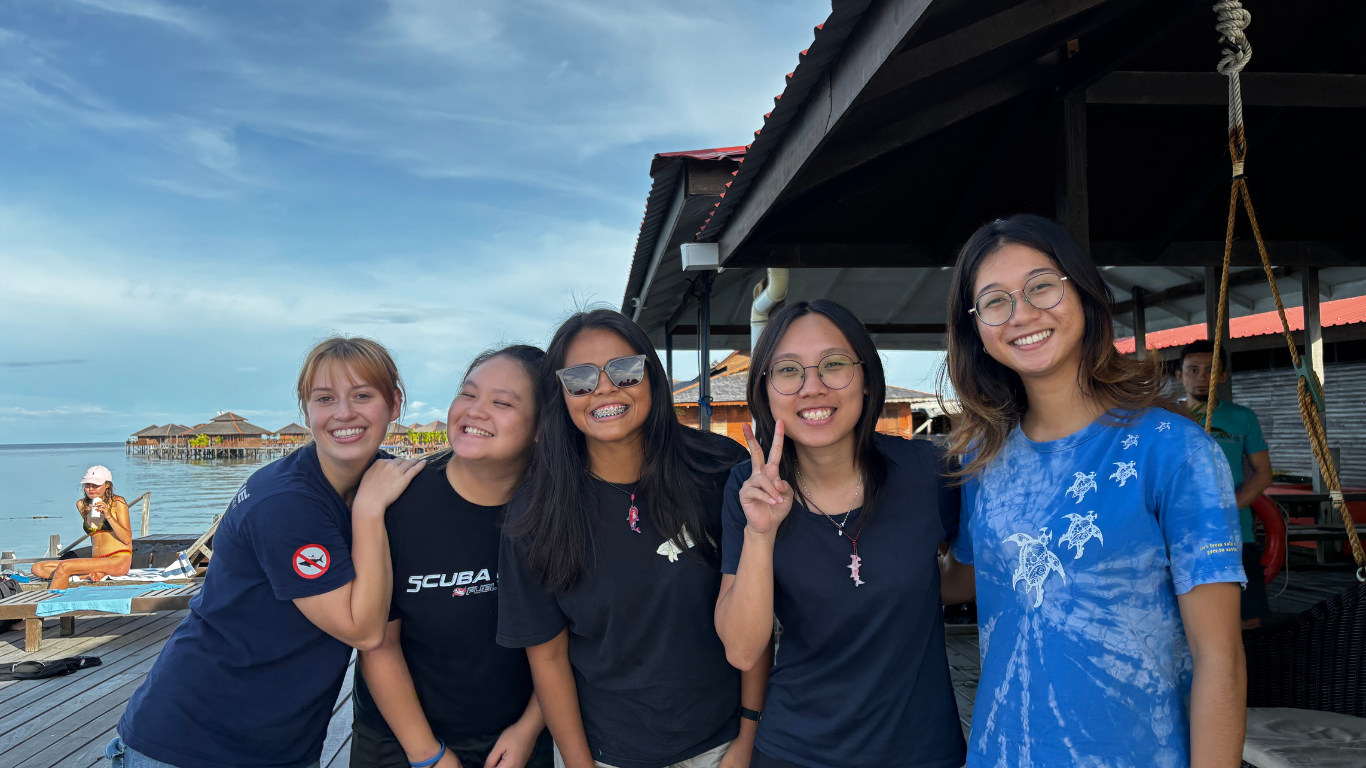
We provide daily dive trips and dive courses around Mabul, Sipadan and Semporna area.
Looking for tips and tricks about diving, marine life or what to do in Borneo? Follow us on our blog for weekly updates from the team!







Turtle conservation in Mabul is more than protecting nests on a beach. It’s a powerful example of how science, culture, and community can work together to protect endangered sea turtles in Sabah.
Today, visitors to Mabul Island often see turtles gliding through shallow reefs, sometimes just meters from the jetty. But this thriving turtle presence did not happen by chance. It is the result of long-term sea turtle protection in Sabah led by marine biologists and supported by the local community.
To truly understand turtle conservation in Mabul, we must look at both the history and the solution.
Before tourism and marine conservation projects developed in Mabul, access to protein sources was limited. Chicken eggs were not always available, and turtle eggs were traditionally consumed as food. There was also a common belief that turtle eggs had health benefits.
For local families, collecting turtle eggs was not seen as harmful — it was practical and culturally accepted. However, as demand increased and black market trade expanded, turtle populations began to decline.
Effective turtle conservation in Mabul required acknowledging this reality instead of ignoring it.
In many parts of the world, conservation strategies focus on punishment. Fines, bans, and strict enforcement are common approaches. But when conservation efforts fail to consider local livelihoods and traditions, they often create conflict rather than cooperation.
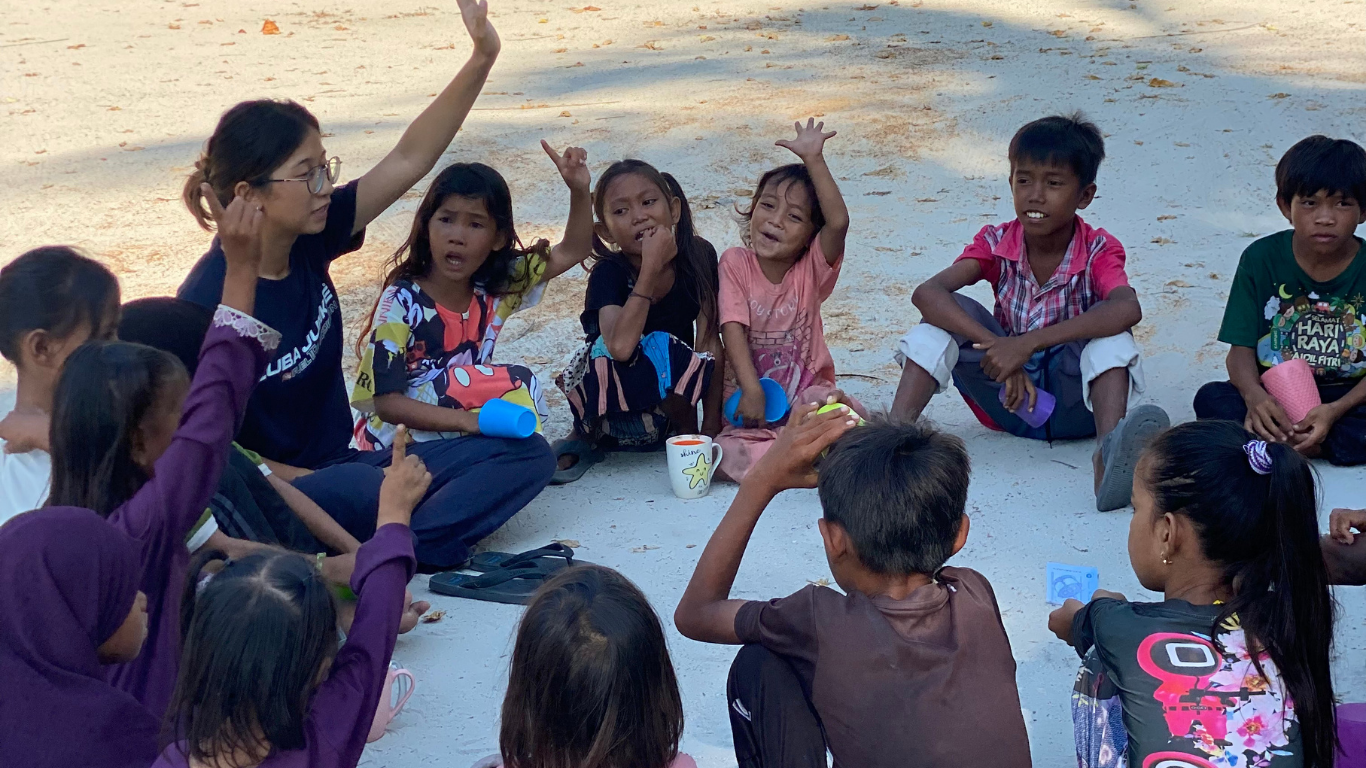
Scuba Junkie SEAS recognized early on that sustainable turtle conservation in Mabul would only succeed if the community became part of the solution.
This shift in thinking changed everything.
Instead of criminalizing egg collection, Scuba Junkie SEAS introduced a collaborative reward system.
Today, when a local community member discovers a turtle nest, they can contact the SEAS team. In return:
This approach supports turtle conservation in Mabul in multiple ways:
The result is a model of sea turtle protection in Sabah that works with the community instead of against it.
Once eggs are relocated, they are placed in carefully monitored hatchery conditions. Temperature and environmental data are recorded because they influence hatchling development and sex ratios.
Throughout incubation, marine biologists monitor:
When hatchlings emerge, data is collected before they are safely released into the sea. Every step contributes to long-term turtle conservation in Mabul.
Turtle conservation in Mabul goes beyond protecting eggs. Scuba Junkie SEAS also operates a turtle rehabilitation centre in collaboration with local authorities.
Injured or sick turtles are treated and monitored until they are strong enough to be released. Additionally, ongoing turtle photo identification surveys help track individual turtles over time, building a long-term monitoring database.
This combination of nest protection, rehabilitation, and monitoring forms a comprehensive marine conservation community program in Malaysia.
The success of turtle conservation in Mabul shows that lasting environmental protection requires cooperation. When communities feel respected and included, conservation becomes shared responsibility.
Instead of seeing turtles as a resource to extract, local residents now play a role in safeguarding them. The RM 200 reward system demonstrates that practical incentives, education, and collaboration can produce measurable conservation outcomes.
This model offers valuable lessons for sea turtle protection in Sabah and beyond.
Protecting turtles requires consistent funding, research, and community engagement. There are two main ways to get involved:
Even small actions contribute to turtle conservation in Mabul when they support structured, science-based initiatives.
Sea turtles face global threats from habitat loss, plastic pollution, climate change, and illegal trade. But the story unfolding in Mabul Island proves that hope is not abstract — it is practical.
Through collaboration, scientific monitoring, and community partnerships, turtle conservation in Mabul continues to evolve and strengthen each year.
Protecting turtles is not about one dramatic rescue moment. It is about steady work, careful data collection, and relationships built on trust.
And that is what makes it sustainable.
Did you know that community reward systems can play such a powerful role in conservation?
Share your thoughts in the comments — or tell us what surprised you most about turtle conservation in Mabul.