

Sharks have roamed the oceans for over 400 million years, long before the first dinosaurs appeared. They play a crucial role in maintaining the health of marine ecosystems by keeping populations of other marine species in check. Despite their importance, sharks are often seen as terrifying predators, primarily due to sensational media portrayals. However, this perception is far from reality.
The fear of sharks is largely based on myths and misconceptions. In truth, shark attacks on humans are extremely rare. According to the World animal foundation, there are about 63 unprovoked shark attacks each year, with 5 to 6 of these attacks resulting in death. In 2023, there was a slight increase to 69 attacks, but this number still fits the average trend over the past five years.. When sharks do bite humans, it is usually a case of mistaken identity. Surfers and swimmers can sometimes be mistaken for seals or other prey due to their movements and silhouettes in the water.
Moreover, sharks are generally uninterested in humans as a food source. They prefer their natural prey, such as fish and marine mammals. Proper interaction and understanding can significantly reduce the risk of shark encounters. Divers and swimmers are encouraged to follow safety guidelines, such as avoiding wearing shiny jewelry, which can attract sharks, and refraining from swimming in areas where there are known to be large schools of fish.
The intense fear of sharks can be largely attributed to the impact of the movie "Jaws," released in 1975. This iconic film depicted sharks as vengeful man-eaters, instilling a deep-seated fear in the public psyche. The media has further fueled this fear by sensationalizing shark attacks, often using graphic imagery and dramatic headlines. Such portrayals have created an exaggerated perception of the danger sharks pose.
In reality, the likelihood of being attacked by a shark is extremely low. Statistically, you are more likely to be struck by lightning or injured by a falling coconut than to be attacked by a shark. The disproportionate fear of sharks stems from a combination of cultural influence and lack of understanding about these creatures.
Sharks are naturally wary of humans. In the underwater world, we are unfamiliar and strange beings to them. Sharks rely heavily on their senses, such as electroreception and smell, to navigate and hunt in the ocean. These senses help them detect the heartbeats and electrical impulses of their prey. Humans, however, do not emit the same signals that sharks typically associate with food.
While sharks often capture our imagination as deadly predators, there are many everyday occurrences that are far more dangerous. Here are five things more likely to kill you than a shark:
These comparisons highlight how irrational our fear of sharks can be when viewed in the context of everyday risks.
While humans fear sharks, the reality is that sharks have far more reason to fear humans. It is estimated that humans kill over 100 million sharks each year. This is primarily due to overfishing, bycatch, and the demand for shark fins, which are considered a delicacy in some cultures. The practice of finning, where sharks are caught, their fins removed, and then discarded back into the ocean, often while still alive, is particularly brutal and wasteful.
This massive decline in shark populations poses a severe threat to marine ecosystems, as sharks play a critical role in maintaining the balance of ocean life. Conservation efforts are vital to protect these misunderstood creatures. Organizations such as Oceana and the World Wildlife Fund (WWF) are actively working to raise awareness and implement policies to safeguard shark populations.
By becoming ambassadors for sharks, we can help shift the narrative from fear to conservation. Educating others about the importance of sharks and advocating for their protection can contribute significantly to preserving these magnificent creatures and the health of our oceans.
In conclusion, while sharks may evoke fear due to cultural portrayals and sensationalized media, the actual danger they pose to humans is minimal. By understanding and respecting sharks, we can coexist peacefully and work towards their conservation, ensuring that these vital creatures continue to thrive in our oceans for generations to come.
Are you ready to interact with sharks in a safe environment? Book your Sipadan trip with Scuba Junkie and witness the kings of the oceans up close. Our experienced guides will ensure you have a safe and unforgettable diving experience, offering you the chance to see these magnificent creatures in their natural habitat.
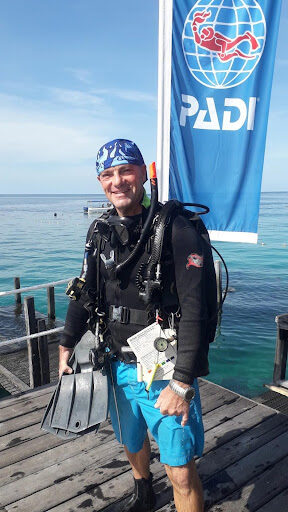
After working for almost 23 years in Finance and Advertising in the corporate world, working my way up from junior positions to supervisory and eventually into management; the tight deadlines, extremely long working hours and heavy stress, it became apparent that the “fun” started to wain.
“I love my job" was becoming a statement that I began to say less and less, eventually turning into resentment and thoughts of “I hate my job" were soon becoming more and more normal.
Big pay cheques and regular considerable sized bonuses seemingly weren't enough compensation for the toll on my psychological make-up, the drain on my happiness was huge.
I decided that there was more to life than being stuck in an office for up to 45 years to then retire and finding myself unable to do anything more adventurous than playing bingo, high tea dancing, early sleeping nights and my days filled with “I wish I could have done that when I was younger”.
I had taken my diving certifications during my annual leave holidays, eventually taking the Divemaster course for my own challenge whilst still working in the corporate world and on the fast slippery slope of no longer enjoying fat salaries and resenting the long 16-18 hours, 7 days a week.
However, I had no intention to work as a Divemaster professionally, I was happy to have long dive holidays and observe how things were run. I began assisting courses that in hindsight I could see weren't being conducted well, many skills overlooked, standards being dropped and ignored. This led me to acknowledge that I can do a better job and become a much better instructor.
I had decided I must become a PADI Instructor.
During my IDC I knew that being a teacher, a coach, an educator and a mentor was what I was meant to be, my passion for diving could be passed on to others to share.
My own fears and numerous mild panic surfacing during my own Open Water Course were to prove valuable in being able to encourage others to overcome theirs.
If you would like to find out more about the PADI Open Water Course, click here.
I began teaching in Mabul in March 2010, initially a 3 month “working holiday” at a small company, I went back and forth to the UK several times and also spent a year in Sri Lanka. During this time, I realized that no longer did I want to go back to the UK, nor in fact did I want to stay in Sri Lanka.
I felt compelled to go back to Mabul and work there.
In March 2013, I was full time, living, working and teaching on Mabul. This is my true passion and my dreams have come true.
In the 10-12 years of working at another company, I always admired from a distance the practices, principles and procedures of Scuba Junkie; I always dreamed of working at Scuba Junkie, I had several miss timed discussions with the Big Bosses, unfortunately there were no positions available.
Covid19 took its toll on everyone around the world, scuba diving wasn't excluded from this. However, recovery was in sight, diving was opening, dive companies were starting to operate and an opportunity to make the move was right for me.
In May 2022, another dream came true; I started to work at Scuba Junkie.
This successful well oiled machine is an absolute privilege I am so happy to be a part of. The quality of everything is spot on.. the dive equipment, the boats, the maintenance, the dive management, scheduling and support, the quality of teaching.. everything ticks the right boxes.
Attention to detail is second to none, every piece of equipment is accounted for and very well maintained, every diver is treated as an individual, and an instant friendship with guests is formed like family. Dive scheduling is carried out to military precision which can't be easy when there are upwards of 70 divers; PADI courses are conducted meticulously and best allocated appropriately whether age of students, language requirements, instructor experience, small groups, one to one if necessary, course programs are well thought out and managed to meet individual student and instructor requirements.
Guests are well informed as to where they are diving the next day.
Boat Captain scheduling is key, maintenance and service of engines carried out timely.
Dive briefings are informative, Divemasters (mostly in-house “zero to hero" trained) are professional as well as fun and friendly.
The team work amongst the Scuba Junkie staff is enormous, everyone helps out loading and unloading boats.. tanks.. equipment, even if you are not on that boat, we all help out.
My role is varied, some days teaching courses, some days Discover Scuba diving from the jetty, some days guiding certified divers around Mabul, Kapalai, and also at the infamous Sipadan, one of the top dive destinations in the world.
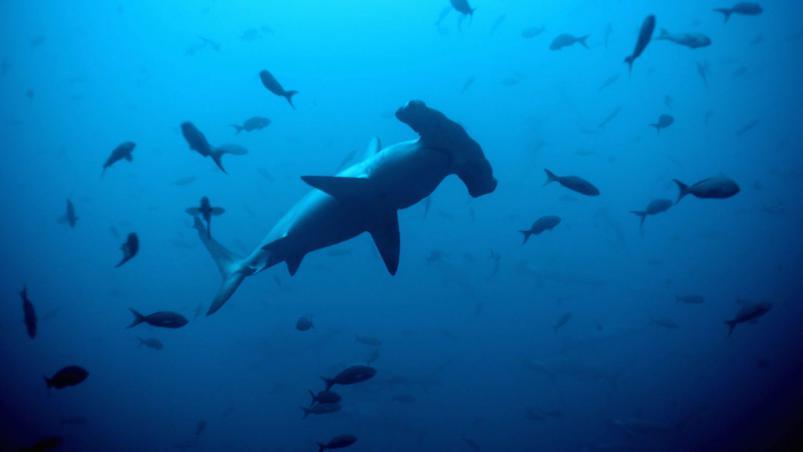
Want to find out more about Sipadan diving packages?
https://www.scuba-junkie.com/sipadan-diving-packages
I love sharing my knowledge and experience with other divers and my fellow colleagues.
I love teaching students at all levels, whether from beginner right up to the pro level.
My passion, enthusiasm and energy is thrown into all my dives, whether they are course dives or guiding fun divers.
Every day I can honestly say “I LOVE MY JOB".
Everyday when I walk down the Scuba Junkie jetty, I feel the biggest smile take over my face.
I am proud to be part of the Scuba Junkie family
I am proud to be a PADI Instructor.
Do you want to fulfil your dream and become a PADI Instructor like me?
Find out more about the upcoming Instructor Development Course here.
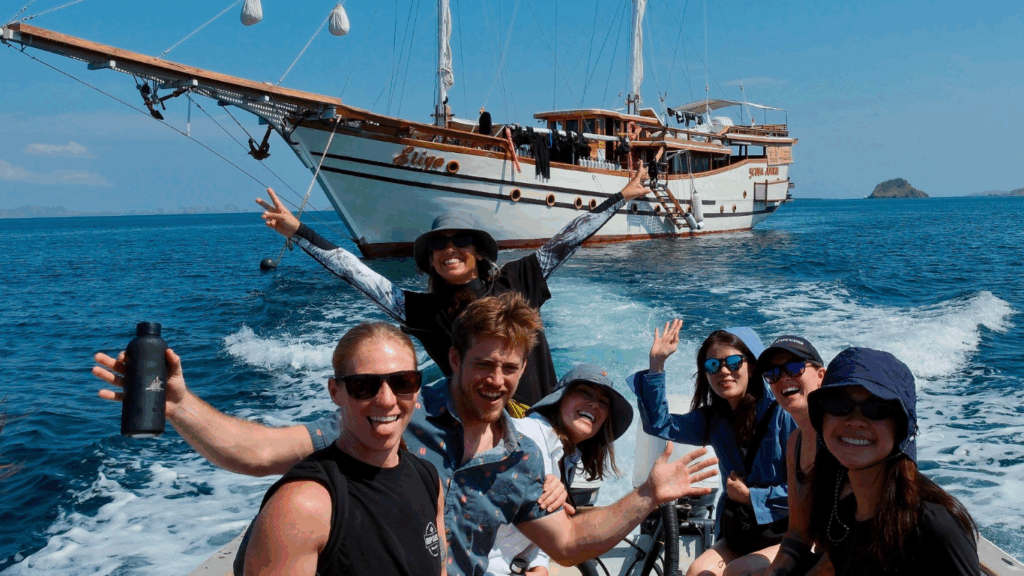
We have some amazing news that we would like to share with you!! In April 2024 the Scuba Junkie Team will launch KLM Eliya - our first purpose built scuba diving liveaboard! KLM Eliya will depart on her Maiden Voyage in April in the world famous Komodo National Park.
KLM Eliya is a 30 metre phinisi style ship that will be based in Komodo National Park. The diving in this area has something for everyone from our resident manta population to the smallest pygmy seahorse! Komodo sits in one of the most bio-diverse locations on the planet with a huge variety of coral reefs and marine life. Diving Komodo will take your breath away and being about to do it on Komodo’s newest liveaboard will make your holiday one to remember!
The Maiden Voyage of KLM Eliya is already sold-out, but do not worry we still have some extra special offers for you. Why not be one of our first guests to experience our newest venture in Komodo?
For all trips departing in May 2024 we are offering 30% off the listed prices. Trips onboard KLM Eliya are 6 day / 5 nights with 20 dives included as standard. Heading all the way to Komodo really does need a trip to see the famous Komodo Dragons so this is also included as part of your trip.
Read a little more about our schedule and itinerary here.
Why not think about combining our incredible Komodo liveaboard and a trip to Sipadan - one of the most famous diving destinations in the world! If you would like to combine your scuba diving holiday check out our special Combo Deals. Scuba Junkie locations are hand picked to offer you some of the best diving in South East Asia so why not get a few of these ticked off your bucket list!! You can combine our Komodo liveaboard with our Scuba Junkie Resorts in Komodo, Penida, Sangalaki & Sipadan.
If you would like to find out more about our Komodo liveaboard and our opening offers get in touch now to find out more
My entire scuba diving career I have been in very cold or moderate temperatures (12’C-26’C) , personally I'm not a fan of the cold, I don't think anyone is. As soon as I got the opportunity to dive in water that rarely ever goes lower than 29’C-30’C I was instantly sold!
But warm water can’t be the only reason I decided to leave my previous Job as an instructor in South Africa's most diverse diving location.
I gathered the majority of my dives (400+-) and experience in South Africa - Sodwana Bay.
Sodwana Bay has exceptionally healthy reefs that stretch over 9 miles of pristine untouched beaches. The Marine life has everything you could want as a diver , from the Best macro diving to the biggest and most beautiful marine life such as whales, dolphins, turtles, Mantas and many more.

Well, I was extremely interested in Muck diving which I have never experienced before. As someone who loves finding extremely camouflaged and hidden creatures, I was ready for a new challenge , and in the beginning it was most definitely not a walk in the park, but I definitely warmed up to it and had some amazing encounters such as finding a clown frogfish with a smaller one underneath its belly and being able to see the extremely rare hairy octopus! And for all my nudibranch enthusiasts I was able to spot a Solar Powered Nudibranch!

Sipadan was the biggest reason I decided to make the move to Scuba Junkie Mabul because it's so close to such a world class island for diving. Sipadan has definitely lived up to expectation as everyday it's providing amazing experiences from the Chevron Barracuda vortex, Bumphead parrot fish, Schooling Jackfish (big eye trevally) and the constant sightings of Sharks which is such a fresh breathe of air compared to complexities of locating macro for my guests. Although diving Sipadan is not easy with all of its oceanic currents and unpredictability, but that's also what makes it so thrilling as when you drop in you will never get the same dive as yesterday. For all the adrenaline junkies out there the currents will definitely make you breathe through your cylinder more than a little bit faster than usual.