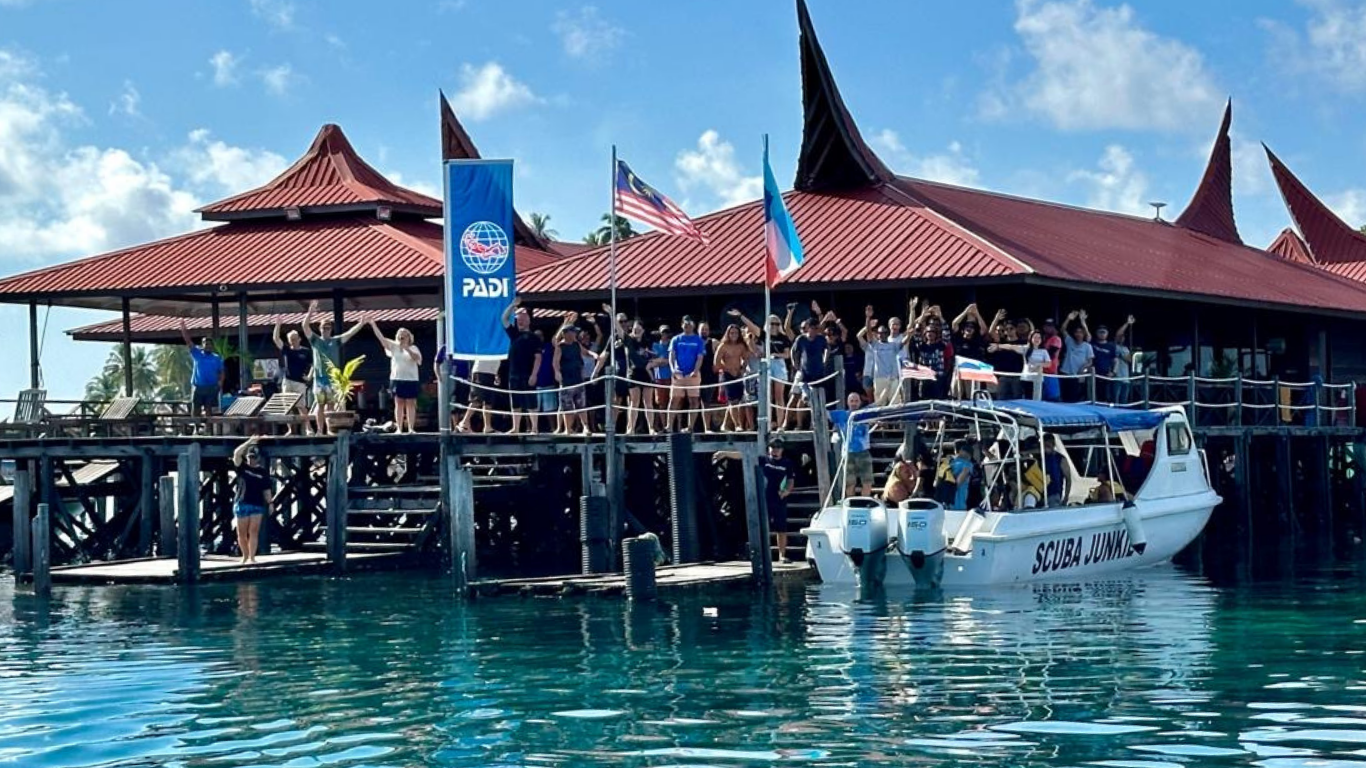
We provide daily dive trips and dive courses around Mabul, Sipadan and Semporna area.
Looking for tips and tricks about diving, marine life or what to do in Borneo? Follow us on our blog for weekly updates from the team!




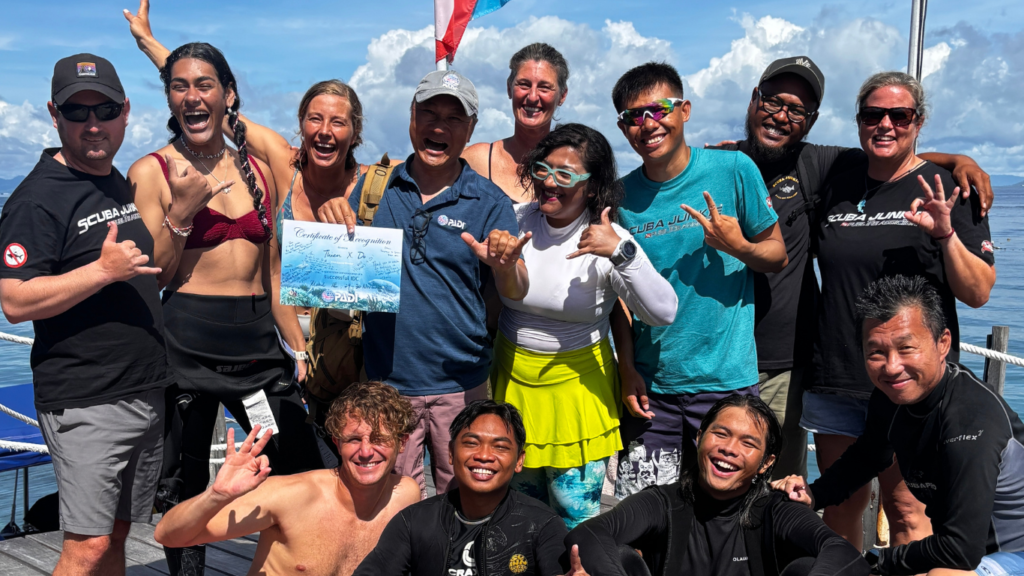
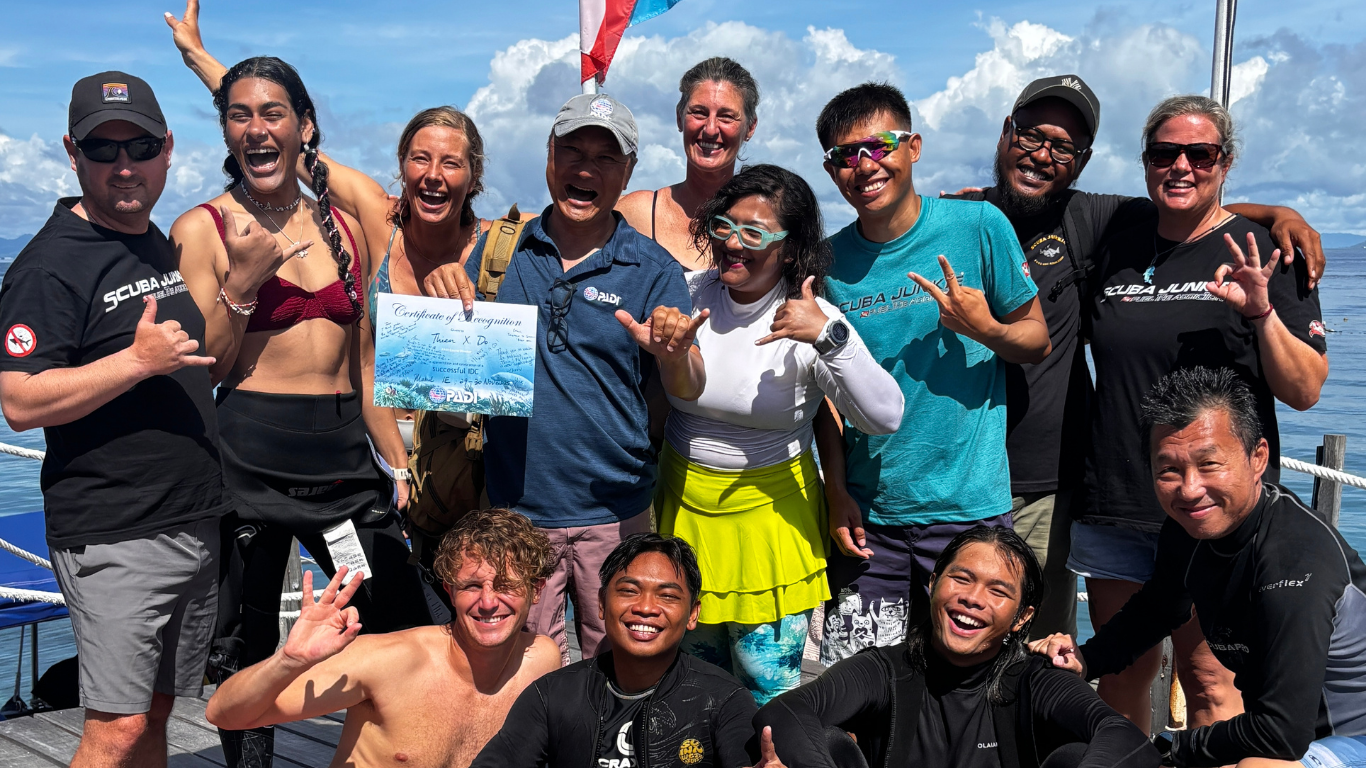
PADI IDC training can feel like an enormous next step, even for someone who already works as a Divemaster. The idea of standing in front of students, explaining dive theory and being responsible for someone else’s first underwater experience can make almost anyone ask the same question: am I really ready?
Being ready does not mean arriving as a finished instructor. That would defeat the purpose of the course. It means having the required foundation, taking your professional responsibilities seriously and feeling ready to learn how to turn your diving knowledge into clear, safe teaching.
If becoming a dive instructor keeps returning to your mind, these seven signs can help you decide whether the PADI IDC is the right next step.
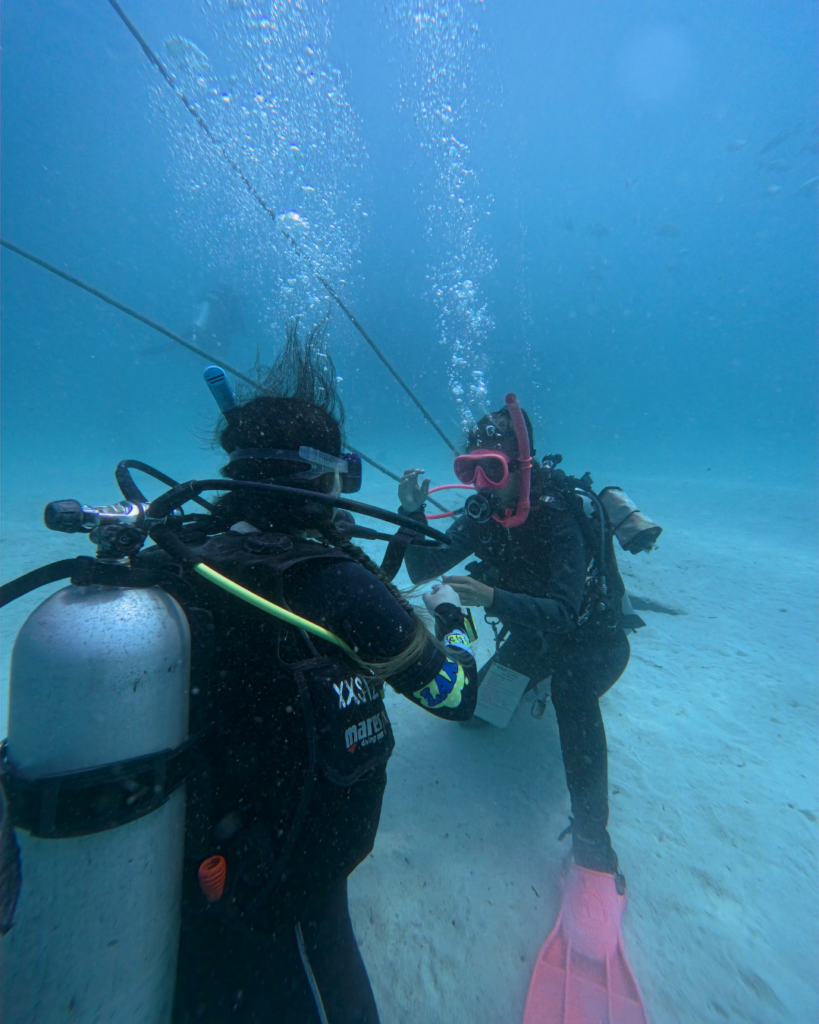
Loving diving is essential, but an instructor’s job is not simply to spend more time underwater.
Teaching means paying attention to another person’s experience. You may repeat the same explanation in several different ways, demonstrate a basic skill slowly, notice when someone is becoming anxious and change the plan so they can succeed safely.
Some days, your student’s biggest achievement will be putting their face in the water comfortably. That moment may not sound dramatic to an experienced diver, but for the student it can change everything.
If helping someone else discover diving feels as rewarding as completing your own dive, the PADI IDC may be a natural next step.
The shift from recreational diver to professional begins before instructor level. As a Divemaster, you learn to watch the group, anticipate problems and think about more than your own air, depth and position.
An instructor carries that awareness into teaching. Students may be excited, nervous, distracted or completely unfamiliar with the equipment. They rely on the instructor to create structure, explain expectations and respond calmly when something does not go as planned.
You do not need to have seen every possible problem. You do need to respect the responsibility and be willing to prepare properly.
Feeling nervous about that responsibility does not automatically mean you are unready. In many cases, it shows that you understand the role matters. The more important question is whether you respond to that feeling by learning, practising and asking for feedback.
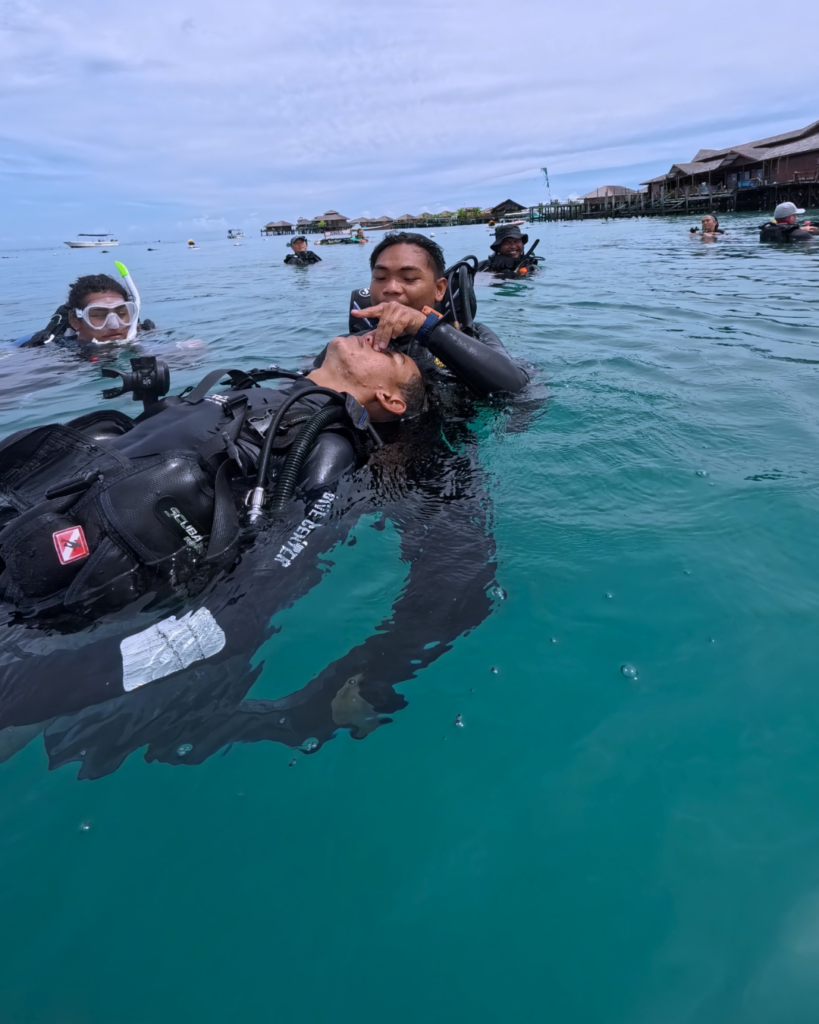
During the PADI IDC, knowing how to perform a skill is only the beginning. You learn to demonstrate it in a way that is slow, clear and easy for a student to understand.
That is difficult if you are still using all your attention to manage your own buoyancy, breathing or position. A future instructor does not need flawless performance before the course, but core skills should feel stable enough that you can begin focusing on how another person sees them.
Think about your mask skills, regulator recovery, alternate-air-source use, controlled ascents, hovering and general buoyancy. Can you perform them calmly? Can you recognise the important steps? Are you willing to repeat them until the demonstration becomes precise?
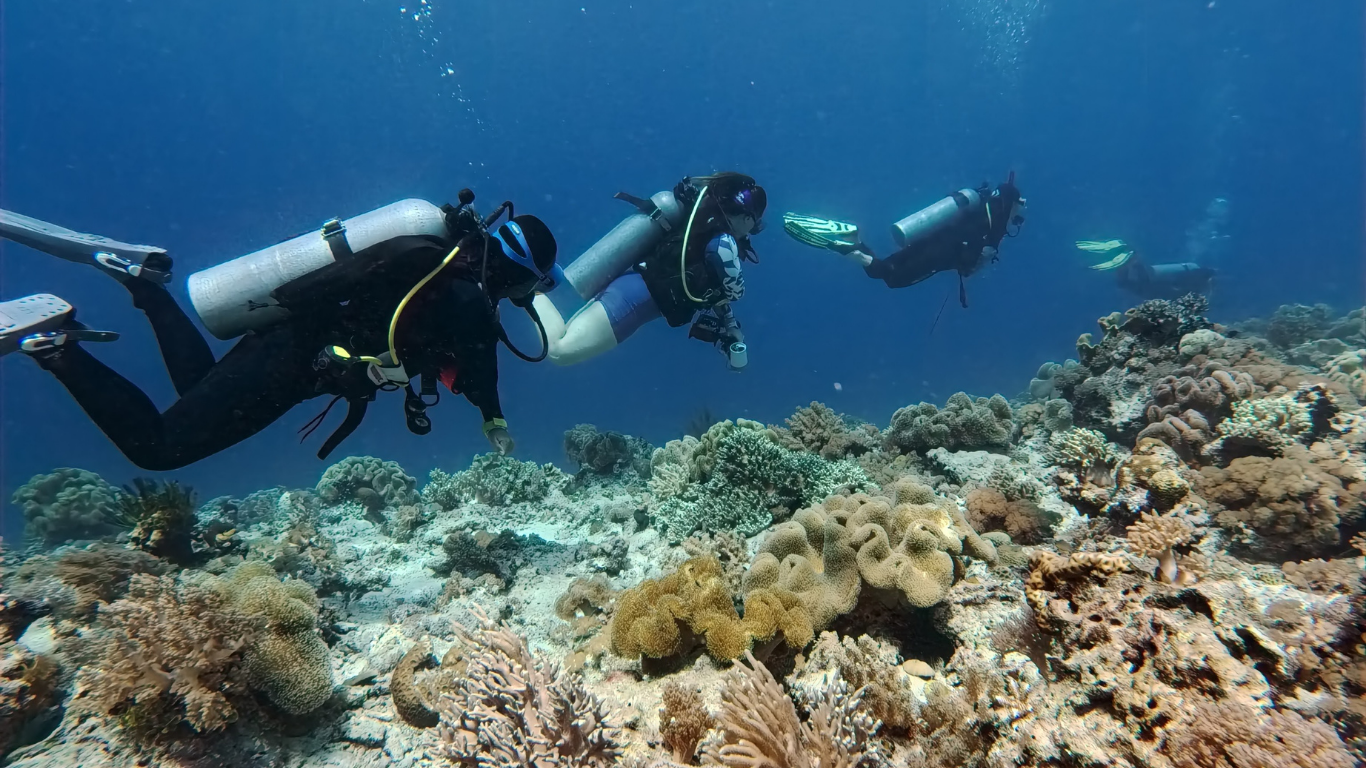
At Scuba Junkie Mabul, PADI IDC candidates have access to the house reef and training platform for additional practice with a buddy. Repetition turns a skill you can complete into a skill you can genuinely teach.
Good instructors do not only memorise what to do. They understand why the structure exists.
A clear briefing helps students know what will happen, what is expected of them and how the instructor will respond if they need help. Training standards create consistency and define how courses should be conducted safely. Dive theory helps instructors explain what is happening rather than relying on “because that is the rule.”
If you have started listening to briefings differently, asking why an instructor chose a particular approach or noticing how small changes affect a student’s confidence, you are already beginning to think like an educator.
The PADI IDC develops that way of thinking through knowledge presentations, confined-water teaching and open-water teaching practice.
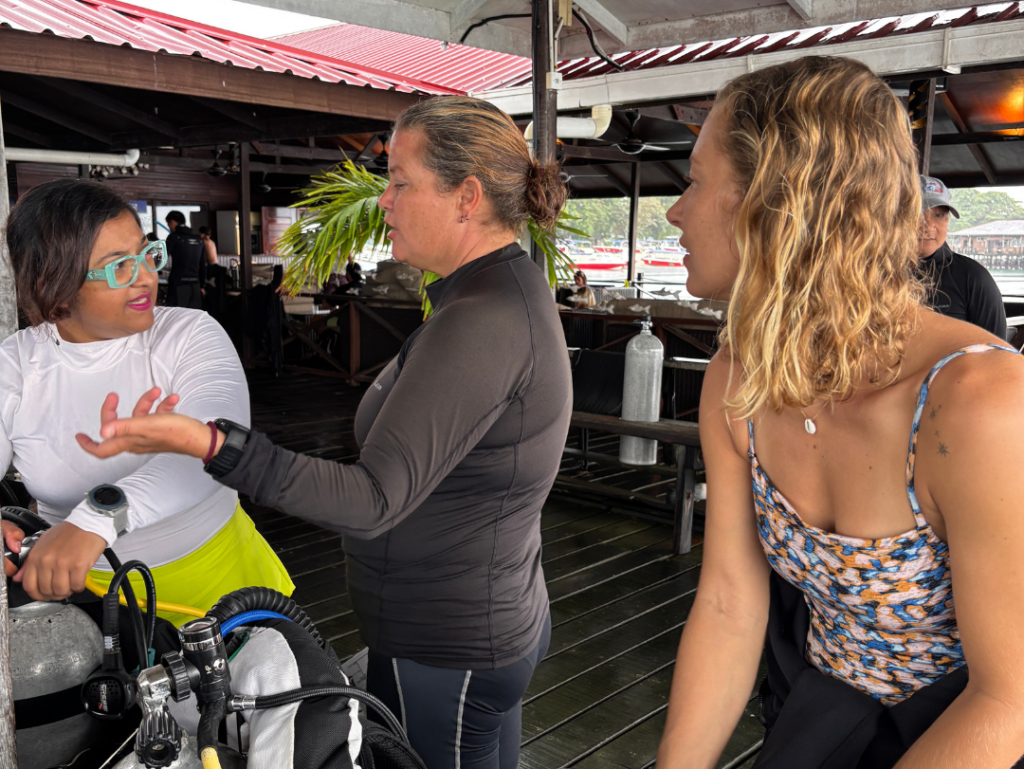
Instructor training involves feedback. A lot of it.
Your presentation may be clear but miss an important link. Your demonstration may be technically correct but too fast. Your control of the group may work until the scenario changes. None of this means you are failing. It gives you a precise place to improve.
Candidates who benefit most from the PADI IDC are not necessarily the ones who arrive looking the most confident. They are the ones who can hear feedback, ask useful questions and try again without turning every correction into a judgement about their ability.
Teaching is a skill that continues developing long after the Instructor Examination. Being coachable during the course is a strong sign that you are ready for that process.
The underwater world may be what attracts people to the profession, but much of an instructor’s impact happens through human connection.
Students arrive with different languages, learning styles, fears, physical abilities and expectations. One person needs a technical explanation. Another needs to watch the demonstration twice. Someone else simply needs to know that feeling nervous is normal.
If you enjoy communicating, adapting and helping people surprise themselves, instructor life may suit you. You do not need to be the loudest person on the boat. Calm, observant and patient instructors can be incredibly effective.
The PADI IDC helps candidates organise their knowledge so they can communicate it to real students, not perform a memorised personality.
Maybe you have already imagined teaching somewhere tropical. Maybe you watch instructors at work and wonder how you would explain the same skill. Perhaps you finished your Divemaster and said you would think about the next step later, but the idea never really left.
Not every recurring thought needs to become a career. But when the same goal keeps returning, it is worth examining seriously.
Ask yourself what is holding you back. Is it a formal prerequisite you can complete? A skill you can practise? A financial or travel plan you can organise? Or are you waiting to feel completely ready before starting something designed to prepare you?
You do not need certainty about the rest of your life. You need enough clarity to take the next informed step.
The seven signs describe personal readiness. The PADI IDC also has formal entry requirements.
To enrol with Scuba Junkie Sipadan, candidates must be at least 18 years old, hold a leadership-level diving certification such as PADI Divemaster, have been a certified diver for at least six months and have completed at least 100 dives. Candidates also need a current medical confirming fitness to dive, signed by a physician within the previous 12 months, and a current Emergency First Response certification completed within the past two years.
If one of these requirements is missing, contact the team before assuming the course is out of reach. An expired EFR can be renewed, missing dive numbers can be built responsibly and crossover candidates from another training organisation may be able to complete additional preparation.
Eligibility is a checklist. Readiness is the willingness to use the course well.
Scuba Junkie’s November 2026 programme begins with candidates arriving on Mabul no later than 15 November. The 11-day IDC preparation and programme runs from 16 to 26 November, followed by the two-day Instructor Examination on 27 and 28 November. A minimum of two candidates is required for the programme to run.
The course begins by checking dive theory, rescue ability and the 24 basic diving skills. Candidates then divide their time between the classroom and dedicated confined and open-water training areas.
The programme includes the Emergency First Response Instructor course, two Specialty Instructor ratings and a full two-day mock IE. The mock examination is especially valuable because it turns the final assessment from a mystery into a format candidates have already experienced.
Scuba Junkie keeps IDC groups to a maximum of eight people, with the average group often smaller. Candidates can also use the house reef for extra shore-dive practice with a buddy during the IDC. The classroom, accommodation, dive centre and training water are close together, allowing candidates to focus on learning rather than daily transfers.
After completing the PADI IDC, candidates attend the two-day Instructor Examination, commonly called the IE.
The IE has four main components: written examinations, a classroom presentation, confined-water teaching and open-water teaching. It is designed to confirm that candidates can apply what they learned during the course and meet the required teaching standards.
The examination can sound intimidating when it is still unknown. Good preparation changes that. By the time Scuba Junkie candidates reach the IE, they have practised the different components and completed a mock examination in the same training environment.
The aim of the PADI IDC is not only to help someone pass two examination days. It is to help them become an instructor that future students can trust.
November is quieter on Mabul because Sipadan National Park closes for the month. The surrounding diving continues around Mabul, Kapalai, Si Amil and the Sipadan Barrier Reef, while the island becomes a focused setting for professional training.
Without a busy holiday itinerary competing for attention, candidates can settle into the rhythm of the course. Meals, accommodation, classroom sessions and training dives are all based at the resort, making it easier to concentrate on the programme and the people completing it alongside you.
Finishing the PADI IDC near the end of the year can also give a new instructor a clear starting point for the next one. Instead of carrying the idea into another year, candidates can begin planning applications, internships or further professional development with their instructor qualification completed.
You need a recognised leadership-level diving certification. PADI Divemaster is the usual route. Candidates certified through another training organisation may be eligible for a crossover but should contact the Course Director early to discuss preparation.
Scuba Junkie lists a minimum of 100 logged dives to enrol. You must also have been a certified diver for at least six months and meet the other course prerequisites.
Candidates need a current Emergency First Response certification completed within the previous two years. If yours has expired, Scuba Junkie can arrange renewal at an additional cost.
The IDC preparation and programme runs for 11 days, from 16 to 26 November. The PADI Instructor Examination follows on 27 and 28 November. Candidates must arrive on Mabul no later than 15 November.
Scuba Junkie offers IDC packages that include full-board accommodation at Mabul Beach Resort. Private-room upgrades are available at an additional cost and subject to availability. Contact the team for the package option that matches your stay.
Candidates have unlimited shore-dive access during the IDC and can practise in-water skills with a buddy. Practice must follow the dive centre’s safety procedures, and solo diving is not permitted.
Candidates must successfully complete the IDC and pass the PADI Instructor Examination. The programme prepares candidates for the IE and for the responsibilities of teaching after qualification.
You do not need to arrive at the PADI IDC knowing how to be an instructor. You need the required foundation, a professional attitude and the willingness to learn.
If these seven signs feel familiar, the next useful step is a conversation. Share your current certification, number of logged dives, EFR status and professional goals with the team. They can help you understand what is ready now and what may need attention before November.
To enquire about the November 2026 PADI IDC, contact sipadan@scubajunkie.com or WhatsApp +60 19-640 0116.