We provide daily dive trips and dive courses around Mabul, Sipadan and Semporna area.
Looking for tips and tricks about diving, marine life or what to do in Borneo? Follow us on our blog for weekly updates from the team!




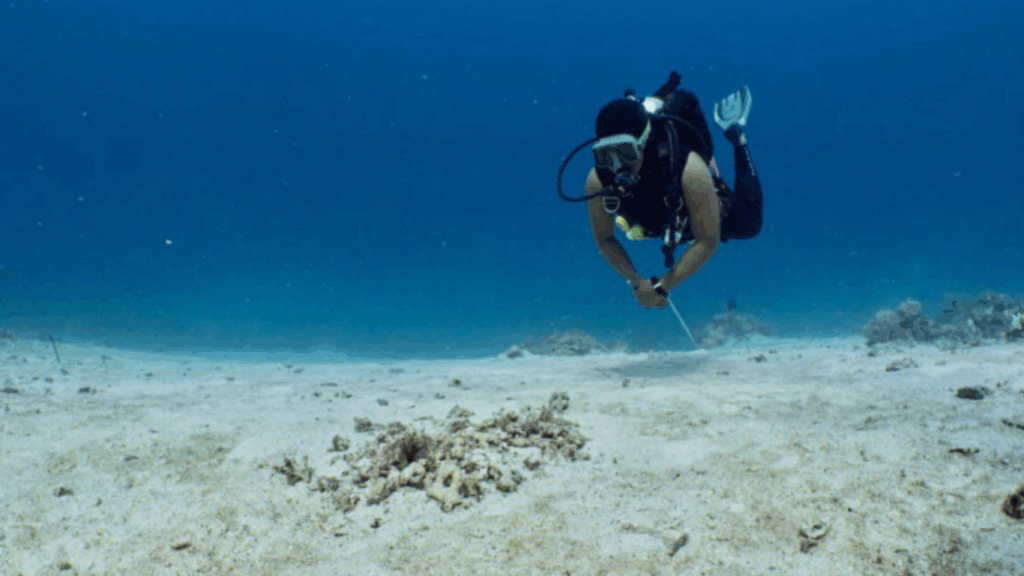
Ready to master and fully understand buoyancy?
Hi, my name is Afat. I was born and raised on Mabul Island, and I’ve worked with Scuba Junkie for over 11 years—first as a Divemaster and now as a PADI Instructor.
In that time, I’ve guided hundreds of divers, from brand-new Open Water students to advanced underwater photographers. One of the most common challenges I see—no matter your experience level—is learning how to master and fully understand buoyancy.
So I’m sharing my personal tips, based on years of real dives and teaching right here in the heart of the Coral Triangle.
When we talk about how to master and fully understand buoyancy, it always comes back to breathing. Your lungs are like a second buoyancy control device (BCD)—they help you rise or sink with just a few calm, focused breaths.
🎯 My tip:
Relaxed, deep breathing is a vital element to a good buoyancy control. Before doing anything else, check how you breathe. You should be breathing slowly using your diaphragm to ensure full exchange of oxygen within your lungs. This will also make you more relaxed during your dive.
🚫 And remember—never hold your breath!
This rhythm will help you feel more in control, more stable, and much more relaxed during every dive.
I always remind my students: diving isn’t about swimming fast or moving a lot—it’s about slowing down.
If you’re tense, or if you’re taking huge gulps of air, your buoyancy becomes harder to manage. Let the ocean do the work.
💡 Relaxation tip:
Imagine you’re lying in a hammock. Keep your body still, your breathing soft, and your movements minimal. You’ll conserve air, reduce weight shifting, and enjoy the dive more.
Your fin kicks can make or break your underwater balance. If you kick too hard or in the wrong direction, you’ll find yourself rising, sinking, or stirring up sand.
✅ Try these:
Practicing different styles helps you maintain neutral trim and reduce the need to adjust your BCD constantly.
One of the easiest ways to improve your buoyancy? Just watch and copy your dive guide.
At Scuba Junkie, we guide in small groups—and we always aim for calm, efficient movement. Observe how your instructor or Divemaster:
Try mirroring their posture and rhythm on your next dive—you’ll be surprised how quickly your control improves.
As you improve your breathing and learn to master buoyancy, something wonderful happens: you’ll need fewer weights.
Too much lead makes you overcompensate with air in your BCD. Less weight means:
Your body should feel light and balanced—not like you’re fighting gravity. Check with your instructor to re-evaluate your weight next time you dive.
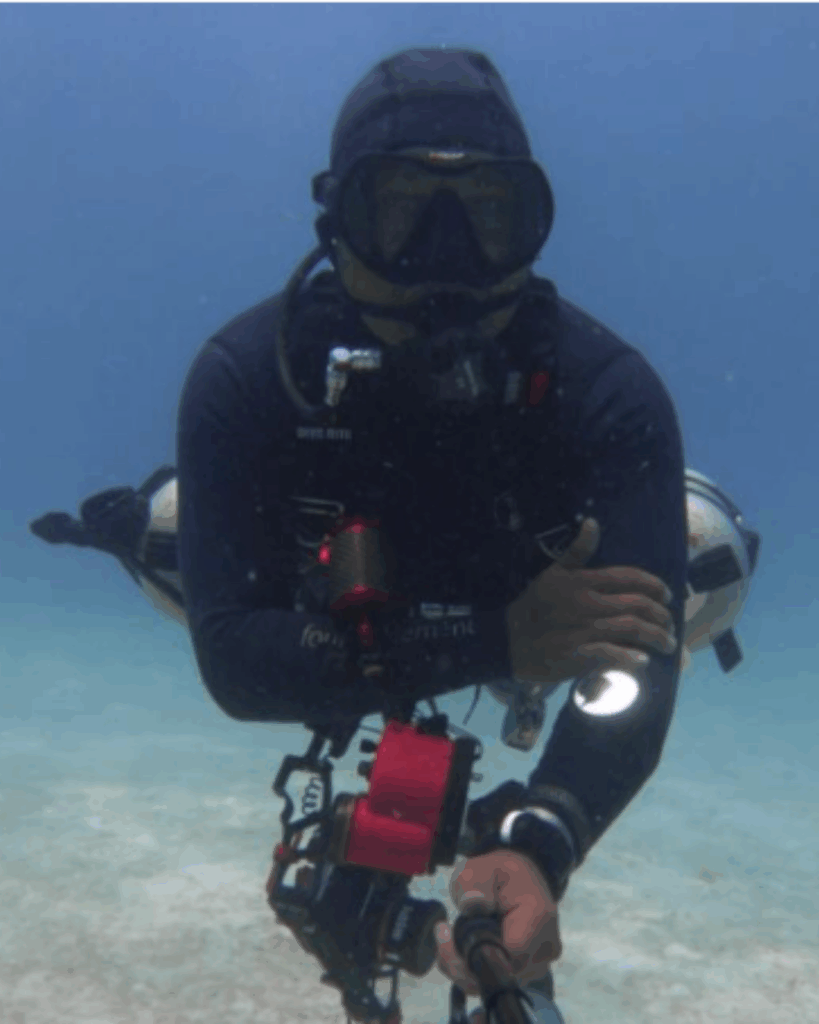
There’s a moment in every diver’s journey when it clicks—you’re no longer thinking about floating or sinking, you’re just… there. Gliding. Effortlessly.
That’s the reward for learning to master and fully understand buoyancy. It’s the key to safer, longer, more enjoyable dives—and it opens the door to advanced skills like photography, wreck diving, and perfect hovering with a camera.
Thanks for reading! If you’ve got a favorite buoyancy tip—or a challenge you’ve faced—drop a comment below! I’d love to hear your story.
Until then…
Happy bubbles from Mabul! – Afat





Hey Afat, it’s Boyuan here! Thanks for the amazing tips. Still working on mastering my buoyancy and kicks.
One quick question on the “sliced flutter kick” you mentioned, which I couldn’t find much information about on google. Is it sometimes referred to as the “scissor kick”? This is how I picture it:
1. Begin with a frog-kick-like position with legs apart and knees bent.
2. Straighten the legs and bring the feets together in a diagonal, slicing motion
3. Finish with the fins aligned and overlapping.
4. Glide for a moment before starting the next kick.
Is that about right? Would appreciate it if you could correct me. Thanks!
Hi there! Yes, that is exactly how it is!
Foarte interesant articolul! Mulțumim pentru informații.
Thanks for reading 🙂