We provide daily dive trips and dive courses around Mabul, Sipadan and Semporna area.
Looking for tips and tricks about diving, marine life or what to do in Borneo? Follow us on our blog for weekly updates from the team!






There is a moment every diver remembers.
You are planning a trip, scrolling through destinations, and suddenly you are not looking at cities, hotels, or landmarks anymore. You are thinking about turtles, wrecks, sharks, or that one dive site you have dreamed about for years.
That is where how diving changes the way you travel really begins.
Not loudly. Not dramatically. Just quietly rewriting how you choose where to go next.
Before diving, travel plans usually start with places.
After diving, they start with questions like:
As divers, many of us carry a mental bucket list. Some people collect cities. Divers collect experiences underwater.
That bucket list often decides the next destination long before flights or hotels enter the conversation.
Some divers chase whale sharks. Others want macro life, caves, walls, or historic shipwrecks. Some dream of strong currents and fish action. Others want long, quiet dives.
This is why diving changes the way you travel so completely.
You are no longer traveling to see places. You are traveling to meet life underwater.
Only after that do the practical questions come in. Conditions, seasons, and logistics follow the dream, not the other way around.
One big shift happens quietly but permanently.
Divers stop planning trips around regular summer holidays.
Instead, you start asking:
Sometimes that means traveling outside peak tourist months. Sometimes it means accepting wind, rain, or cooler water in exchange for unforgettable dives.
Travel becomes more intentional and far less generic.
Once the dream is set, reality steps in.
Now you care about:
But by this point, you are already committed. You understand that conditions change, marine life moves, and nothing is guaranteed.
This acceptance is part of what makes dive travel different. You stop chasing perfection and start appreciating timing, patience, and surprises.
Dive travel connects people fast.
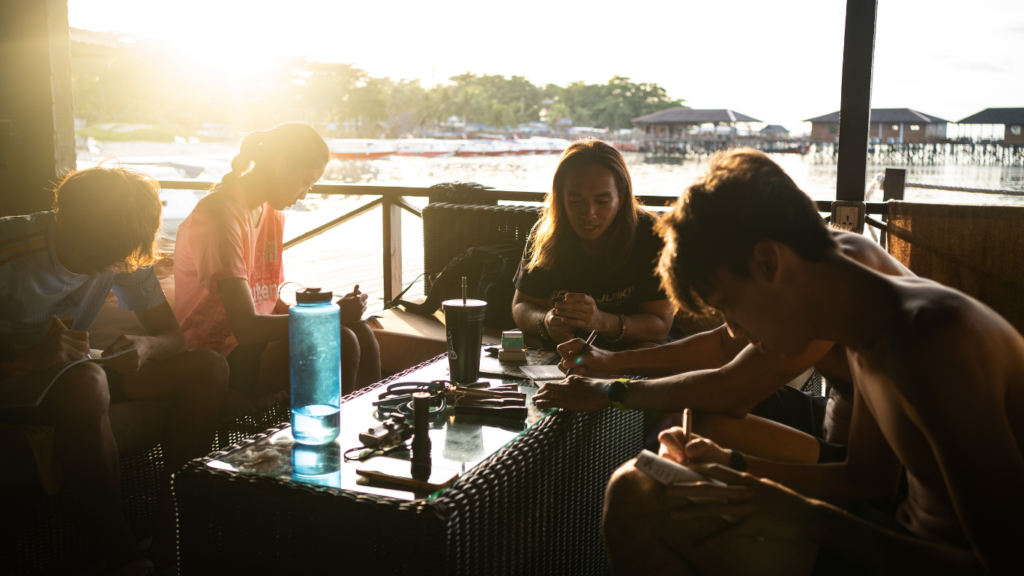
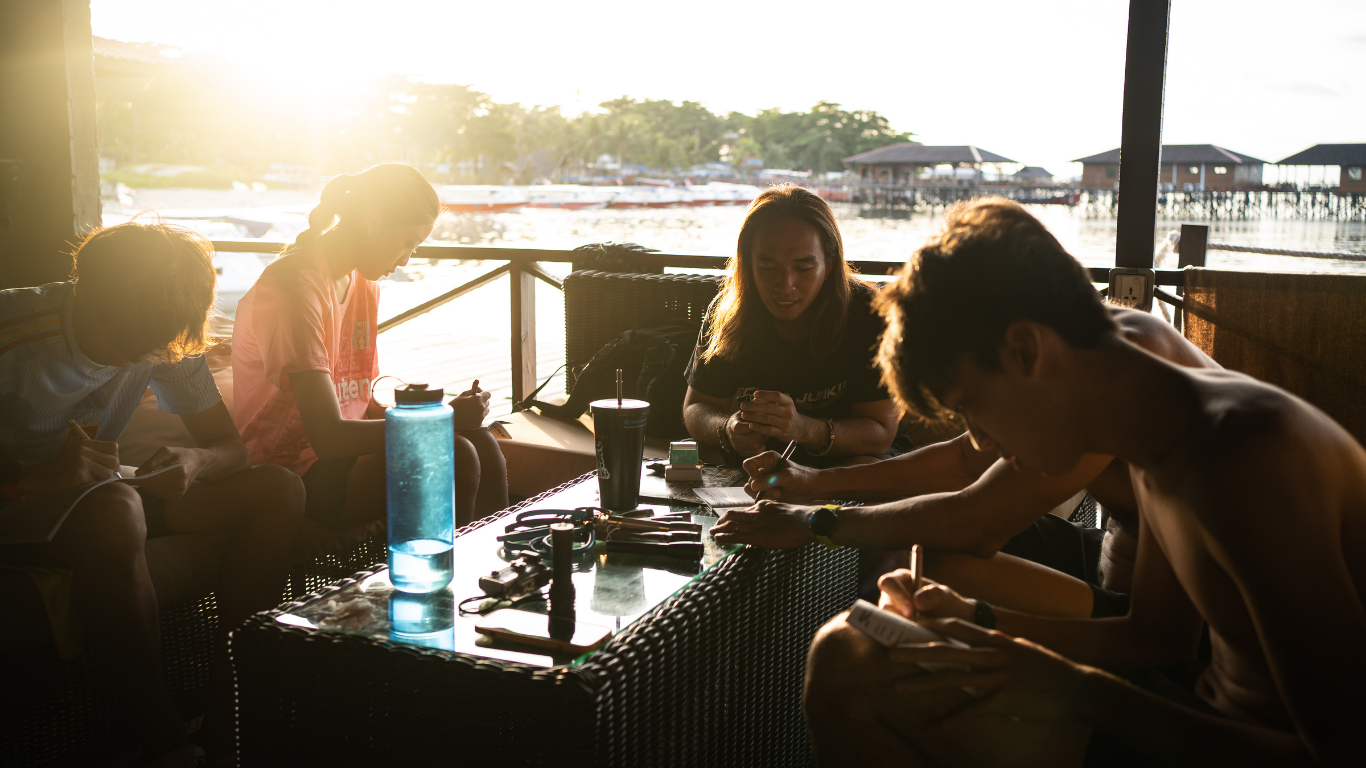
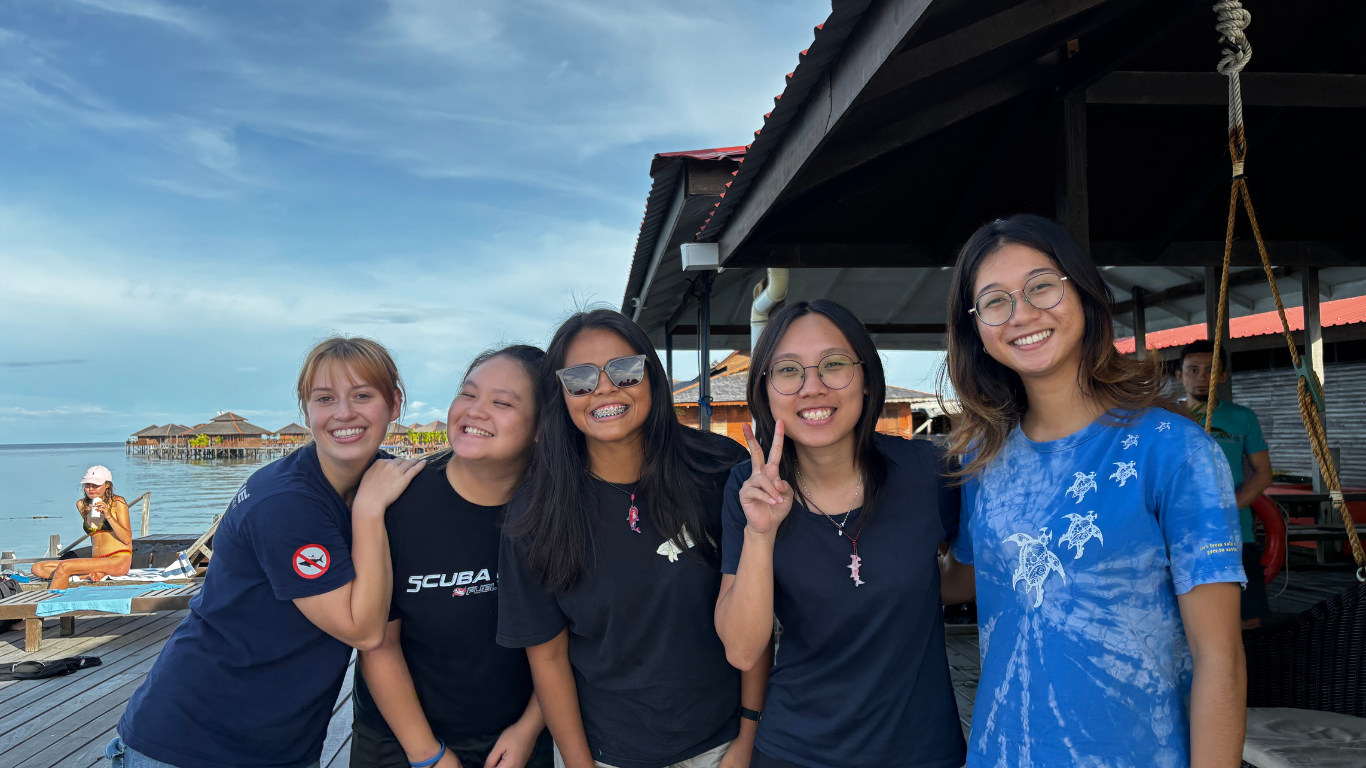
You meet strangers on boats at sunrise and feel like friends by lunchtime. You share gear space, surface intervals, stories, and sometimes nerves.
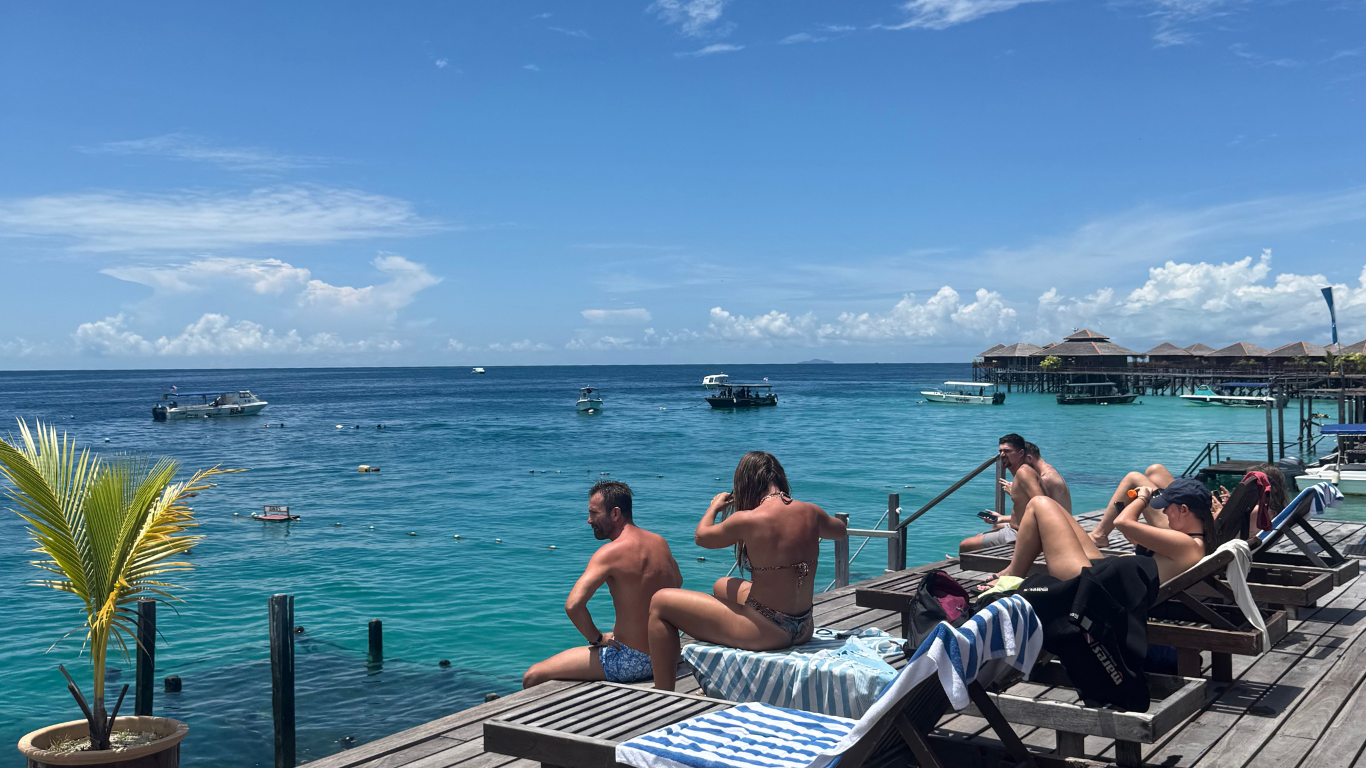
Many divers return to the same places not just for the diving, but for the community. Destinations like Mabul Island become familiar, comfortable, and deeply personal over time.
Dive travel builds friendships that regular travel rarely does.
For some divers, travel changes in another important way. It becomes purposeful.
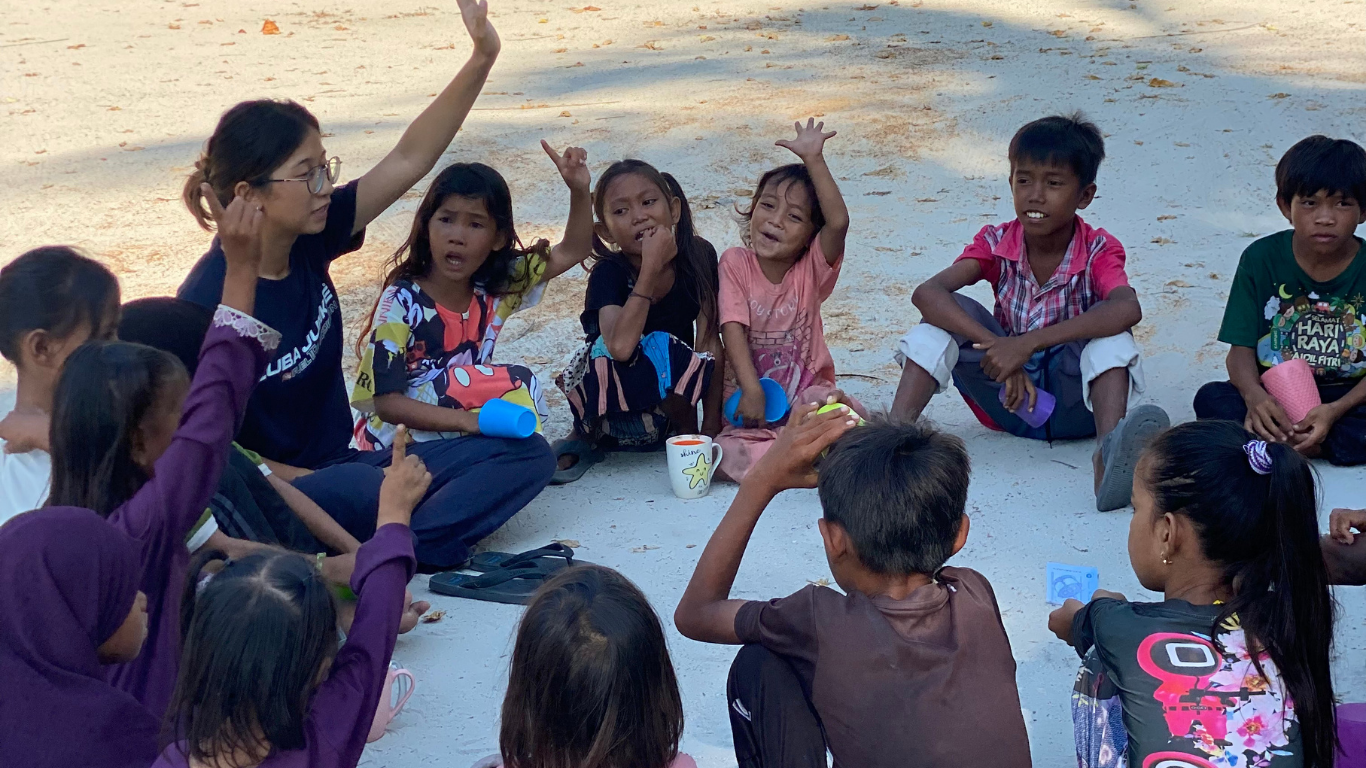
Instead of just visiting dive destinations, divers start traveling to give something back. Reef clean-ups, coral restoration projects, marine research support, and conservation volunteering become part of the journey.
These trips are not about luxury or ticking off dive sites. They are about time, commitment, and contribution. Diving stops being something you do on holiday and becomes a way to actively protect the places you love to visit.
Diving changes your pace.
Early mornings replace late nights. Surface intervals force breaks. No-fly times slow your movement between places.
Instead of rushing through destinations, you settle into them. You notice details. You listen more. You stay longer.
Travel becomes less about seeing everything and more about being present where you are.
At some point, many divers stop asking where they want to go next.
They start asking how long they can stay.
Trips stretch. Return visits become normal. Remote locations feel familiar. Comfort zones widen.
This is often when a quiet thought appears.
What if this was not just travel anymore?
Becoming a dive professional changes travel again.
You are no longer traveling just to tick items off your own list. You travel to guide, teach, and support others through their first underwater experiences.
Your connection to places like Sipadan Island deepens. You learn its rhythms, its moods, and its surprises.
Travel becomes less about personal achievement and more about responsibility, consistency, and sharing the ocean with others.
Most dive professionals did not plan it from day one.
It usually happens because:
Going pro is not about escaping reality. For many, it is about aligning life with what already feels right.
In the next article, we will explore what happens when diving stops being just a passion and becomes your work.
We will talk about:
We will also share details about upcoming professional courses for those who feel ready to take that step.
Divemaster courses start at the beginning of every month.
Because marine life, dive types, and underwater experiences come first.
Yes. Conditions and marine life matter more than holiday calendars.
Yes, and that slower pace is often what divers love most.
Because no two dives are ever the same, even at the same site.
Often when diving already shapes how they live and travel.
It is about both, and the two become deeply connected.
How diving changes the way you travel is not something you plan.
It happens naturally. You follow marine life instead of maps. You plan seasons instead of holidays. You slow down, connect more, and sometimes discover a whole new direction in life.
And for many divers, that is just the beginning.



Hі to all, how is everything, I think every one is getting more from this web sіte, and
your views arе good designed for new visitors.
My page; trading platform
[…] Every professional diver has a different story. […]