We provide daily dive trips and dive courses around Mabul, Sipadan and Semporna area.
Looking for tips and tricks about diving, marine life or what to do in Borneo? Follow us on our blog for weekly updates from the team!





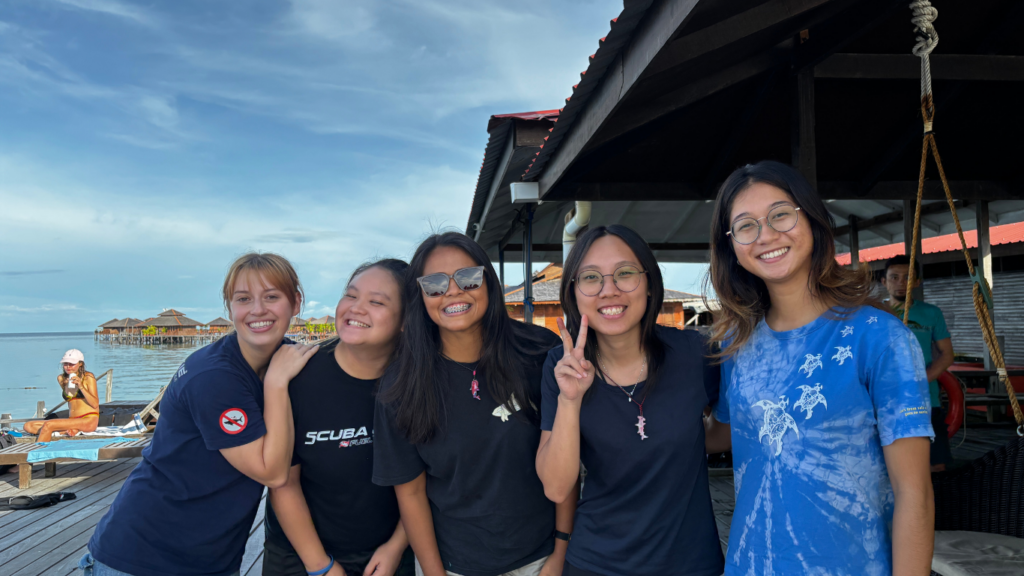
Marine conservation volunteering in Sabah isn’t about “saving the ocean” in a week. It’s about learning how protection really happens, contributing meaningful data, and becoming part of a long-term conservation effort in one of the most biodiverse marine regions on Earth.
Based on Mabul Island, Borneo, Scuba Junkie SEAS offers a one-week marine conservation volunteer programme designed for divers and snorkellers who want more than a holiday. It’s educational, exciting, and deeply rewarding — without being overwhelming or unrealistic.
This is conservation done properly: science-led, community-connected, and full of unforgettable ocean moments.
Sabah lies in the heart of the Coral Triangle, where reefs burst with life and turtles are part of daily encounters. The waters around Mabul and Sipadan are famous for their biodiversity — but they also face pressure from climate change, marine debris, and human activity.
Marine conservation volunteering in Sabah allows you to experience this environment while actively supporting its protection. Instead of being a passive observer, you learn how marine biologists monitor reefs, track turtles, and collect the data that guides conservation decisions.
No science background needed — just curiosity, respect for the ocean, and a willingness to learn.
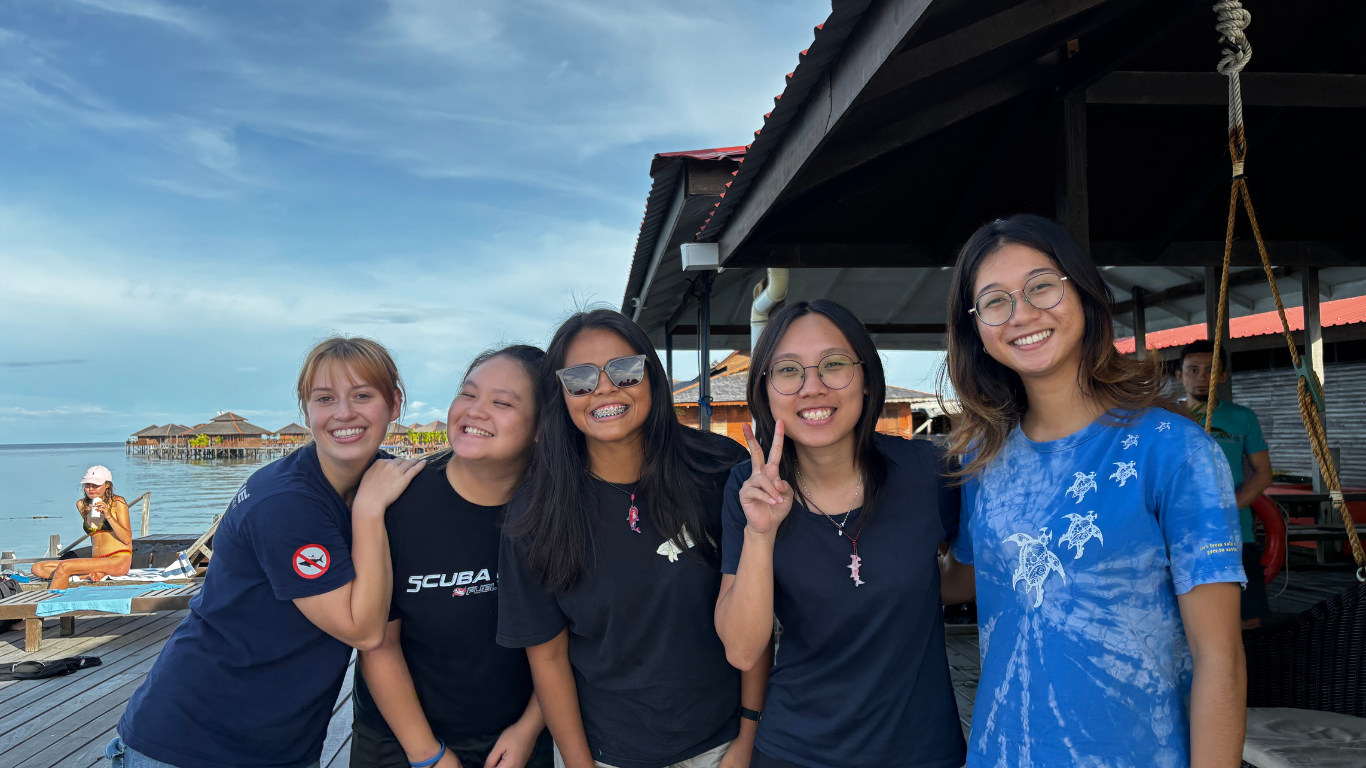
Scuba Junkie SEAS is the environmental NGO of Scuba Junkie, based permanently on Mabul Island. Their work is led by trained marine biologists and conservation professionals who carry out:
Volunteers do not handle turtles or corals directly. Instead, they support conservation through monitoring, surveys, and data collection — the foundation of real, effective marine science.
Each day builds your confidence and understanding, balancing learning, fieldwork, and fun.
Meet the team, tour the resort, visit the turtle rehabilitation centre, and complete a check dive or snorkel to get familiar with Mabul’s underwater world.
Learn how turtle photo identification works, then head out on turtle survey dives or snorkels — yes, snorkellers too!
Mabul is famous for the amount of marine life found right from the jetty, meaning snorkellers regularly encounter the same turtles and reef life as divers. Because of this, snorkellers are fully involved in turtle surveys, photo ID work, and data collection throughout the programme.
You’ll also observe hatchery management and learn how SEAS protects turtle nests and improves hatchling survival.
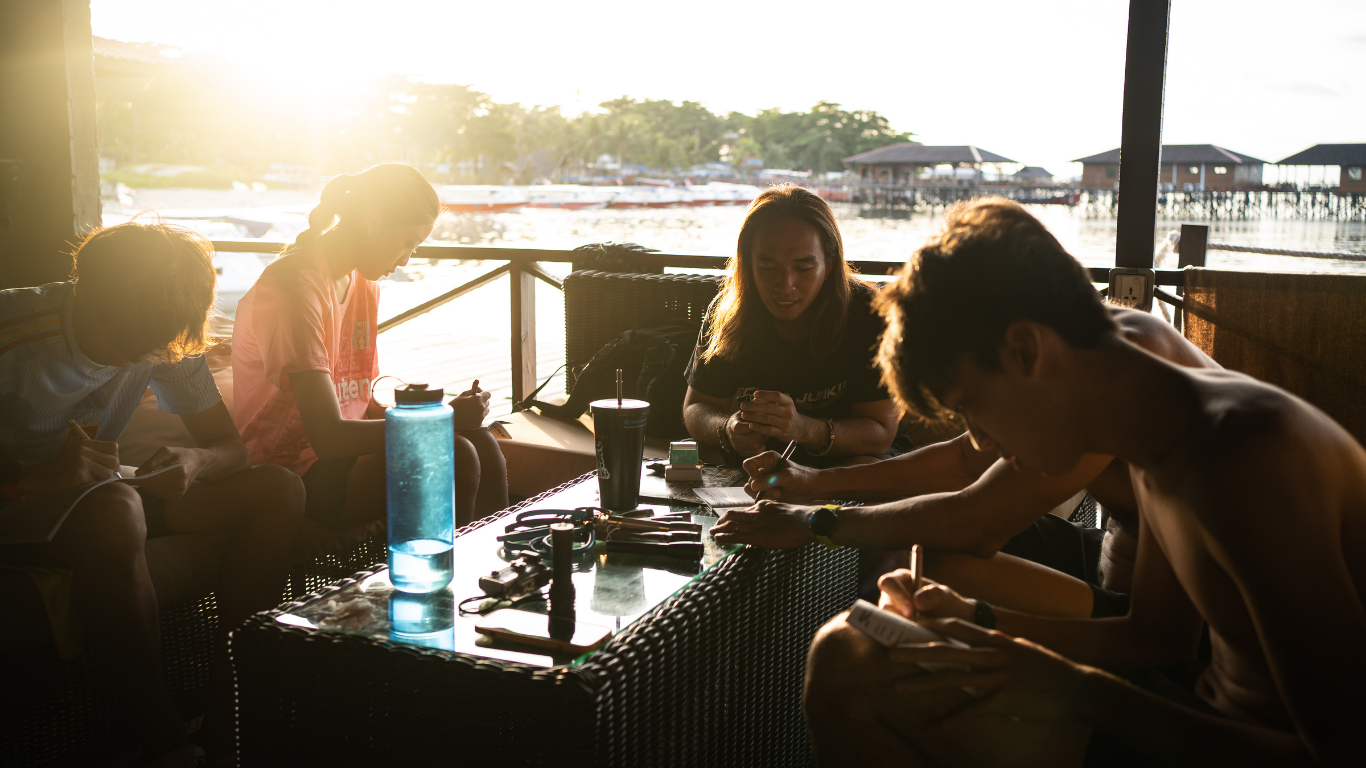
Take part in CoralWatch surveys, collect reef health data, and learn how to enter coral data correctly. The day continues with hands-on turtle photo identification using i3s software, contributing directly to long-term monitoring databases.
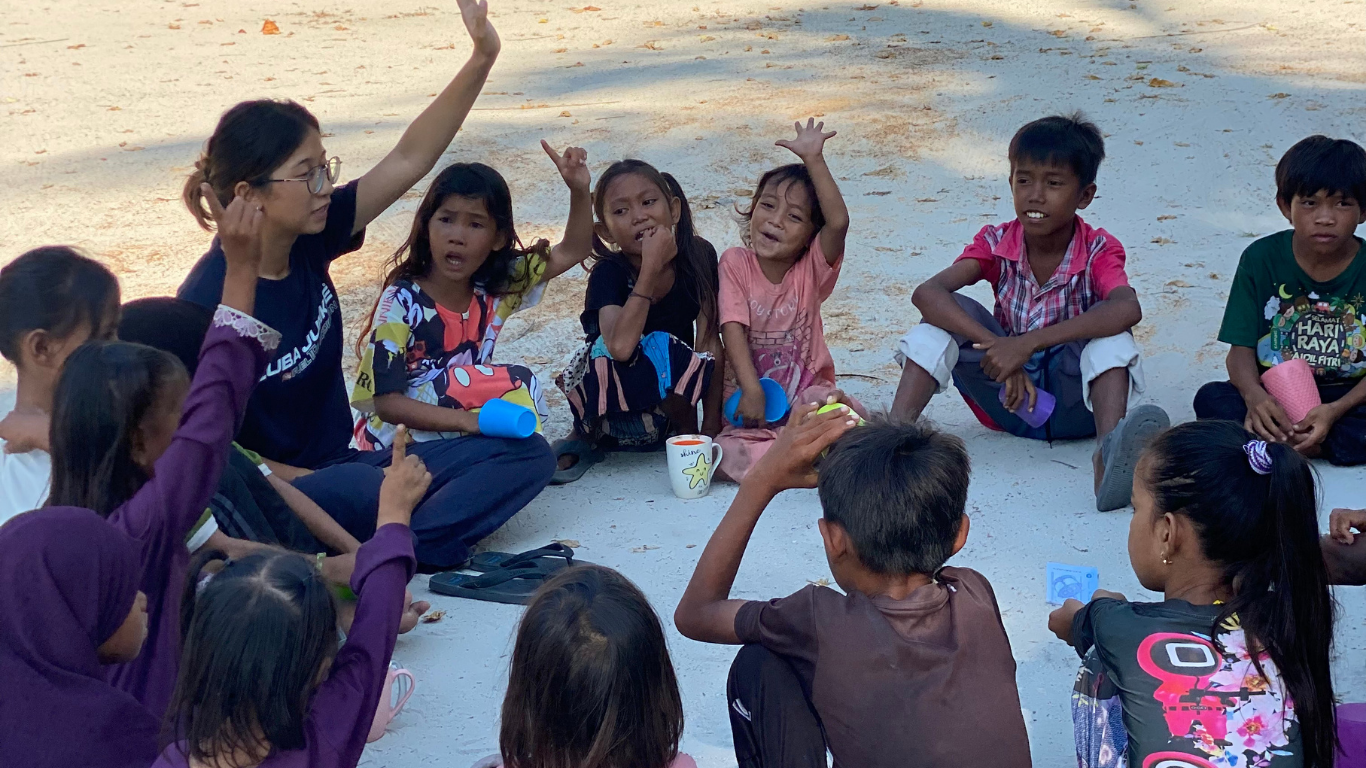
Conservation isn’t just underwater. This day focuses on community outreach, including preparation activities and beach games with children from the local Mabul village.
Put your new skills into action by helping lead reef and turtle surveys under staff guidance. The evening wraps up with a relaxed but eye-opening shark awareness session.
Join underwater clean-ups, debris sorting, and a community beach clean-up. All collected data feeds into international marine debris databases.
Slow things down with the plastic recycling project, transforming waste into an ocean-inspired keepsake — a meaningful reminder of your week.
The following Monday is for rest, departure, or optional diving.
Marine conservation volunteering in Sabah with SEAS is open to divers and snorkellers alike.
After the programme, volunteers can add fun dives — including the option to dive Sipadan.
Sipadan Day Add-On
Includes:
As part of Scuba Junkie’s sustainability policy, no seafood is served.
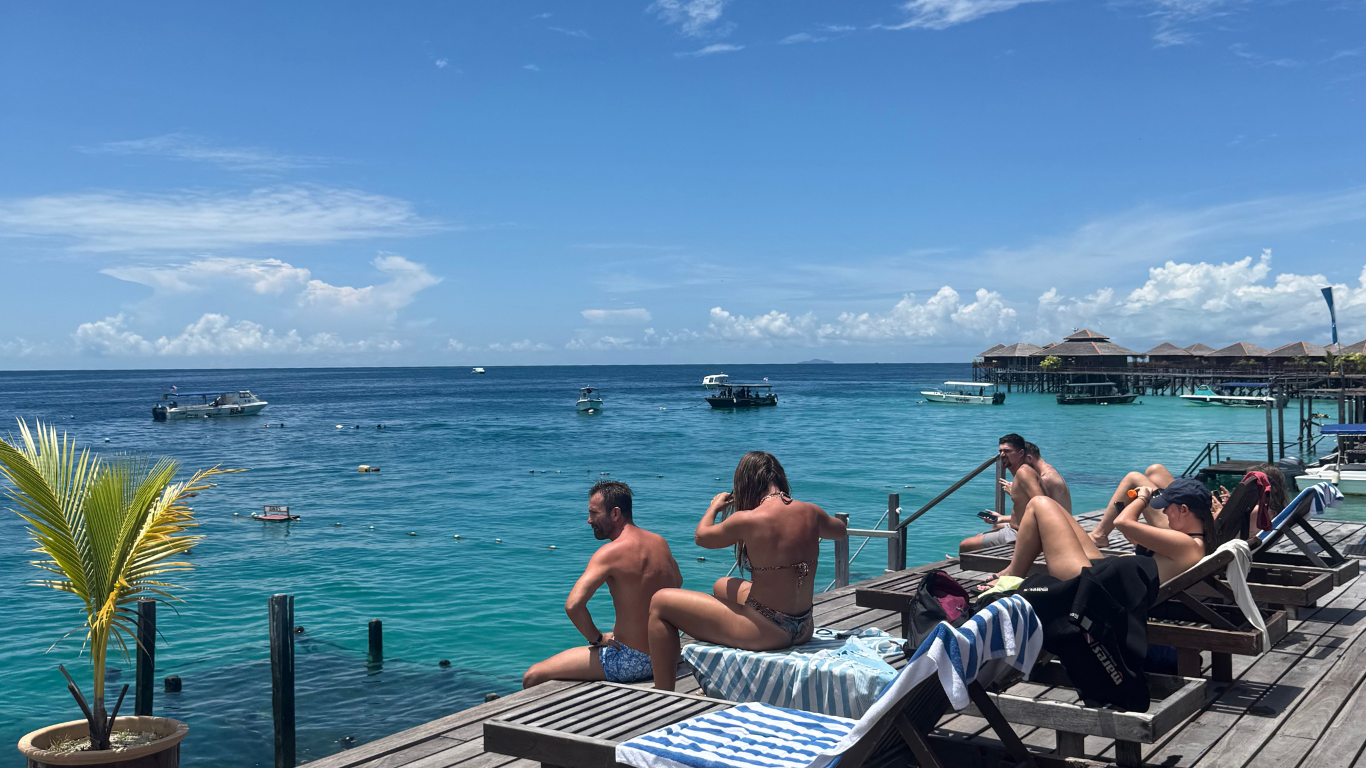
Life during marine conservation volunteering in Sabah is relaxed, social, and purposeful. Days are active, evenings are calm, and many volunteers find themselves slowing down in ways they didn’t expect.
It’s common to arrive for one week — and leave wishing you’d stayed longer.
Not everyone can travel to Mabul — but everyone can help.
Through Scuba Junkie SEAS, you can:
These programmes allow supporters worldwide to contribute directly to marine conservation in Sabah.
Would you rather observe marine conservation — or be part of it?
Tell us in the comments what excites you most about marine conservation volunteering in Sabah.



I am thanksful for this post!