

For many divers, going pro does not start with a big decision.
It starts quietly.
You plan trips around diving.
You stay longer than expected.
You feel more comfortable on a dive boat than almost anywhere else.
And then, one day, a simple thought appears.
What if this was more than just a holiday thing?
What if I could keep doing what I love, learn more, and share it with others?
That is often how going pro as a scuba diver begins. Not as an escape, but as a natural extension of a lifestyle that already feels right.
Every professional diver has a different story.
Some people fall in love with diving immediately. They finish their Open Water course and know they want more. They continue straight through Advanced, Rescue, Divemaster, and eventually Instructor, because each step feels exciting and rewarding.
Others take more time. They dive, travel, return to everyday routines, and slowly realise that what they miss most is being underwater. The ocean keeps calling them back, until one day they decide to listen.
Both journeys are common. Both are valid.
What matters is not how fast you move, but that diving continues to play a central role in how you live and travel.
Going pro does not mean diving all day like you are on vacation forever.
But it also does not mean the fun disappears.
As a PADI professional, your focus shifts. You start paying attention to people, not just dive profiles. You notice who feels nervous, who needs support, and who is about to have one of the best days of their life underwater.
Responsibility grows, but so does satisfaction.
Helping someone relax, learn, and enjoy diving often becomes just as rewarding as your own best dive. The scuba diving world is built on this exchange of knowledge, passion, and shared stories, both underwater and back on the boat.
Divemaster is the first professional level in the PADI system.
This is where you move from being a recreational diver to becoming part of the dive operation.
During Divemaster training, you learn:
It is hands-on, social, and immersive. You are no longer just diving for yourself. You are learning how to take care of others underwater.
At Scuba Junkie Mabul, Divemaster training means working with multiple PADI instructors, not just one.
Each instructor has a different teaching style, way of briefing, and approach to problem-solving. Observing these differences allows you to learn broadly, reflect, and eventually develop your own style as a professional.
This variety is essential. It prepares you for real-world diving, where flexibility and adaptability matter more than memorising one way of doing things.
Divemaster courses start at the beginning of every month, but the learning continues every day through real experience.
It is important to clarify that professional training dives are not conducted at Sipadan.
All Divemaster and Instructor training dives take place around Mabul Island and Kapalai. These locations provide ideal conditions for skill development, teaching practice, and controlled progression.
Sipadan Island is reserved exclusively for certified divers. Training focuses on building strong foundations before divers progress to more demanding dive environments.
Once you go pro, travel slows down again.
You stop moving quickly from place to place. You stay longer, learn the reefs properly, and understand how conditions and marine life change over time.
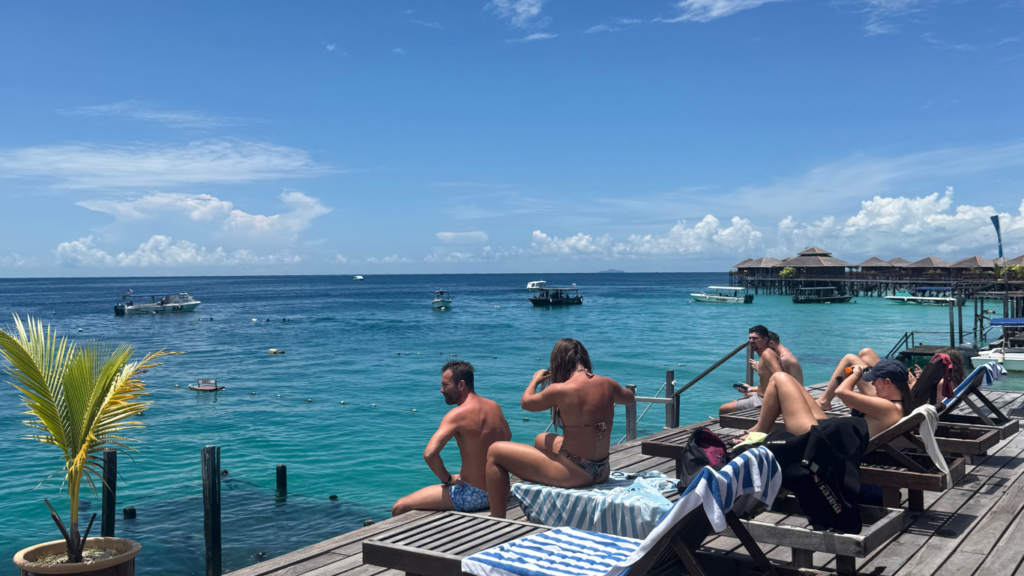
Living and training in places like Mabul means your daily routine looks like someone else’s dream holiday. You are no longer visiting dive destinations. You are living in them.
This shift is one of the biggest changes professional diving brings.
For many professionals, the next step after Divemaster is becoming a PADI Open Water Scuba Instructor.
This is where guiding turns into teaching.
Instructor training focuses on:
Teaching new divers, especially during their first experiences underwater, is challenging, rewarding, and often a lot of fun. Watching someone grow over a few days of training never really gets old.
After becoming an instructor, some professionals choose to continue their development through the Staff Instructor course.
This level focuses on leadership and mentorship rather than entry-level teaching. Staff Instructors assist with Instructor Development Courses, support instructor candidates, and help evaluate teaching presentations and skills.
It is an ideal step for those who enjoy coaching, sharing experience, and playing a deeper role in professional-level training.
After completing Divemaster training or the Instructor course, we offer internships for newly certified PADI professionals.
These internships are designed to help graduates gain confidence and real-world experience by:
It is a supportive transition from training to working as a dive professional.
Becoming a PADI professional does not always feel natural at first.
Confidence builds with practice. Teaching improves with repetition. Decision-making becomes clearer over time. This learning curve is normal and expected.
Professional diving is a skill set you develop, not something you need to master on day one.
No. You need solid fundamentals and commitment. Experience builds quickly during training.
Yes. Most professionals live and work in destinations others only visit on holiday.
No. It is social, active, and deeply rewarding.
Yes. It is the first professional level in the PADI system.
Yes. PADI certifications are globally recognised.
For many divers, yes, especially if you enjoy teaching and sharing knowledge.
Going pro as a scuba diver is rarely about escaping life.
It is about leaning into something that already shapes how you travel, where you feel at home, and what excites you. Staying longer. Learning more. Sharing experiences. Living closer to the ocean.
You do not need all the answers right away.
Sometimes, staying curious is enough to change everything.
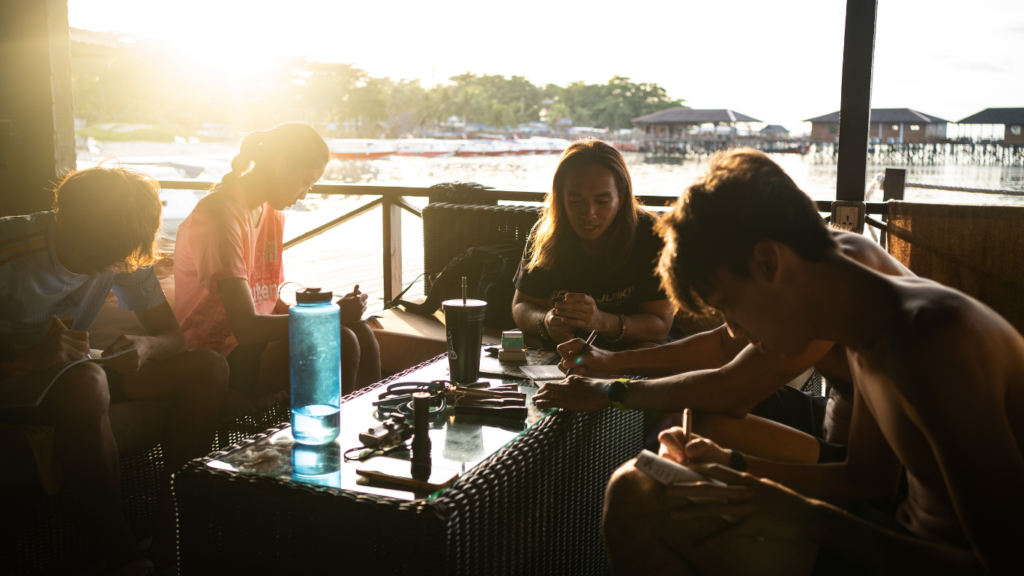
There is a moment every diver remembers.
You are planning a trip, scrolling through destinations, and suddenly you are not looking at cities, hotels, or landmarks anymore. You are thinking about turtles, wrecks, sharks, or that one dive site you have dreamed about for years.
That is where how diving changes the way you travel really begins.
Not loudly. Not dramatically. Just quietly rewriting how you choose where to go next.
Before diving, travel plans usually start with places.
After diving, they start with questions like:
As divers, many of us carry a mental bucket list. Some people collect cities. Divers collect experiences underwater.
That bucket list often decides the next destination long before flights or hotels enter the conversation.
Some divers chase whale sharks. Others want macro life, caves, walls, or historic shipwrecks. Some dream of strong currents and fish action. Others want long, quiet dives.
This is why diving changes the way you travel so completely.
You are no longer traveling to see places. You are traveling to meet life underwater.
Only after that do the practical questions come in. Conditions, seasons, and logistics follow the dream, not the other way around.
One big shift happens quietly but permanently.
Divers stop planning trips around regular summer holidays.
Instead, you start asking:
Sometimes that means traveling outside peak tourist months. Sometimes it means accepting wind, rain, or cooler water in exchange for unforgettable dives.
Travel becomes more intentional and far less generic.
Once the dream is set, reality steps in.
Now you care about:
But by this point, you are already committed. You understand that conditions change, marine life moves, and nothing is guaranteed.
This acceptance is part of what makes dive travel different. You stop chasing perfection and start appreciating timing, patience, and surprises.
Dive travel connects people fast.
You meet strangers on boats at sunrise and feel like friends by lunchtime. You share gear space, surface intervals, stories, and sometimes nerves.
Many divers return to the same places not just for the diving, but for the community. Destinations like Mabul Island become familiar, comfortable, and deeply personal over time.
Dive travel builds friendships that regular travel rarely does.
For some divers, travel changes in another important way. It becomes purposeful.
Instead of just visiting dive destinations, divers start traveling to give something back. Reef clean-ups, coral restoration projects, marine research support, and conservation volunteering become part of the journey.
These trips are not about luxury or ticking off dive sites. They are about time, commitment, and contribution. Diving stops being something you do on holiday and becomes a way to actively protect the places you love to visit.
Diving changes your pace.
Early mornings replace late nights. Surface intervals force breaks. No-fly times slow your movement between places.
Instead of rushing through destinations, you settle into them. You notice details. You listen more. You stay longer.
Travel becomes less about seeing everything and more about being present where you are.
At some point, many divers stop asking where they want to go next.
They start asking how long they can stay.
Trips stretch. Return visits become normal. Remote locations feel familiar. Comfort zones widen.
This is often when a quiet thought appears.
What if this was not just travel anymore?
Becoming a dive professional changes travel again.
You are no longer traveling just to tick items off your own list. You travel to guide, teach, and support others through their first underwater experiences.
Your connection to places like Sipadan Island deepens. You learn its rhythms, its moods, and its surprises.
Travel becomes less about personal achievement and more about responsibility, consistency, and sharing the ocean with others.
Most dive professionals did not plan it from day one.
It usually happens because:
Going pro is not about escaping reality. For many, it is about aligning life with what already feels right.
In the next article, we will explore what happens when diving stops being just a passion and becomes your work.
We will talk about:
We will also share details about upcoming professional courses for those who feel ready to take that step.
Divemaster courses start at the beginning of every month.
Because marine life, dive types, and underwater experiences come first.
Yes. Conditions and marine life matter more than holiday calendars.
Yes, and that slower pace is often what divers love most.
Because no two dives are ever the same, even at the same site.
Often when diving already shapes how they live and travel.
It is about both, and the two become deeply connected.
How diving changes the way you travel is not something you plan.
It happens naturally. You follow marine life instead of maps. You plan seasons instead of holidays. You slow down, connect more, and sometimes discover a whole new direction in life.
And for many divers, that is just the beginning.
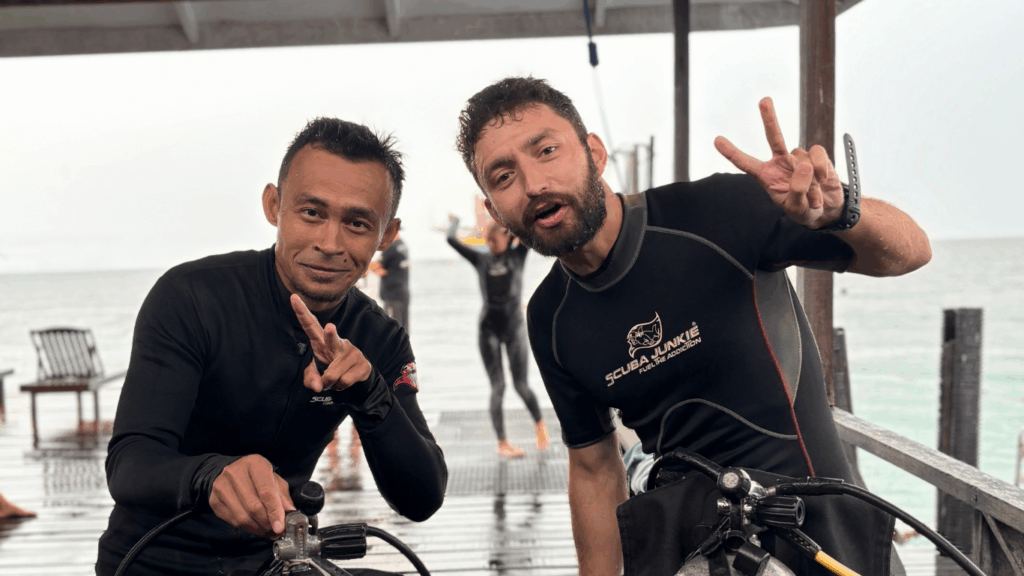
Mabul and Kapalai are beautiful. Si Amil is quiet and full of macro wonders. But Sipadan is the reason divers travel across the world to this corner of Borneo.
That dream? It’s not as easy as jumping in.
With strict regulations from Sabah Parks, diving Sipadan means meeting certain requirements—including holding your advanced open water certification.
But don’t worry—this post has everything you need to know.
🎉 And if you’re ready to book, don’t miss our Festive Flash Promo — 10% to 20% off Sipadan Packages (details at the end).
There was once a time when Sipadan was open and wild. Divers could do training dives, night dives, and even stay in a resort on the island itself. The coral walls were endless playgrounds. Four dives a day? No problem.
Then, in 2002, everything changed. Malaysia won sovereignty over the island, declared it a protected national park, and all resorts were removed. Sipadan was closed for six months while the facilities were dismantled.
By 2008, a permit system was introduced—first 120 permits per day. Later, 176. Then, in 2022, the current rules came in:
It’s still a dream—just one that’s now protected for future generations.
Short answer: No.
As part of Sabah Park regulations, only divers certified as Advanced Open Water (or higher) are allowed to dive Sipadan.
But that doesn’t mean you’re out of options:
Even without a diving license, you can experience the magic. Shallow reefs are home to schooling jackfish, bumphead parrotfish, and turtles the size of bathtubs.
If you’re an Open Water diver ready for more, we’ve got your back. Our combo packages allow you to take your Advanced Open Water course in Mabul and add Sipadan days right after!
Not certified yet? We’ve thought of that too. You can take both your Open Water and Advanced Open Water certifications back-to-back—then dive Sipadan with confidence.
We call that the ultimate dive holiday!
📌 Sipadan permits:
The Advanced Open Water (AOWC) at Scuba Junkie is 2 full days and includes 6 dives:
*Why we do this? The Peak Performance Buoyancy dive will usually be your first dive. This allows your instructor to assess your level and tailor the rest of the course to help you improve where needed.
Some of the elective options include:
Bonus: No exams! And our instructors make learning fun with challenges and games that help you master your buoyancy and trim.
📌 These rates are based on October 2025 and are for dormitory shared rooms. We offer different room categories—ask us for options!
Packages include:
✔️ Accommodation of your choice
✔️ 3 meals + snacks
✔️ 3 dives per day
✔️ Boat transfers
✔️ Equipment (including dive computer during courses)
✔️ Certification fees
📌 Note: On your Sipadan day, you’ll do 2 dives around Sipadan and 1 dive at Mabul or Kapalai.
📌 Important: Sipadan is only available as part of a package for guests staying at our resort. We do not offer day trips or standalone diving at Sipadan.
Not included:
Book your Sipadan adventure and get up to 20% OFF!
Book ANY Sipadan Package:
Not sure which course or package is right for you? Whether you’re thinking about leveling up your certification or diving for the first time, just send us a message and we’ll help you find the perfect fit.
📣 Is there anything we didn’t cover in this blog that you’d like to know more about? Let us know in the comments or drop us a DM—we’d love to hear from you!
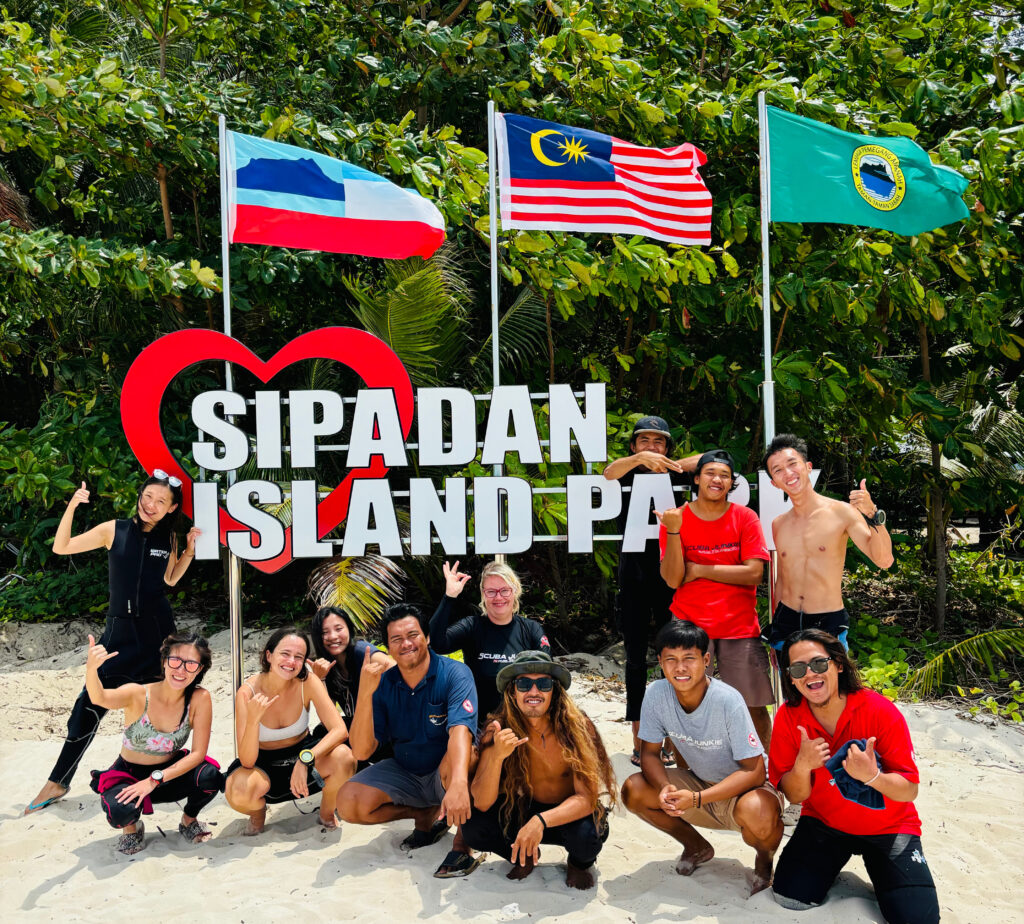
Ready to dive into one of the most breathtaking underwater experiences on the planet? Diving in Sipadan is a dream come true for many, and at Scuba Junkie, we’re here to make that dream a reality. Located just a short boat ride away from Mabul Island, our dive center is the perfect gateway to this underwater paradise. Whether you’re diving Sipadan for the first time or returning for another unforgettable experience, our passionate team will ensure your Sipadan adventure is one you’ll never forget.
Sipadan is not just another dive destination; it’s a world-renowned marine sanctuary that has captured the hearts of divers for decades. And when you dive with Scuba Junkie, you’re not just a visitor—you become part of a family that shares a deep love for the ocean and its wonders.
When you think of diving in Sipadan, you’re imagining an underwater world like no other. With its vibrant coral reefs, and schools of jackfish, Sipadan offers an unparalleled diving experience.
What sets Sipadan apart from other diving locations is the sheer diversity of marine life that you can encounter on a single dive. Imagine descending into the depths and being greeted by a swirl of barracudas or gliding alongside graceful turtles as they navigate the reef.
Our dive masters and instructors are not just experts; they are passionate about the marine world. Their enthusiasm is contagious, and they’ll ensure that your first dive in Sipadan is filled with excitement and wonder. They’ll share their knowledge of the local marine life, pointing out creatures you might otherwise miss and helping you appreciate the delicate balance of this unique ecosystem.
Your adventure begins early in the morning with an energizing breakfast at our Mabul Beach Resort. We depart for Sipadan around 6 AM, and as the sun rises, you might even spot pilot whales or dolphins accompanying our boat ride—a magical start to your day! The journey from Mabul to Sipadan takes about 35 minutes to an hour, depending on sea conditions, giving you just enough time to relax and soak in the anticipation.
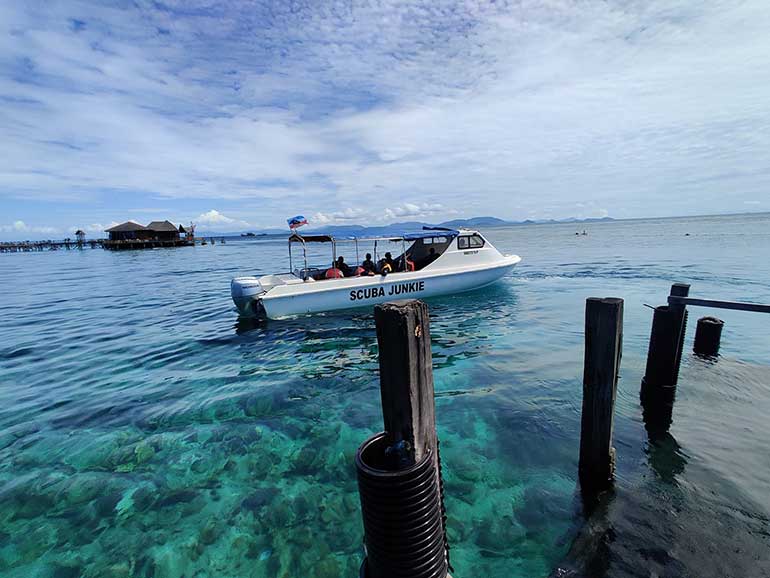
Upon arrival at Sipadan, the first stop is the Sabah Parks office for registration. Don’t forget to bring a photo of your dive certification and passport for registration—these are essential for ensuring a smooth entry to this protected marine reserve. To dive Sipadan all divers must be Advanced Open Water certified.
After the registration and briefing, it’s time for your first dive! Each dive is an opportunity to explore a different aspect of Sipadan’s underwater world, from the dramatic drop-offs to the bustling coral gardens. Our dives typically last 60 minutes, but your air consumption will determine the exact duration. Once you surface, enjoy a second breakfast on the island, where our dive guides, who are as passionate as they are knowledgeable, will walk you through a marine life book, helping you identify the species you encountered and logging your dives.
Ready for your second dive? Let’s go! Sipadan’s dive sites offer something for everyone, from the thrilling currents of Barracuda Point to the serene beauty of Coral Gardens. After the second dive, it’s time to return to the island for a well-deserved lunch. Our meals are not just about refueling; they’re a chance to bond with your fellow divers, share stories from the morning’s dives, and soak in the natural beauty of Sipadan.
If the hatchery is open, your dive guide will take you to witness the baby turtles—an experience that’s as heartwarming as it is fascinating. There’s something incredibly moving about watching these tiny creatures take their first steps toward the ocean, and it’s a reminder of the importance of marine conservation.
Your third dive of the day will be on our way back, around the stunning reefs of Mabul or Kapalai, where you’ll conclude your unforgettable Sipadan adventure. Due to Sabah Park regulations, only two dives are allowed around Sipadan per day, ensuring the preservation of its pristine environment. By the time we arrive back at Mabul, you’ll be buzzing with excitement, ready to share your stories with other guests at the resort.
Diving in Sipadan is an incredible experience, but it’s important to be prepared for the unique conditions you might encounter. The currents around Sipadan can be strong, especially at sites like Barracuda Point and South Point. While these currents bring in the large schools of fish that make Sipadan so famous, they can also be challenging for less experienced divers. That’s why Scuba Junkie requires all divers to spend at least one day diving around Mabul Island before heading to Sipadan. This helps you acclimate to the conditions, ensures you’re comfortable in the water, and allows us to assess your readiness for Sipadan’s more demanding sites.
Safety is our top priority, and our dive guides are trained to handle the varying conditions you might encounter. They’ll provide you with all the information and support you need to dive safely, whether it’s advising you on how to navigate the currents or helping you manage your buoyancy. And because we keep our dive groups small, you’ll always receive the attention you need to dive confidently.
But the rewards of diving in Sipadan far outweigh the challenges. The marine life here is simply astounding. The sheer density and diversity of marine life in Sipadan are unlike anything you’ll experience elsewhere. And with Scuba Junkie, you’ll have the guidance and support to make the most of every moment.
At Scuba Junkie, we believe in creating an experience that goes beyond just diving. When you dive with us, you become part of our family. And if you’re not yet Advanced Open Water certified, don’t worry—we offer great value packages that include the course right here around Mabul (since training dives are not allowed in Sipadan).
One of the things that set Scuba Junkie apart is our commitment to sustainability and conservation. We’re proud to be a part of the efforts to protect Sipadan’s fragile ecosystem. Our dive guides are trained not only in diving but also in marine conservation. They’ll teach you how to interact with the marine environment responsibly, ensuring that future generations of divers can enjoy Sipadan just as much as you will.
We also handle all the necessary permits for diving in Sipadan. With only 176 permits issued daily, it’s essential to book early. But when you dive with Scuba Junkie, we guarantee your permits, so you can focus on what really matters—enjoying your dives! Our team will take care of all the logistics, from securing your permit to ensuring you have the best possible diving experience.
While you won’t find manta rays in Sipadan, the marine life here is second to none.
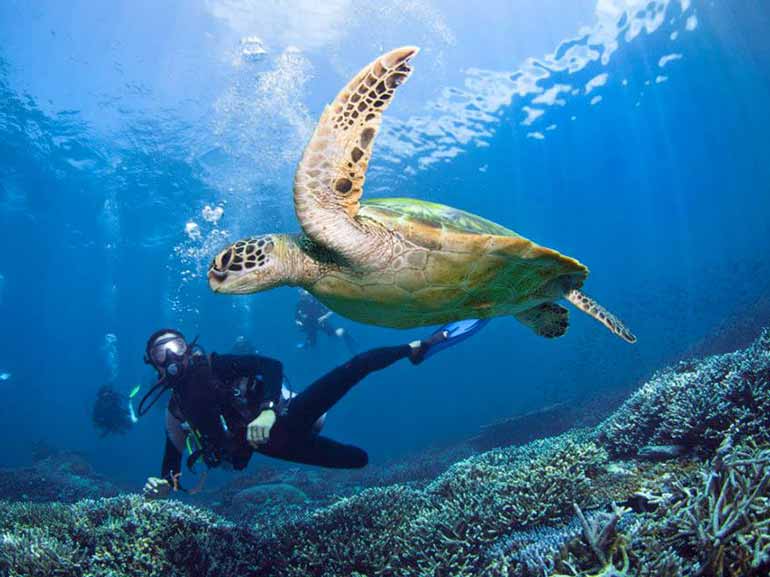
One of the highlights of diving in Sipadan is the chance to see turtles up close. Sipadan is famous for its large population of green and hawksbill turtles. These gentle giants are often seen grazing on the coral or swimming gracefully through the water. Our dive guides know where to find them and will ensure you have plenty of opportunities to observe these amazing creatures.
Barracuda Point is one of the most famous dive sites in the world, known for its swirling schools of these sleek, silver predators. It’s a sight that will take your breath away—thousands of barracudas moving as one, forming a living vortex around you.
And then there are the sharks. Sipadan is home to a variety of shark species, including grey reef sharks and white tip reef sharks. These majestic animals are an integral part of the marine ecosystem, and seeing them in their natural habitat is an experience you’ll never forget. On some lucky days, you might even spot a hammerhead shark patrolling the deeper waters.
At Scuba Junkie, we believe that diving is about more than just exploring the underwater world—it’s about creating connections, both with the ocean and with each other. When you dive with us, you’re not just another customer; you’re part of our family. We’re passionate about what we do, and we love sharing that passion with our guests.
Our resort on Mabul Island is the perfect place to unwind after a day of diving. With comfortable accommodations, delicious food, and a friendly atmosphere, it’s a home away from home. Our guests often tell us that one of the highlights of their trip is the sense of community they feel at Scuba Junkie. Whether you’re chatting with fellow divers over dinner or swapping stories with our dive guides, you’ll find that there’s a special camaraderie here.
And when it’s time to say goodbye, you’ll leave not just with memories of incredible dives, but with a sense of belonging. At Scuba Junkie, we like to say that you come as a customer and leave as part of our family. We can’t wait to welcome you to the Scuba Junkie family and show you why Sipadan is one of the best diving destinations in the world.
So, pack your bags, get your gear, and get ready for an unforgettable experience. We can’t wait to dive with you!
Borneo, the third-largest island in the world, is a paradise for adventure seekers and nature enthusiasts. It is shared by three countries: Malaysia, Indonesia, and Brunei. This island is renowned for its rich biodiversity, stunning landscapes, and vibrant cultures. Whether you’re exploring lush jungles, diving into crystal-clear waters, or wandering through bustling cities, Borneo offers a myriad of unforgettable experiences. Here are ten things you can’t miss while visiting Borneo.
Borneo is located in Southeast Asia and is divided among three countries: Malaysia (Sabah and Sarawak), Indonesia (Kalimantan), and Brunei. The island is known for its extensive rainforests, which are some of the oldest in the world, and its incredible biodiversity. Visitors to Borneo can expect to encounter unique wildlife, ancient cultures, and breathtaking natural beauty.
Kota Kinabalu, the capital of Sabah, Malaysia, is a vibrant city that serves as a gateway to Borneo’s natural wonders. The city offers a mix of modernity and tradition, with bustling markets, waterfront esplanades, and a lively food scene.
Dive Kota Kinabalu with Scuba Junkie! We provide daily dive and snorkel trips to the KK area including the world famous KK Marine Park (Tunku Abdul Rahman Marine Park) which features five amazing islands including Gaya Island and Sapi Island. The marine park is home to beautiful reefs, colourful fish, reef sharks, turtles and even whalesharks in the right season!
One of the highlights of Kota Kinabalu is the weekly quiz night at El Centro Restaurant. This popular event brings together locals and tourists for a fun-filled evening of trivia, delicious food, and great company. It’s a fantastic way to unwind and meet new people after a day of exploring the city.
Kinabalu National Park is a UNESCO World Heritage Site and home to Mount Kinabalu, the highest peak in Southeast Asia. This park is a haven for nature lovers, offering a range of activities from trekking and bird watching to exploring its diverse flora and fauna.
The climb to the summit of Mount Kinabalu is a challenging but rewarding adventure, providing breathtaking views of the surrounding landscapes. Even if you don’t make it to the top, the park’s lower trails and botanical gardens are equally impressive, showcasing the rich biodiversity of Borneo.

Located near Sandakan in Sabah, the Sepilok Orangutan Rehabilitation Centre is dedicated to the rescue and rehabilitation of orphaned and injured orangutans. Visitors can observe these incredible creatures up close as they are rehabilitated and prepared for release back into the wild.
The center offers an educational experience, highlighting the importance of conservation efforts in preserving the orangutan population. Watching the orangutans swing through the trees and interact with each other is a truly heartwarming and unforgettable experience.
The Kinabatangan River is one of Borneo’s most famous wildlife hotspots. A river cruise with River Junkie Hornbill Lodge offers an unparalleled opportunity to see a variety of wildlife, including pygmy elephants, proboscis monkeys, and an array of bird species.
The lodge provides comfortable accommodations in the heart of the jungle, allowing you to immerse yourself in the natural beauty of the area. Guided river cruises and jungle treks offer the chance to explore the diverse ecosystems and witness the incredible biodiversity of Borneo up close.
Danum Valley is one of the most pristine and untouched rainforests in Borneo. This conservation area is home to an incredible array of wildlife, including orangutans, clouded leopards, and the elusive Bornean pygmy elephant.
Visitors can stay at the Borneo Rainforest Lodge, which offers luxurious accommodations and guided tours of the surrounding jungle. Activities include canopy walks, night safaris, and jungle treks, providing ample opportunities to experience the rich biodiversity of the rainforest.
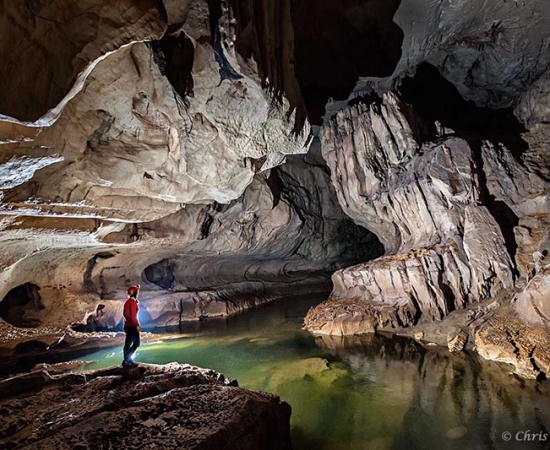
Gunung Mulu National Park in Sarawak is famous for its spectacular limestone karst formations and vast cave systems. The park is home to the world’s largest cave chamber, Sarawak Chamber, and the stunning Deer Cave, which houses a large colony of bats.
Exploring the Mulu Caves is an adventure like no other, with guided tours taking you through underground rivers, towering stalagmites, and immense caverns. The park also offers a range of other activities, including jungle trekking and canopy walks, allowing you to fully experience its natural beauty.
Kuching, the capital of Sarawak, is a charming city with a rich cultural heritage. The city is known for its well-preserved colonial architecture, vibrant street art, and bustling waterfront.
One of the highlights of Kuching is its diverse food scene, offering a mix of traditional Malay, Chinese, and indigenous cuisines. Be sure to visit the local markets and food stalls to sample dishes such as Sarawak laksa and kolo mee. Kuching is also a great base for exploring nearby attractions like Bako National Park and the Sarawak Cultural Village.
Tanjung Simpang Mengayau, also known as the Tip of Borneo, is located at the northernmost point of the island. This stunning location offers breathtaking views of the South China Sea and the Sulu Sea, as well as beautiful sandy beaches and clear turquoise waters.
Visitors can relax on the beach, take in the scenic views, and explore the nearby Rungus longhouses to learn about the local culture. The Tip of Borneo is a perfect spot for a peaceful getaway and a great place to watch the sunset.
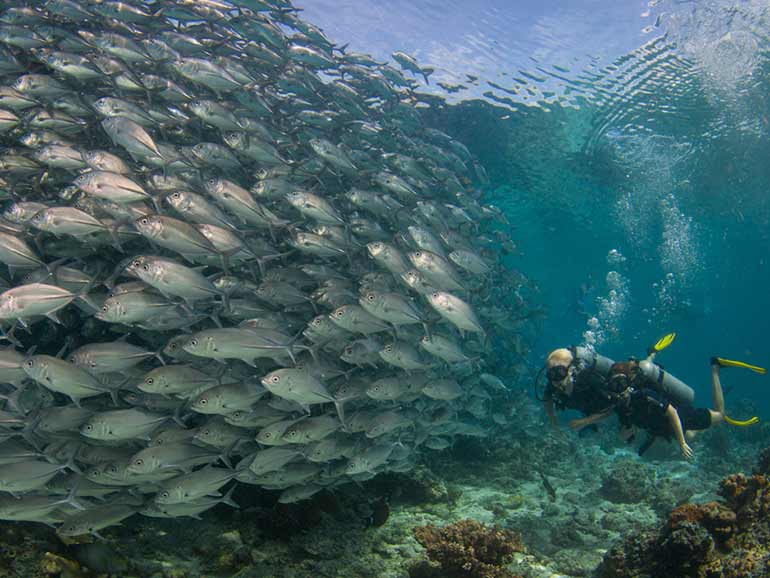
Sipadan Island is renowned as one of the best diving destinations in the world. The island’s crystal-clear waters and vibrant coral reefs are home to an incredible variety of marine life, including turtles, sharks, and colorful fish.
Diving and snorkeling in Sipadan offer an unforgettable underwater experience, with opportunities to explore dramatic drop-offs, underwater caves, and coral gardens. Due to its protected status, the number of daily visitors to Sipadan is limited, ensuring that the island’s pristine beauty is preserved.
When traveling around Borneo, it’s essential to be prepared for a diverse and unique experience. The currency used in Malaysian Borneo (Sabah and Sarawak) is the Malaysian Ringgit (MYR), while Indonesian Borneo (Kalimantan) uses the Indonesian Rupiah (IDR). Brunei uses the Brunei Dollar (BND).
Borneo is home to a mix of religions, with Islam being the predominant religion in Malaysian Borneo and Brunei, while Christianity and indigenous beliefs are more common in Sarawak and parts of Kalimantan. It’s important to respect local customs and traditions, particularly in more conservative areas.
The food in Borneo is diverse and delicious, with a mix of Malay, Chinese, and indigenous influences. Be sure to try local dishes such as nasi lemak, rendang, and various seafood delicacies.
Borneo’s culture is rich and varied, with a strong emphasis on community and tradition. Take the time to learn about and appreciate the local customs, whether it’s through visiting traditional longhouses, participating in cultural festivals, or simply interacting with the friendly locals.
Borneo is a destination that offers something for everyone, from thrilling adventures and wildlife encounters to cultural experiences and stunning natural beauty. By embracing the island’s unique offerings, you’ll leave with memories that will last a lifetime.